


Hormonal causes of low libido
Many women believe the myth that getting older means losing your desire for sex. While it’s true that women’s bodies change as we get older, low sex drive is not just “part of aging” — and an abrupt decline in your desire isn’t something you have to accept.

We would argue, in fact, that you shouldn’t just accept it, because it may be a sign that something important is out of balance in your body.
What’s happening to cause low libido?
As you enter perimenopause, your ovaries gradually decrease their production of key sex hormones — progesterone, estrogen, and testosterone. Estrogen and testosterone both have direct effects on women’s libido — in fact, researchers have been debating which one is more important for years! But there are also indirect effects that can be as important, or more important, than decreases in the absolute amount of these sex-boosting hormones.
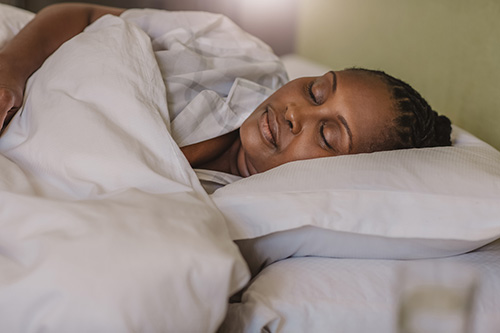
Recent research into the factors that contribute to low libido in women found reported that one key factor in low libido was vaginal dryness and thinning, leading to discomfort and pain during intercourse. Another is sleep disturbance, which is often due to symptoms such as night sweats. Both are related to the fluctuations in estrogen that accompany perimenopause. Progesterone, especially when estrogen levels are low, can also produce depression in women — another factor that tamps down on sex drive.
Adrenal glands and sex drive
But women’s bodies have a “backup plan” for maintaining hormone balance through menopause: the adrenal glands. Our adrenal glands are involved in many functions throughout the body aside from handling our response to stress — and one of these functions involves producing sex hormones. As the ovaries slow down secretion of hormones, the adrenal glands compensate by producing DHEA (dehydroepiandrosterone), a precursor to estrogen and testosterone. DHEA gives many women a “soft landing” as their front-line source of sex hormones decreases.
In some women, however, adrenal imbalance limits DHEA production so that even the secondary source of estrogen and testosterone isn’t available. If you experience high levels of stress on a regular basis, adrenal fatigue can deplete your sexual response and leave you without the drive for sex.
A healthy sex life can provide a cascade of benefits. If you want to restore your sexual desire, rest assured there are natural steps that can lead you there.
A natural path back to sexual desire
Figuring out how to restore your sex drive means determining where the problem lies. So to begin with, ask yourself which of the following symptom sets best describes you.
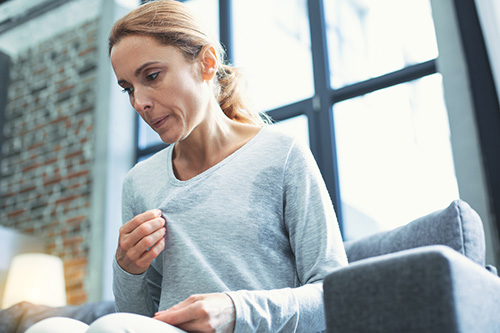
- Are fluctuating hormones causing my low libido? Levels of estrogen, progesterone, and testosterone can shift as women move through menopause, and each of these sex hormones affects our libido in different ways. Menopause symptoms like moodiness, vaginal dryness, and fatigue are known to suppress libido—not to mention hot flashes, night sweats, and insomnia.
- Am I experiencing an adrenal imbalance? The adrenal glands are responsible for producing sex hormones, especially after menopause. If you’ve been under stress for long periods — even years —there’s good chance your adrenal glands may be imbalanced, causing fatigue, mixed-up sleep patterns, cravings for caffeine, sugar, and/or salt, and weight gain around the middle.
It’s certainly possible that you have both issues happening at the same time — wild menopause hormone fluctuations coupled with inadequate adrenal response due to long-term stress. But usually, one description resonates more than the other. (If you’re not sure, supporting your adrenal balance will usually help with menopause symptoms in any case.)
Give your mind and body more support through menopause
We don’t think much about the fact that sexual desire and pleasure happen in the brain, even if the “action” is happening somewhat lower down. But it does, and that’s why restoring libido needs to address issues at both ends of the sexual spectrum: mind and body.
Barbara Carrellas, sex educator and author, says:
“The erotic impulse does go to sleep if we don’t use it, or if we’re bored. I like waking up both the erotic mind and the erotic body, and the good news is, with a little bit of an effort to become more sexual, sensual, or erotic, the body wakes up and responds.”
There are a range of options for engaging your brain — erotica, fantasizing, even dressing up (or not!). But those strategies work best in the context of whole-body wellness that helps to quiet troublesome symptoms of hormonal imbalance and stress.
We understand that sexuality is complicated and multi-faceted, and for some women, life is perfectly fine without having sex at all. But so many others miss the intimacy they once had with their partners and the positive benefits of orgasm. Navigating life without the pleasure and connection of sex can change your image of yourself, how you see your relationships, and your connection with your partner.
Regaining the active sex life you want and need is absolutely possible. Finding the cause of your low libido is the best place to begin. We’ve helped countless women suffering from hormonal and adrenal imbalances revive their passion for sex — and life.
Bring back your libido — with our Hormonal Health Program
Shifting hormones can lead to disappointing changes in libido. Our Hormonal Libido Combo provides support for your hormones through high-quality nutritional formulations, herbal hormonal support, and a deliciously satisfying eating plan that is easy to follow.
“I had NO desire whatsoever for an intimate relationship. All my friends had told me, ‘You’re not going to have any desire in perimenopause.’ So when it came back I was stunned — and so was my husband!”
Pamela, customer
To assess your symptoms, take our quiz and get personalized recommendations for your hormonal health. If you think your low libido may be connected to an adrenal imbalance, find out how to naturally support your adrenal glands.
If you have questions about our Health Programs, you can always call us toll free at 1-800-448-4919 and talk with real women here in Maine who have been in your shoes. We’re here to listen and help.