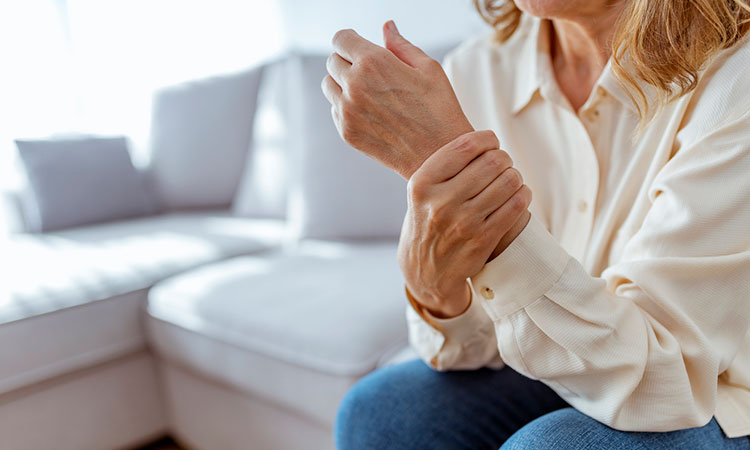


Inflammation — the key to chronic disease?
by Marcelle Pick, OB/GYN NP
It’s fascinating to watch the medical establishment discover inflammation.
In the past few years there have been studies suggesting that chronic inflammation
lies at the root of heart disease, cancer, osteoporosis, Alzheimer’s, autoimmune
diseases like rheumatoid arthritis and psoriasis, and many other immune disorders.
Many of the diseases and complaints associated with aging — including aging
skin — can also be attributed to chronic inflammation.
Inflammation is a particularly important issue for women in perimenopause and menopause.
Somehow — we’re not altogether sure how — this major hormonal
transition stokes the fire. Inflammation caused by hormonal imbalance could be a
key reason why women suffer 75% of all autoimmune disease.
At Women to Women, we’ve long recognized that inflammation plays a central
role in disease and aging, and that controlling inflammation is critical to your
health. But what’s remarkable is that conventional medicine still has no definitive
tests for, or diagnosis called chronic or systemic inflammation. There is even no
consensus in medical science about what this kind of inflammation really is or how
it undermines your health.
This simply means we’re in the middle of a medical revolution — a radical
advance in the understanding of the body and how to keep it healthy.
But there’s plenty of good news here. Although chronic inflammation may be
a relatively new idea to conventional medicine, it’s old hat in Chinese medicine.
And while it’s true that Western science hasn’t worked out every step
in the pathways to chronic inflammation, we do know a great deal about how to reduce
inflammation and promote health.
So let’s explore what we now know about chronic inflammation, its link to
disease, and what you can do in your own life to keep it under control. Here are
a few articles we’ve written for you on the many facets of inflammation.
Our most popular resources on inflammation
To access an article, just choose from the list of excerpts below. To find more
articles, use the search function below. Don’t see a topic that’s important
to you? Let us know.
-
What is chronic inflammation?
An explanation of how chronic inflammation arises, how it differs from the body’s
innate immune response to injury or invasion, and why you may want to weigh your
options before popping aspirin, Tylenol, or Advil every day.
-
Reducing inflammation — the natural
approach
Reducing inflammation is one of the simplest and most powerful ways to improve your
health and prevent many of the common complaints of aging — without drugs.
These anti-inflammatory diet and lifestyle guidelines are simple, natural, and highly
effective.
-
Joint pain or arthritis — quieting the inflammatory
noise
Whether you have mild or severe inflammation causing your joint pain or arthritis,
here are safe, simple, and effective measures that can help you diminish joint inflammation,
refurbish joint cushioning, and regain flexibility — without resorting to
harmful anti-inflammatory medications.
-
Allergies and sensitivities — causes and solutions
One of the most common conditions related to inflammation is allergies. Yet chronic
allergies and sensitivities (a subclinical allergic response) are largely ignored
by conventional medical practitioners — and even by many patients who just
learn to live with their symptoms without an explanation of where they come from.
Fortunately, you don’t have to.
- Natural flu prevention
When flu season arrives, we’re all told to get vaccinated against influenza
— but some of us can’t or won’t. Yet there are still many methods
you can use to prevent a flu infection. Learn more from Womentowomen.com
- Lessons from lupus —
what an inflammatory disease can teach us about menopause
What can we learn about managing menopause from women with lupus? You’d be
amazed — read more!
- What is lupus?
A diagnosis of the inflammatory disease lupus is most common in women. Learn about
this disease, its symptoms, and how it’s diagnosed.
- Should a woman with lupus
take birth control pills or HRT?
Practitioners are divided on whether hormone therapy and birth control pills affect
a woman’s lupus symptoms. Learn more about lupus and hormones.
- Causes of inflammation
We all face inflammatory triggers from our diet, habits, and the environment. It’s
no wonder inflammation is on the rise. But once you understand the causes of inflammation,
you’ll be better prepared to reverse it.
- The biology of inflammation — pro-inflammatory
hormones
For those interested in the biology of inflammation, we offer a brief set of definitions
for pro-inflammatory hormones.
- Effects of inflammation — symptoms, conditions
and related diseases
It’s surprising how many symptoms and conditions can arise directly from inflammation
or have an inflammatory component to their progression. This list is a veritable
alphabet soup of the potential problems associated with chronic inflammation.
- Symptoms of allergy or sensitivity
If you recognize yourself here, you’ll know it’s time to make some changes.
A comprehensive list of the symptoms of allergies and sensitivities, ranging from
mild to severe.
- Soy allergies and soy sensitivities
Just as all food proteins have allergenic potential, this is true of the soybean
as well. But of the most common food allergens, soy reactions are relatively mild
overall, compared to eggs, milk, wheat, and peanut. Check out our chart, and learn
the differences between soy sensitivity and soy allergy.
- Foods and herbs for boosting immunity
and respiratory health
Women to Women lists healthy foods and herbs that support respiratory health so
women can avoid influenza and cold symptoms.
- Vitamin D and flu prevention
Vitamin D can support your immune system to help prevent influenza and other viral
infections.
Our Personal Program is a great place to start
The Personal Program promotes natural hormonal balance with nutritional supplements, our exclusive endocrine support formula, dietary and lifestyle guidance, and optional phone consultations with our Nurse–Educators. It is a convenient, at-home version of what we recommend to all our patients at the clinic.
Original Publication Date: 04/12/2005
Last Modified:
11/13/2009
Principal Author: Marcelle Pick, OB/GYN NP