


Almost every woman experiences great sadness once in a while. But when your depressed feelings become constant or overwhelming, it’s time to take action — and there’s a lot you can do to help lift the fog of depression and reclaim your life.

Causes of depression in women
Many women don’t realize that there is a deep connection between physical and mental health — especially the hormonal changes that happen during perimenopause or menopause.
It’s always best to check with your healthcare provider to determine whether you have clinical depression, which requires medical treatment. In those cases antidepressants are often used and can be very effective. But for women who have symptoms of subclinical depression, there are many ways to alleviate feelings of depression naturally. But first, let’s identify common root causes:
- Chronic stress
- Poor gut health
- Menopause and perimenopause
- Premenstrual syndrome (PMS)
- Pregnancy and infertility
- Thyroid problems
- Illness
- Major life events
Women are about twice as likely as men to become depressed. Here is a deeper look at the top physiological reasons why.
Stress and depression
Modern women are surrounded by sources of toxic stress: a difficult workplace, demanding family life, raising aging parents, inadequate self care, the list goes on. These sources of chronic stress are often the most damaging, because they are powerful and constant.
When elevated levels of the stress hormone “cortisol” run rampant through the body all day long, other neurotransmitters and hormones like the happiness hormone “serotonin” are thrown out of balance, making depression symptoms even worse — and disrupting cognitive function, appetite, energy levels, and sleep patterns.
Symptoms of stress-induced depression can include:
- Dizziness upon standing
- Chronic pain
- Fatigue
- Brain fog or memory issues
The most popular type of depression medication, selective serotonin reuptake inhibitors (SSRI’s), such as Prozac, Paxil, Zoloft and Celexa, work by conserving the body’s inadequate supply of serotonin. By contrast, our approach is to understand why your body isn’t making enough serotonin in the first place, and then help support its production of serotonin naturally.
Gut health and depression
One of the first places to look for sources of subclinical depression symptoms? The gut. This is because 95% of the body’s serotonin supply is made by millions of gut bacteria in the GI tract. In fact, a 2011 study published in the Proceedings of the National Academy of Sciences found that mice who ingested a gut-healing probiotic strain for 28 days successfully outperformed the placebo group when presented with repeated sources of stress and mental challenges. The strength of this gut-brain connection is rooted in the fact that your gut bacteria produces the same neurochemicals — GABA, acetylcholine, melatonin, serotonin, norepinephrine and dopamine — that regulates mood and mental function in the brain.
If you experience any symptoms of gastrointestinal dysfunction — including gas, bloating, indigestion, irregular bowel movements, SIBO, IBS, Crohn’s Disease, diarrhea, among others — there’s a good chance that your gut health is in need of attention. As you heal the gut lining, you may be happily surprised to find the fog of depression begins to lift as well.
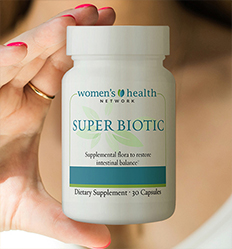
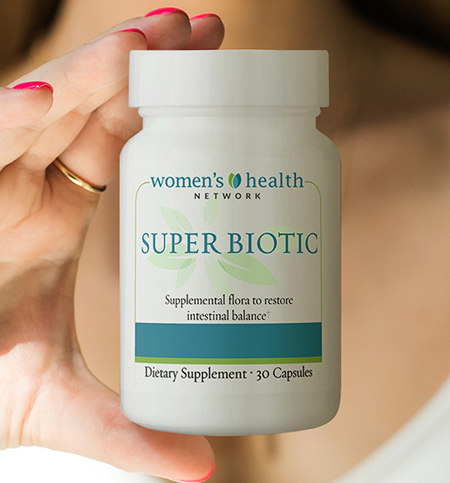
A high-quality probiotic designed to heal the gut, like the doctor-formulated Super Biotic, supplies an incredible 15 billion organisms per dose to inhibit the growth of harmful bacteria and calm specific symptoms, including bloating, gas and diarrhea, and promote improved lactose tolerance.
Perimenopause, menopause and depression
The transition into perimenopause can be a tremendous source of stress for many women, especially if you’re dealing with severe symptoms of hormonal imbalance. Many women feel disoriented and confused by what is happening to them. What’s more, the estrogen dominance that is so common in perimenopause can exacerbate symptoms of depression.
Perimenopause is also a time when many women find their true voice, which can bring old unresolved emotional issues and traumas to the surface. While this emotional healing is a necessary process, it can add to your feelings of sadness or being overwhelmed.
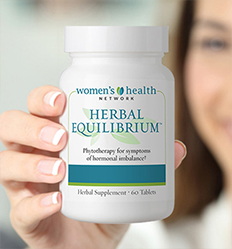
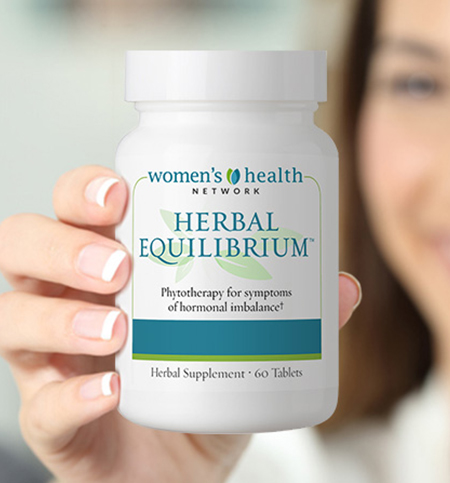
That’s why we recommend a natural, doctor-formulated approach to balancing hormones through the stages of perimenopause and menopause. Herbal Equilibrium provides the nutrients and minerals the body needs to alleviate symptoms of hormonal imbalance — like hot flashes, weight gain, mood swings, anxiety and subclinical depression — without the side effects of synthetic hormones. Learn more about Herbal Equilibrium.
A natural approach to depression
The solution for depression depends upon the severity of your symptoms. Any woman experiencing symptoms of depression should talk to her healthcare provider or a mental health professional. For women with clinical depression or mood disorders, antidepressants are often essential, at least temporarily.
But for other women — like those whose depression is a symptom of perimenopause, menopause, gut dysfunction or stressful life circumstances — a natural approach can provide relief. Many women with subclinical depression don’t realize that there are alternatives to antidepressants.
The basic approach we have found effective for subclinical depression is to give yourself more support while reducing the sources of chronic stress that burden you — and your body. This approach targets the causes of depression by encouraging the body to produce more serotonin and balance hormones and neurotransmitters naturally.