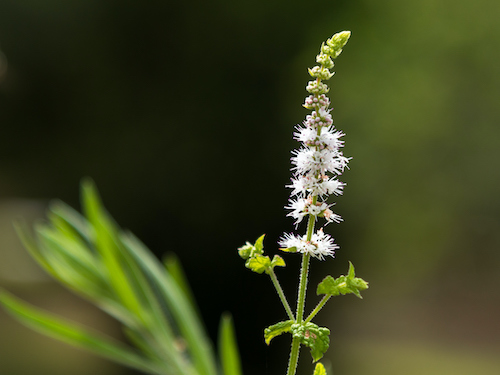



For many of us, this is the menopause we think we know or fear: insomnia, fuzzy thinking, anxiety, hot flashes, loss of libido and more. Western women apparently suffer greater menopausal symptoms than other women around the globe. We hear a lot about the biological explanations for these symptoms, which are certainly valid. But how often have we — or has anyone else — looked at the broader picture, including the social and cultural explanations for the severity of our symptoms?
It’s no secret that older American women have long been chided by a deafening chorus of “U’s” : unattractive, unhappy, useless, and so on. The message here is loud and clear, and it comes at us from all directions — television, advertising, people at work, strangers on the street, even members of our own families. It may feel like a sign that follows us everywhere we go, or like some kind of loudspeaker announcement:
Menopausal women: You have served your purpose. Now PLEASE STEP ASIDE.
Western patriarchal cultures treat older women as if they were less valuable members of society. But this is not the case in other areas around the globe, and it’s encouraging to see American women now beginning to rediscover and acknowledge what many other cultures have understood for generations: menopause can be a profoundly useful and spiritual time in our lives. Menopause can represent the transformation from the old self into the most powerful versions of ourselves ever. We have proof of this as more and more women over 50 hold their own in all public arenas, even entertainment and politics, where competition is ferocious!
Let’s consider a few alternative perspectives on menopause — including cultures where women barely experience symptoms of menopause at all — and learn to see this time not simply as the end of our menstrual periods, but as a celebratory transition into a new season of our lives.
Is there a word for hot flash in Japan?
Until recently there was no word for “hot flash” in Japanese. The Japanese language, known for its precise detail, has several words referring to flashes of heat, depending on cause and location. There’s a word for fever and sweats associated with a cold or flu, a word for soaking in a hot bath, and a word for the aftereffects of drinking too much alcohol, but until now no specific term for a menopausal hot flash. Not wishing to be left behind, the globally-oriented Japanese media has recently coined new words — hotto furasshur (hot flash) and horumon baransu (hormone balance) — for menopausal symptoms.
Japanese women today rarely ever mention “estrogen depletion,” and instead refer mostly to hormone balance. Their way of dealing with the perimenopausal transition doesn’t involve replacing estrogen or recreating menstrual periods. And while the medicalization and media attention to menopause in the last decade have increased (Japan, too, has a baby-boomer crop of women), rates of hot flashes remain considerably lower there than among white Americans or Japanese-Americans.
In fact, only about 25% of Japanese women reportedly experience hot flashes, though a review of culture and symptoms in the literature in 2005 did find slightly higher incidence among older perimenopausal women of ever having had a hot flush. Chilliness is the vasomotor symptom reported more often than hot flashes, but the most common symptom during this time for Japanese women is reportedly shoulder stiffness. However, frozen shoulders are common among middle-aged men as well.
Menopause in Japanese
Menopause in Japan, or konenki, is thought to begin in the early 40’s and last until around 60 years of age. It’s often characterized as a time when the body loses its balance, and the Japanese see the causes as both cultural and biological. Some Japanese women don’t worry about menopause much at all. This may have something to do with the breakdown of the word konenki. Literally translated, ko means “renewal and regeneration,” nen means “year” or “years,” and ki means “season” or “energy.” While translated into English as “menopause,” konenki connotes a much lengthier, gradual transition where the end of periods is just one contributing feature.
Most of us here in the West don’t regard menopause as a period of regeneration or renewal, but as something dreadful that’s eventually going to happen to us — and there’s nothing we can do about it. If we compare the Japanese term with our own, the cultural differences are obvious. Menopause comes from Greek roots: men meaning “month” and pausis meaning to “stop” or “cease,” which gives no greater meaning to this life stage than the fact that our monthly bleeding stops.
No wonder so many of us feel lost. The Western attempt to quickly “deal with the problem” comes across even in the language we use.
Menopausal symptoms and the health of Japanese women
Most research tends to point to diet as the main reason for the lack of symptoms among Japanese women. Some feel that a diet high in damaged fats and low in fiber, like the typical American diet, leads to higher estrogen levels and set us up for a larger drop when our ovaries begin to make less of it. Others feel that the high intake of phytoestrogens and isoflavones (as found in soybeans) in Asian diets lessens hormonal imbalance (see our article on soy for menopause symptoms). The answers aren’t clear.
We do know that Japanese women currently enjoy the longest life expectancy in the world, with very few chronic health problems like diabetes, high blood pressure, arthritis, or allergies. The incidence of osteoporosis in Japan is half that of North American white women, although Asian women on the whole have lower bone density. And their incidence of breast cancer is about a third of ours, despite their low birth rate and later age at first birth.
Researchers who have studied this population have not found a magic bullet, but think that the good health of Japanese women results from a combination of diet, exercise, universal public education, equal access to good healthcare, and a longstanding tradition of preventative healthcare. Genetics and cultural overlay, of course, greatly contribute as well.
Knowing that hot flashes and other symptoms are not mandatory in menopause can help us to understand that, whether through change in diet, exercise, stress management or hormonal balance, we do have a lot more control over our own menopause than we might have thought in the past.
Mayan women in menopause: good health and a positive attitude
Contrary to what many may think, the sophisticated ancient Mayan culture has not completely died out. Several pockets of Mayans in the rural regions of Guatemala and Chichimilá, in the Yucatán penisula of Mexico, have been interviewed regarding women’s health and, in particular, menopause. Scientists have been fascinated by these rural Mayan women and how they experience — or rather do not experience — what we could call traditional menopausal symptoms: hot flashes, mood swings, and insomnia.
While some women in some areas did not report, and couldn’t even remember, significant menopausal symptoms, women in other pockets did. The numbers are very small and, while Mayan life can be considered extremely progressive today, each village greatly differs from another. The statistics show that Mayan women overall go through menopause at around 44 years of age and have the same FSH blood levels as North American women. The reasons for the symptom disparities are unclear, but may reflect differences in body weight, diet or cultural taboos — among Guatemalan Mayans one does not talk freely of menstruation or menopause.
What’s more is that the women in Chichimilá, like the Japanese, seem to avoid osteoporosis. Though their estrogen levels drop at menopause, just like ours, and they experience a reduction in bone mineral density, as we do, there is no clinical evidence of an increase in bone fractures or osteoporosis.
What I find interesting is that Mayan women, regardless of experiencing symptoms or not, report that they look forward to menopause and their newfound freedom and status. For those of us who lie awake in bed at night, burning up one moment then freezing the next, or suffering bouts of depression and sadness, this optimism seems unfathomable.
Naturally, we’re all wondering what the secret is for such good health and positivity. What we do know is that a woman’s menopausal symptoms cannot be viewed in isolation, but are best considered in several contexts, including geographical, genetic, nutritional, historical and cultural. For years, Western medicine has minimized the importance of menopause by treating it strictly in the biological context when there is clearly more at play.
The Mayans have an all-natural, herb-based diet, and a slow, relatively easy pace of life, both elements which contribute heavily to fewer menopausal symptoms, and ideas we have emphasized at Women’s Health Network for years. Mayan women also acquire new status when they enter menopause: they can become spiritual leaders of their communities.
Wise women — repositors of information and wisdom
Across indigenous cultures, from the Maori in New Zealand to the Iroquois Indians, post-menopausal women are community leaders with considerable power and status. To these people, menopause itself is the transition between being a member of the community at large to becoming a spiritual elder.
A common belief among traditional shamanic cultures — for example, Mayan women and the Cree women of Canada — is that women must enter menopause to access their shamanic and healing powers. Menstrual blood has the power to create life in the womb, so when women reach the age of retaining their “wise blood,” they cross the threshold into “wise womanhood” by keeping their wise blood within. At this point they become priestesses and healers — the spiritual leaders of their communities.
Wise women have earned this leadership role because women have greater “reproductive” success if, in middle age, we cease production of new children and focus on investing in our children’s children. This in turn impacts the population and success of the entire community.
It’s no wonder the Mayans and so many other cultures around the globe place older women at the center of their societies — it’s in their best interest to survive.
The grandmother hypothesis
Here in the West, society seldom values the wisdom gained from experience — especially when that experience has to do with a woman’s body. The Japanese, like the Mayans, hold a great deal of respect for older people. For them, experience is fundamental to learning, and becoming an elder in many cultures means moving into a place of honor.
This goes directly against Sigmund Freud’s male-dominant theory of human development, which unfortunately underpins the American theory of menopause. Freud based the meaning of a woman’s life, or her power, on her ability or inability to bear children, so the post-menopausal woman’s life fundamentally has no purpose — she becomes invisible. Yet so many women around the globe — whose lives have not played out against the backdrop of Freudian theory — see post menopause as the time when they feel the most centered and vitalized ever. Unlike Freud and those of us who have inherited his cultural fall-out, it would seem strange for them to even question the post menopausal woman’s purpose.
Cultural anthropologists have developed the “grandmother hypothesis” to explain our evolutionary purpose after menopause. The idea is that when a menopausal woman lives long enough to help raise her grandchildren, the freedom she gains from childbearing outweighs any advantage gained by producing more. To paraphrase Natalie Angier in her Pulitzer Prize-winning book, Woman, grandmothers aren’t just a Hallmark sentiment, they’re vital to our gene pool! Though we may not like to admit it, most of us have called on our mothers or aunts or grandmothers at some point for assistance and advice in raising our own children.
Some go so far as to postulate that this “purpose” is one of the things that distinguish us from other female primates (aside from the opposable thumb!). We are designed for greater longevity, being the only primates with unusual post menopausal life spans. Only the rare baboon or chimp in the wild reaches the age of menopause and survives, while human women, if they survive as infants and through childbirth, have lived on average 20 additional years to contribute to the good of their communities.
A menopausal woman’s wisdom is essential for survival, and the more we recognize this truth, the more menopause will be celebrated in our culture.
Cultural messages and menopause
The absence of hot flashes and other menopausal symptoms in other cultures shows us that, in addition to diet and lifestyle considerations, there may be a relationship between what we experience physically and what we learn from our social environments. Women in Kaliai, Papua New Guinea, welcome the end of childbearing without symptoms, as do many Native Americans and subcontinental Indians. And in northern Sudan, menopause is merely another facet of growing older, bringing with it increased social power and respect. If menopause were looked at this way in the US, we would all welcome it as a time of renewal.
So how much do our own perceptions about menopause influence the way our bodies react? It makes sense that if Greek peasant women — even after having multiple children and a non-Western, non-stressful life — expect hot flashes, as they do, they will get them. And while a doctor in California may tell a woman that her loss of libido is another physical response to the “problem” of menopause and write her a prescription, a Bengali woman having the same symptom doesn’t think there’s anything wrong — to her, sexual activity during this time seems totally illogical.
In a study done in Iran, women living in rural areas experienced more negative feelings about menopause than urban women. Researchers had predicted the opposite, assuming that urban women exposed to Western, youth-oriented culture would have more negative perceptions of menopause. Instead, they found the farm women, whose importance was identified with their fertility, had more problems with menopause. I was unable to find out much about menopause in Arab or Muslim countries, but hope more research will be done to better understand these hidden women.
It may be that women in other cultures are not encouraged to express their discomfort as we are in this country, or it may be that — like we’ve said all along at Women’s Health Network — our minds have much more power over our bodies than we realize.
There is no one menopause
While we can all acknowledge that every woman, if she lives long enough, will experience an end to her periods, the symptoms, medical interventions and negative experiences of menopause are not at all universal phenomena.
In fact, the esteemed American Journal of Medicine published an article in 2005 entitled “A universal menopausal syndrome?” Guess what? They concluded that there was no evidence of such a syndrome! There were too many variables in reporting and too many worldwide clusters of different symptoms. While hot flashes were the most common symptom, they were not universally linked to other psychological or physical ones. Many other complaints such as depression, headaches, irritability and memory loss were found to be equally shared among both sexes, and others were felt to be more accurately portrayed as “aging” symptoms.
We are all different. In both Traditional Chinese Medicine and Ayurvedic medicine, the approach to menopause recognizes the individual. Similar symptom clusters (for example, hot flashes and night sweats, insomnia and anxiety) may arise in two women of entirely different constitutions for very different reasons. And both these ancient approaches, have always tailored treatment toward restoring balance to the individual, not to common symptoms.
Our attitudes shape our future
Whenever we view menopause as a “medical condition” or treat it as a disease, women perceive this period of their lives as a “sick” time; a time when they are “patients” waiting for “recovery.” Our fears and concerns about menopause vary between our cultures of origin, and those fears can influence the kind of menopause we experience.
Perhaps the greatest news for the modern woman is that, if she chooses to, she can benefit from modern medicine when needed, including natural hormonal treatments, and at the same time see menopause through the eyes of different cultures. Doing so will allow us to view our “symptoms” in a new light. Rather than dreading the symptoms of menopause, we can take things a day at a time, laugh a lot, and come to view them as an initiation into our newest and best selves.
At Women’s Health Network, we know from experience that being conscious about lowering our stress levels, taking care to exercise regularly, and eating healthy fats, adequate protein, plentiful vegetables and natural grains can take us a long way in working and playing with our menopausal symptoms. And because it is hard to get the nutrients we need from the food we eat in today’s busy world, supplementing our diets with a high-quality, pharmaceutical-grade nutritional supplement makes sense. The one we offer in our SHOP offers a simple way to make sure our bodies get what they need.
Some of us may also need additional help for a time in the form of gentle endocrine support, perhaps with bioidentical hormone replacement therapy. Our article on faqs on menopause, perimenopause and postmenopause can help provide guidance to solutions. But regardless of our personal management strategies, the discussion of menopause both within the ivory towers of science and among women over coffee will hopefully continue, and women across all cultures can learn to embrace this time of renewal and find meaning and purpose in this “change of life.”
1 Melby, M. 2007. Chilliness: A vasomotor symptom in Japan. Menopause, 14 (4), 752–759. URL (abstract): https://www.ncbi.nlm.nih.gov/sites/pubmed/17538512 (accessed 09.10.2007).
Melby, M., et al. 2005. Culture and symptom reporting at menopause. Human Reproduction Update, 11 (5), 495–512. URL (full text): https://humupd.oxfordjournals.org/cgi/content/full/11/5/495 (accessed 07.13.2007).
Melby, M. 2005. Vasomotor symptom prevalence and language of menopause in Japan. Menopause, 12 (3), 250–257. URL (abstract): https://www.ncbi.nlm.nih.gov/pubmed/15879913
2 Martin, M., et al. 1993. Menopause without symptoms: The endocrinology of menopause among rural Mayan Indians. Am. J. Obstet. Gyn., 168 (6), 1839–1843. URL (abstract): https://www.ncbi.nlm.nih.gov/pubmed/8317530 (accessed 07.13.2007).
3 Stewart, D. 2003. Menopause in highland Guatemala Mayan women. Maturitas, 44 (4), 293–297. URL (abstract): https://www.ncbi.nlm.nih.gov/pubmed/12697370 (accessed 07.13.2007).
4 Michel, J., et al. 2006. Symptoms, attitudes and treatment choices surrounding menopause among the Q&rsquoeqchi Maya of Livingston, Guatemala. Soc. Sci. Med., 63 (3), 732–742. URL: (full text): https://www.pubmedcentral.nih.gov/articlerender.fcgi?tool=pubmed&pubmedid=16580764 (accessed 01.26.2008).
5 West, M. Celebrating the change. URL: https://www.melissagaylewest.com/articles_celebrating.htm (accessed 07.13.2007).
6 Hawkes, K. 2003. Grandmothers and the evolution of human longevity. Am. J. Hum. Biol., 15 (3), 380–400. URL (abstract): https://www.ncbi.nlm.nih.gov/pubmed/12704714 (accessed 07.13.2007).
Hawkes, K., et al. 1998. Grandmothering, menopause, and the evolution of human life histories. Proc. Nat. Acad. Sci., 95, 1–4. URL (full text): https://www.pnas.org/cgi/content/full/95/3/1336 (accessed 01.26.2008).
Hawkes, K., et al. 1997. Hadza women’s time allocation, offspring provisioning, and the evolution of long postmenopausal life spans. Current Anthropology, 38 (4), 551–577. URL (first page): https://links.jstor.org/sici?sici=0011-3204%28199708%2F10%2938%3A4%3C551
https://links.jstor.org/sici?sici=0011-3204%28199708%2F10%2938%3A4%3C551%3AHWTAOP%3E2.0.CO%3B2-9&size=LARGE&origin=JSTOR-enlargePage (accessed 07.13.2007).
See also:
Alvarez, H. 2000. Grandmother hypothesis and primate life histories. Am. J. Phys. Anthropol., 113 (3), 435–450. URL (abstract): https://www.ncbi.nlm.nih.gov/pubmed/11042542 (accessed 07.13.2007).
Jamison, C., et al. 2002. 12209574 Are all grandmothers equal? A review and a preliminary test of the “grandmother hypothesis” in Tokugawa Japan. Am. J. Phys. Anthropol., 199 (1), 67–76. URL (abstract): https://www.ncbi.nlm.nih.gov/pubmed/12209574 (accessed 07.13.2007).
Jared, D. 1996. Why women change. Discover, July. URL: https://www.mc.maricopa.edu/dept/d10/asb/anthro2003/origins/women_change.html (accessed 07.13.2007).
Wikipedia. 2007. The grandmother hypothesis. URL: https://en.wikipedia.org/wiki/Grandmother_hypothesis (accessed 07.13.2007).
7 Angier, N. 1999. Woman: An intimate geography. NY: Houghton Mifflin, 217.
8 Kerns, V., & Brown, J., 1992. In her prime: New views of middle-aged women. Chicago: University of Illinois Press, 12.
9 Khademi, S., & Cooke, M. 2003. Comparing the attitudes of urban and rural Iranian women toward menopause. Maturitas, 46 (2), 113–121. URL (abstract): https://www.ncbi.nlm.nih.gov/pubmed/14559382 (accessed 08.02.2007).
10 Avis, N., et al. 2005. A universal menopausal syndrome? Am. J. Med., 118(Suppl 12B), 37–46. URL: https://www.ncbi.nlm.nih.gov/pubmed/16414325 (accessed 07.13.2007).
Further reading
Berger, G., & Wenzel, E. 2001. Women, body and society. Cross-cultural differences in menopause experiences. URL: https://www.ldb.org/menopaus.htm (accessed 08.12.2007).