

PRINT BOOKMARK small medium large

Insulin resistance

A natural approach to insulin resistance

Marcelle Pick, OB/GYN NP explains why insulin resistance is so common and how to counter itby Marcelle Pick, OB/GYN NP

Here are the topics in this article:

Insulin resistance — also called syndrome X — is so pervasive today that we evaluate nearly every woman who visits our clinic to determine her level of risk. Most are taken aback when they learn they either already have insulin resistance syndrome (some are even pre-diabetic) or are well on their way to developing it. Experts estimate that 25% of all Americans suffer from insulin resistance. We believe the percentage is much higher among perimenopausal women.

Because insulin is one of the “major” hormones, it’s also impossible for your body to balance its “minor” hormones (estrogen, progesterone and testosterone among them) until your insulin metabolism is balanced first. To put it simply, if you have hot flashes and you are insulin resistant, it’s going to be nearly impossible to cure the hot flashes without first healing the insulin resistance. (Cortisol is also a “major” hormone; to understand its role in hormonal balance, read our related article on adrenal fatigue.)

The good news is that you can heal insulin resistance. This has been a primary focus of our practice at Women to Women for over a decade, and our approach has been quite successful. Let’s explore our methods and how they might help you.

Why all the concern about insulin resistance?

Over 80 million Americans suffer from insulin resistance, and it appears to sit at the center of a web of related health problems. Women who are insulin resistant are at much greater risk of obesity, diabetes, hypertension (high blood pressure), heart disease, high cholesterol, breast cancer and polycystic ovarian syndrome (PCOS). There is some evidence that insulin resistance may contribute to endometrial cancer. It has also been implicated in Alzheimer’s disease.

Insulin resistance often accompanies the most common complaints we hear at Women to Women — fatigue and weight gain. As women approach menopause, they become increasingly intolerant of carbohydrates and find it easier to gain weight, especially around their waists. Afternoon blahs, sugar crashes and carbohydrate cravings may all be early insulin resistance symptoms.

Insulin sensitivity — the way it should work

All of the food we eat — fats, proteins and carbohydrates — is broken down during digestion into proteins, micronutrients and glucose. The body uses the proteins and nutrients in cellular metabolism, immune function, and cell replacement. The body uses glucose as its basic fuel, which is carried by the bloodstream to individual cells.

Our demand for fuel varies from moment to moment, but the brain needs our blood sugar level to remain stable. So getting the cells the energy they need without changing that level is a critical function — and that’s the role that insulin plays. Insulin signals the cells to absorb glucose from the bloodstream. The body monitors what we’ve digested, blood sugar levels, and cell demands, and releases insulin in just the right amounts. That’s why a healthy body is described as “insulin sensitive.”

How insulin resistance develops

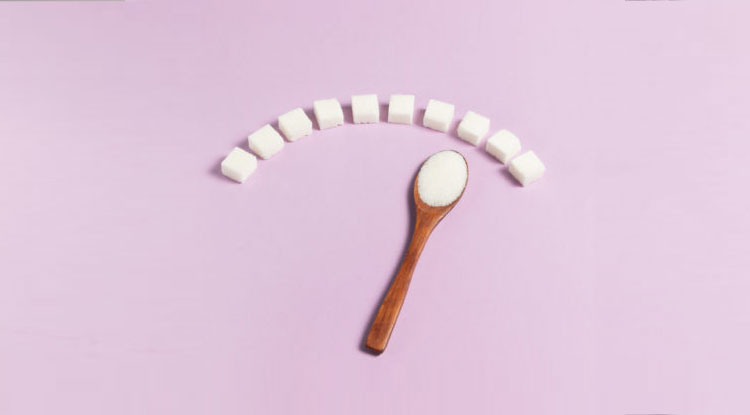
Our metabolism evolved eons ago, when our diet included fewer (and more complex) carbohydrates. Today most calories in an average diet come in the form of carbohydrates, and most of those are simple carbohydrates — sugars that quickly enter the bloodstream. The body has to release high levels of insulin to keep the level of glucose in the bloodstream from spiraling out of control. But in time the cells quit responding to this signal. At this point the body is “insulin resistant.”

One immediate consequence is that the body is forced to release even more insulin. Letting blood sugar get too high is simply not acceptable. The resulting excess of insulin in the bloodstream is called hyperinsulinemia. But the body wasn’t designed for these prolonged high levels of insulin, which disrupt cellular metabolism and spread inflammation. Diabetes occurs when the body fails to keep blood glucose under control. But as we have noted, that is only the most obvious of the diseases caused by insulin resistance. There are many negative health effects before full-blown diabetes.

Syndrome X and menopause

Of special concern to women is how insulin resistance disrupts fat metabolism. When the cells won’t absorb the extra glucose, the liver has to convert it into fat. Fat cells are loaded with glucose receptors, so this is a vicious cycle. Ironically, while the insulin-resistant woman is gaining weight, her cells are actually “starved” for glucose, so she feels exhausted and tends to eat carbohydrate-heavy foods in search of energy.

These extra fat cells are also little estrogen factories. So weight gain contributes to the estrogen dominance that causes so many symptoms during the early stages of perimenopause.

Symptoms relating to syndrome X usually predate the onset of menopause, but most women do not complain of them until then. A woman’s health can deteriorate rapidly during menopause with the decrease of estrogen levels in the body. And digestive issues that were once merely a hassle become an affliction when the body’s natural defenses against inflammation (estrogen being one) are depleted.

In addition, women approaching menopause are particularly prone to becoming insulin resistant due to metabolic changes related to fluctuations in adrenal and thyroid secretions. In fact, the decrease of certain hormones, like estradiol, may trigger a resistance to insulin in patients who never experienced it before. Certain blood pressure medications can mask symptoms without treating the problem. Frequently, women unwittingly make their symptoms worse by fighting weight gain with low-fat, high-carbohydrate diets.

How do I know if I’m insulin resistant?

The unfortunate truth is that anyone can become insulin resistant — even if they are thin. We are all at risk in our society where we have access to a lot of refined carbohydrates (white bread, sugar, bagels, pasta, potatoes, sodas, processed foods with added fructose, etc.). In fact, most of us are likely to be somewhat resistant to insulin. It is just a matter of degree. The more processed and refined food that we eat, the more insulin we require to metabolize it. The more insulin in our blood, the less responsive our cells become. As we age, this continual exposure wears out our tolerance for refined carbohydrates and reduces our sensitivity to insulin.

If you suffer from high cholesterol, high triglycerides, or hypertension, you should get checked for insulin resistance, regardless of your weight or age. If you have high blood pressure, it is likely that you are also suffering from insulin resistance. High blood pressure medication will not cure insulin resistance.

Signs and symptoms of insulin resistance

You are at the highest risk for developing this condition if you have a family history of type 2 diabetes or if you have suffered from gestational diabetes, hypertension, or are seriously overweight. (See our page on diabetes risk factors for more specifics.)

Apple-shaped women, or those who tend to gain most of their weight around their abdomen, show less tolerance for insulin. To assess your risk, measure yourself around the smallest part of your waist (don’t hold your stomach in!) and the biggest part of your hips. Divide the waist measurement by the hip measurement. A ratio bigger than 0.8 for women (or 1.0 for men) indicates that your abdomen is obese and you are at risk for developing insulin resistance.

Women with dyslipidemia, especially those with low HDL levels and high triglycerides, may also be resistant. I tend to look at the ratio of HDL to triglycerides. If I can divide the triglyceride count by the HDL count and get 3.0 or higher, I immediately suspect insulin resistance. A skin change called acanthosis nigricans, which is warty-like darkened patches of skin at the neck and armpits, indicates insulin resistance in over 90% of the women who experience it.

The good news is that insulin and glucose levels are very easily influenced by changes in lifestyle, exercise, and diet. If you are diagnosed with insulin resistance, there is a lot you can do to reverse its course.

Bringing insulin into check

At Women to Women, we understand that insulin resistance may be an underlying factor in a range of health problems. Before designing a patient’s program, we always take into consideration this possibility. Our goal at Women to Women is to enable all our patients to feel energetic, lively, attractive, passionate, and excited for years to come, as opposed to feeling lethargic, irritable, and hormonally imbalanced. Thankfully, we have discovered that a lot can be done to decrease a patient’s insulin sensitivity and bring their hormones back into natural balance.

When we evaluate a patient for insulin resistance, we recommend a blood test for glucose and insulin levels after fasting for 12 hours and then again two hours after a meal (preferably a high-carbohydrate meal). On the fasting tests, we hope to see glucose levels of no more than 75–80 and insulin of less than 14; higher levels indicate a risk of insulin resistance. Increased triglycerides make me suspicious too. We also take into account the patient’s lifestyle, diet and exercise patterns, as well as stress factors. All of this can be changed.

Talk to your primary care provider about being tested if you feel you are at risk. Many younger practitioners are familiar with the concept of insulin resistance, as it is now being taught in medical school. Unfortunately, old-school physicians may still be unaware of its importance.

Insulin resistance diet

If a patient presents with insulin sensitivity, I recommend changes in their diet and exercise habits. I encourage all of my patients to shop the outside aisles of the supermarket, and to studiously avoid the inner rows of processed food, sugar cereals, high-sodium snacks and soda.

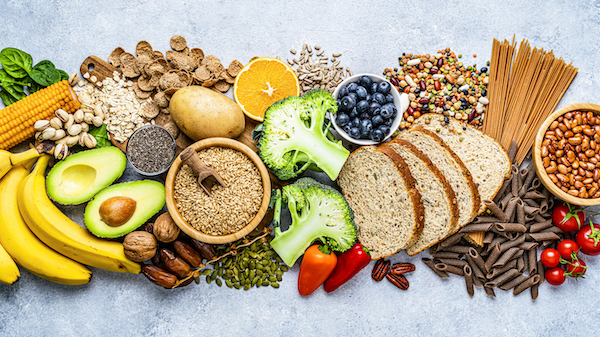
A diet that consists primarily of lean meats and dairy; high-fiber grains, vegetables and legumes; leafy greens; and fruit will substantially aid the body’s ability to balance insulin levels. If a patient is already insulin resistant, I recommend a meal plan consisting of breakfast, lunch, dinner, and two snacks. Each meal should have no more than 15 grams of carbohydrates in the form of vegetables and fruits (and prohibiting “white” food altogether, such as bread, pasta, and sugar) and some lean protein. Each snack should contain only 7 grams of similar carbohydrates.

Healthy fats, or those rich in essential fatty acids (EFA’s), are also important in an insulin-resistance diet. EFA’s can be found in avocados, cold-water fish like salmon and tuna, flax seed, and eggs and can also be taken in supplement form.

I also highly recommend a pharmaceutical-grade nutritional supplement, which can help decrease carbohydrate and sugar cravings and normalize the hormonal function in menopausal and perimenopausal patients. The Personal Program is an at-home version of what we offer at the clinic, and will satisfy the body’s nutritional demands in relation to insulin sensitivity. (See our page on micronutrient therapy for insulin resistance and diabetes for more information on how vitamins, minerals, phytochemicals, and other micronutrients can help prevent, treat, and in some cases reverse insulin resistance and type 2 diabetes, as well as their complications.)

Regular exercise of 30 minutes or more per day, 3–5 times a week is also beneficial for regulating metabolic function and hormonal balance. Decreasing stress, thereby lessening strain on the adrenal glands (see our article on adrenal fatigue), will result in better overall health and contribute to keeping the body’s insulin levels in check. Stopping smoking, moderating alcohol intake, and proper sleeping habits will help to alleviate blood chemistry surges, which in turn will promote a thriving, well-balanced body.

Your body’s hormonal balance is like a symphony. Insulin is one of the loudest and most important instruments. When its metabolism goes wrong, it throws off everything else. We’ve seen over and over that women with menopause symptoms must reverse their insulin resistance in order to find relief from other symptoms. The good news is that it can be done, and we’re here to help.

Our Personal Program is a great place to start

The Personal Program promotes natural hormonal balance with nutritional supplements, our exclusive endocrine support formula, dietary and lifestyle guidance, and optional phone consultations with our Nurse–Educators. It is a convenient, at-home version of what we recommend to all our patients at the clinic.

If you have questions, don't hesitate to call us toll-free at 1-800-798-7902. We're here to listen and help.

We’re always happy to welcome new patients to our medical clinic in Yarmouth, Maine, for those who can make the trip. Click here for information about making an appointment.


Original Publication Date: 08/25/2004
Last Modified: 08/17/2009
Principal Author: Marcelle Pick, OB/GYN NP

Your Personal Program
Your Stories

"My sweet cravings have completely disappeared!"

Lara was struggling with weight gain before starting on the Personal Program. She'd heard about insulin resistance from a friend and started connecting the dots with her own health history. After just a few months on the Program, her sweet tooth is under control, she's down 30 pounds, and she's out buying herself a new wardrobe...

Read this Story | All Stories


Questions? Call us at

1-800-798-7902

We're here to listen and help.