


Reviewed by Dr. Sharon Stills, NMD
Insulin resistance is a syndrome at the center of many chronic and serious health problems, including diabetes, obesity, heart disease and polycystic ovary syndrome or PCOS. Insulin is one of the “major” hormones and it has a cascading effect on the rest of your hormones, including the “minor” hormones estrogen, progesterone and testosterone.

Insulin resistance occurs because, for many of us, most of our calories come in the form of simple carbohydrates — sugars that quickly enter the bloodstream as glucose. The body has to release high levels of insulin to keep all that glucose in the bloodstream from spiraling out of control.
Over time, the cells simply can’t keep up. They stop responding to the insulin signal and the body becomes “insulin resistant.” Now, the body is forced to release even more insulin because it cannot let blood sugar get too high.
Having excess insulin in the bloodstream, or hyperinsulinemia, is a serious problem because the body can’t endure prolonged high levels of insulin. Too much insulin disrupts cellular metabolism and spreads inflammation.
When your body is unable to keep blood glucose under control, it leads to diabetes, though that is only the most obvious disease caused by insulin resistance. Along the way, there are many other serious negative health effects that can happen before full-blown diabetes takes hold. Diabetes can then spiral into other health problems.
You can stop this chain of events by making diet and lifestyle changes. You can start by understanding how insulin can get out of balance in the first place.
How imbalanced insulin contributes to other hormonal imbalances
Since insulin is considered a “major” hormone, it can affect many other hormone systems, including your “sex” hormones. A woman’s body in perimenopause is already trying to manage the effects of imbalanced sex hormones (estrogen, progesterone and testosterone) that are the source of many perimenopause symptoms.
Unless your insulin metabolism is balanced and functioning well, you will never be able to reduce hot flashes, lose weight or relieve other menopause symptoms. When all your hormones are in balance with each other, they can do their jobs right and you feel healthy.
Insulin and other major hormones including cortisol have everything to do with how you feel every day and how well your body works. Restoring balance to all your hormones is essential for true health, and insulin should be at the top of the list.
Insulin resistance increases your risk for developing chronic disease
On top of contributing directly to obesity, diabetes and PCOS, insulin resistance is closely linked to many other serious health problems like high blood pressure, high cholesterol, breast cancer and endometrial cancer, and has been implicated in Alzheimer’s disease.
Insulin resistance also lurks beneath two of the most common symptoms women experience during menopause: fatigue and weight gain. Women notice these symptoms as they approach menopause mostly because their bodies can no longer deal with high amounts of carbohydrates.
Eating too many simple carbs that your body can’t manage leads to weight gain, especially around the middle. Other symptoms include afternoon “blahs,” difficulty concentrating, sugar crashes and carbohydrate cravings. All of these are early symptoms of insulin resistance but we often don’t make the connection.
How insulin is supposed to work
Once food hits your digestive system, everything — fats, proteins and carbohydrates — is reduced to micronutrients, proteins and glucose. Your body uses the proteins and nutrients for cellular metabolism, immune function and cell building. The glucose is carried by the bloodstream to the individual cells and it’s powerfully important. Glucose is your body’s basic fuel and the only one your brain can use.
Your brain requires blood sugar to stay very stable at all times and this is where insulin comes in. Insulin brings cells the energy they need without changing your blood sugar. As insulin signals the cells to absorb glucose from the bloodstream, your body keeps track of the food you’ve digested, your blood sugar levels and the needs of your cells.
This ensures that insulin is released in only precise amounts as needed, and your body stays “insulin sensitive.”
Menopause plus insulin resistance leads to symptoms
For women, the way insulin resistance disrupts fat metabolism is significant. When cells won’t soak up the extra glucose, the liver has to deal with it by converting it into fat. Since fat cells are loaded with glucose receptors, this is a never-ending cycle.
If you are insulin-resistant and gaining weight, your cells are actually “starved” for glucose — even with all that excess glucose, they still can’t get enough. This situation, sometimes called “syndrome X,” causes you to feel exhausted all the time so you turn to the same trouble-causing carbohydrate-heavy foods for fast energy.
But since your extra fat cells are like little estrogen factories, they promote weight gain by feeding the estrogen dominance that causes so many symptoms during the early stages of perimenopause.
Insulin resistance symptoms usually hit well before menopause. But when syndrome X is in full swing, a woman’s health can deteriorate rapidly during menopause as estrogen levels fall. Any existing digestive issues turn more serious as the body’s natural defenses against inflammation, including estrogen, are depleted.
Women near menopause are particularly prone to insulin resistance due to metabolic changes related to fluctuations in adrenal and thyroid hormonal secretions. The decrease of certain hormones, like estradiol, may actually trigger insulin resistance in women who never experienced it before.
Many women also unwittingly make their symptoms worse by trying to lose weight on old-school low-fat, high-carbohydrate diets.
Can you tell if you have insulin resistance?
Anyone can become insulin resistant — even thin people. Since so many Americans eat too many refined carbohydrates, including processed foods with added fructose, most of us are probably somewhat resistant to insulin.
If you keep eating more processed and refined food, you will need more insulin to metabolize it all. The more insulin in your blood, the less responsive your cells become to that key hormone. As you age, you can’t tolerate so many refined carbohydrates and your sensitivity to insulin is steadily reduced.
If you have high cholesterol, high triglycerides or hypertension, you should get checked for insulin resistance, regardless of your weight or age. When a woman has high blood pressure, it is likely that she will also have insulin resistance. Blood pressure medication will not cure insulin resistance. In fact, certain blood pressure medications can mask the symptoms of insulin resistance without treating the underlying problem.
Insulin resistance: signals to look for
You are at the highest risk for developing insulin resistance if you have a family history of type 2 diabetes or if you have ever had gestational diabetes, hypertension or been very overweight. Women who tend to gain weight mostly around their abdomens show less tolerance for insulin.
To assess your risk, measure yourself around the smallest part of your waist (don’t hold in your stomach!) and the biggest part of your hips. Divide your waist measurement by your hip measurement. A ratio bigger than 0.8 for women (or 1.0 for men) indicates that your abdomen is obese and you are at risk for developing insulin resistance.
If you have an abnormal amount of fat or cholesterol in your blood (dyslipidemia), especially if you have low HDL levels and high triglycerides, you may be insulin resistant. Another sign to look for is a skin change called acanthosis nigricans, velvety, wart-like darkened skin patches on the neck and armpits. This skin change indicates insulin resistance in over 90% of the women who experience it.
The really good news is that insulin and glucose levels are easily influenced by lasting changes in lifestyle, exercise, diet and supplementation. If you are diagnosed with insulin resistance, the sooner you address it the better because often, you can literally change your future.

How to restore insulin balance
To evaluate insulin resistance, women can have a blood test for glucose and insulin levels after fasting for 12 hours and then again two hours after a meal, preferably a high-carbohydrate meal. On fasting tests, it’s best if glucose levels are no higher than 75–80, though many informed practitioners like to see insulin at around 5. Higher levels indicate a risk of insulin resistance. Increased triglycerides can help confirm a diagnosis within this context.
If the triglycerides add up to about half of the cholesterol number, it indicates proper metabolism of fat. For example, if total cholesterol is 200, then triglycerides should be 100. Lifestyle, diet and exercise patterns, as well as stress factors should all be taken into account — because they can all be changed.
Talk to your healthcare provider about being tested if you think you may be at risk for insulin resistance.
How to use food and lifestyle to offset insulin resistance
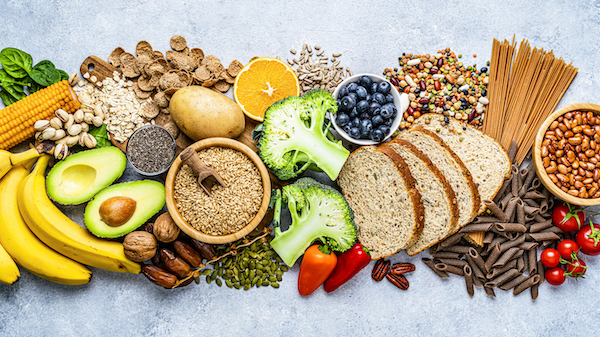
To help keep insulin balanced, eat a diet primarily of small amounts of lean meats and other proteins, with high-fiber grains, and plenty of vegetables and legumes, leafy greens, and fruit to help balance insulin.
If you’re already insulin resistant, always eat breakfast, lunch, dinner and two snacks and follow these guidelines:
- Manage your carbs: each meal should have no more than 15 grams of carbohydrates as vegetables and fruits (no bread, pasta or sugar) and some lean protein. Each snack should contain only 7 grams of similar carbohydrates.
- Eat healthy fats. Essential fatty acids (EFAs) are very important in an anti-insulin-resistance diet. Find EFAs in avocados, cold-water fish like salmon and tuna, flax seeds, and eggs — or choose an omega-3 supplement.


- Choose a complete nutritional supplement. This can help decrease carbohydrate and sugar cravings and normalize hormonal function, especially if you are perimenopausal or menopausal.
- Get 30 minutes of regular exercise. Steady physical movement 3–5 times a week can help regulate metabolic function and support hormonal balance.
- Decrease stress. Relieving or preventing stress reduces strain on the adrenal glands and can help keep insulin levels in check.
Finally, quit smoking, moderate your alcohol intake and get enough sleep to help with any blood chemistry surges. Insulin is so important to overall health that when it’s not metabolized well, everything else is thrown off.
If you have insulin resistance, now is the time to change your diet and lifestyle. Make a plan and stick to it. For women with menopause symptoms, dealing with insulin resistance is the most important first step to find relief. Overcoming insulin resistance is a challenge, but it can be done. Get started today.