



Reviewed by Dr. Amber Hayden, DO
With Covid-19 an unwelcome part of this year’s cold and flu season, it’s time for all of us to up our game for staying well. Fortunately, some of the best remedies for helping to ward off respiratory viruses are already in your kitchen, in the form of immune-boosting foods and anti-inflammatory herbs and spices.
Our favorites are those that act on the respiratory tract as well as the immune system and come with the bonus of being easy to work into everyday meals.
7 favorite immune-boosting foods
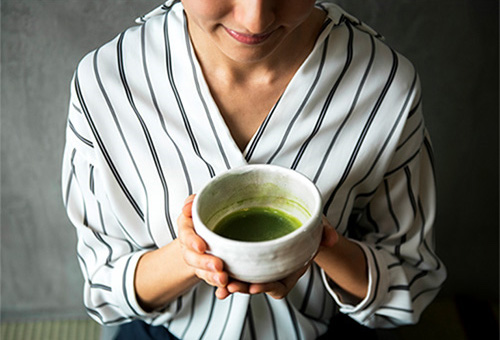
Green Tea. Exciting new research about green tea’s anti-viral effects could not have come at a better time. In one recent preliminary study, a German research team analyzed the potential of plant-derived foods to inactivate influenza virus and SARS-CoV-2, the coronavirus that causes Covid-19. Green tea demonstrated “viricidal” (virus destroying) activity against both viruses, suggesting that drinking green tea may help reduce viral loads. Researchers noted that pomegranate and black chokecherry juice had similar anti-viral effects.
In a second study, researchers from North Carolina State University found that plant flavonoids in green tea could potentially slow the replication of the SARS-CoV-2 virus by blocking a specific viral enzyme, helping to inhibit the virus’s growth. Flavonoid-rich dark chocolate and muscadine grapes have high levels of these same flavonoids.
Green tea is also a source for epigallocatechin gallate (EGCG), a polyphenol that has been found to have antiviral effects against influenza A virus (seasonal flu). Plus, green tea helps to support the immune system when viruses and other microbes do manage to slip through. One tea ingredient, L-theanine, appears to prime the memory of core T cells in the immune system, teaching them to recognize certain molecular subcomponents of invading microbes so they can mount a significantly stronger response than “naïve” T cells. Another group of compounds in tea called catechins are under evaluation for their antimicrobial effects.
For a twist on green tea, try our recipe for Matcha Green Tea Latte that uses shade grown matcha, a form of green tea that is especially rich in flavonoids and polyphenols.
Probiotic-rich foods. Did you know that approximately 75% of your immune system resides in your gastrointestinal tract? It is found among your gut bacteria, so you want to make a special effort to feed good bacteria to your GI tract and help this connection flourish. Some of our favorite probiotic-rich foods include sauerkraut and kimchi as a side dish or topping at meals, yogurt as an easy breakfast or snack and lacto-fermented pickles as a snack or stacked in a sandwich. Because friendly gut flora is so important for immune health, I am also telling my patients to keep taking their probiotic supplement to ensure that good bacteria is constantly replenished. A high quality probiotic like Super Biotic is a great way to get what you need.
Berries. Blueberries, raspberries, blackberries and strawberries are bursting with compounds that support your immune health. This is because berries contain flavonoids, a type of antioxidant that can help reduce damage to cells and protect immune response at the cellular level. Other compounds in berries that boost immune response include antioxidant Vitamin C and Vitamin A, dietary fiber, and manganese. If you live in an area where berries are out of season in winter (as is the case in most of the US), buy frozen berries rather than fresh berries shipped long distance. Frozen berries are flash frozen at peak ripeness and have lost little nutritional content. Fresh berries shipped thousands of miles to your grocery store were likely sprayed with a preservative and are not at peak nutritional content. For an alternative to berries, try figs, which have similar beneficial properties. Figs work well in many savory and sweet wintertime recipes.
Hot peppers. Chili peppers such as jalapeño, poblano or serrano contain moderate levels of the compound capsaicin, which is what makes peppers burn in your mouth — and clear out your sinuses! Adding these peppers to soups and other dishes can help open up clogged airways and promote better drainage of the sinuses, which in turn helps rid them of infectious bacteria, viruses, and the mucus and cellular debris associated with them. Peppers are also a high-quality source of Vitamin C. As with some other natural treatments, the research on Vitamin C and cold and flu prevention has been mixed and somewhat controversial. That said, Vitamin C (ascorbic acid) is a powerful antioxidant, and it does appear to benefit the immune response, reduce the duration of respiratory symptoms and may have some direct effects against influenza.
Garlic. Studies have shown that garlic promotes overall immune health, and that it is active against specific bacterial infections of the respiratory tract. It may also boost the ability of the respiratory tract to defend against viral infection.
Chicken soup. Mothers and grandmothers have prescribed homemade chicken soup as a remedy for colds and flu for generations — and with good reason! It may not be a cure-all, but chicken soup does have a number of benefits for overall immune health and a healthy respiratory tract, and it certainly is comforting.
As part of the natural inflammatory response, respiratory viruses like the common cold and influenza cause immune cells called neutrophils to migrate to the mucosal lining of the airways. This is thought to be what causes the secretion of mucus. Chicken soup has been shown to significantly limit the number of neutrophils that get drawn in. Steam from chicken soup helps open nasal passages, so it also helps remove infectious particles from your airways in that fashion. (And if you make a chicken soup with fresh, homemade broth, garlic and a jalapeño pepper, you’ll have a triple whammy for your respiratory health!)
Herbal tisanes. When steeped in boiling water, just about any herb or plant material that is not tea leaves becomes what is known traditionally as a tisane. If left to brew for some time, it becomes an infusion. Whether brewed as single ingredients or in combination, there are countless varieties of these herbal tisanes and infusions, with an equally diverse range of health-enhancing applications.
One of the best known and most widely used herbs, Echinacea, has been long considered a source of immune support in traditional medicine. Laboratory studies on different Echinacea species, plant parts and preparations have demonstrated a variety of antiviral properties, useful in preventing and fending off respiratory viruses.
Studies also demonstrate that Echinacea preparations can differ greatly, as can their effectiveness. We recommend you look for organically grown or sustainably harvested herbs, and if using supplements, choose high-quality standardized extracts.
5 medicinal herbs for cold and flu season
You don’t have to brew up a tisane to build better immunity with herbs. Herbs can be compounded in a wide range of forms, including tinctures, extracts, homeopathic and combination preparations.
Most botanical preparations containing these herbs work best when taken as preventives, or as soon as your first symptoms appear. Here are 5 for which the science is strong.
1) Astragalus (A. membranaceous)*
2) Black elderberry (Sambucus nigra)
3) Cordyceps (C. militaris)*
4) Echinacea (E. angustifolia, E. purpurea, E. pallida)
5) Eleuthero (Siberian ginseng — Eleutherococcus senticosus)*
* Herbs included in Women’s Health Network’s Adaptisol formulation.
Herbal medicines are thought to neutralize or limit the success of seasonal viruses in many ways, including increasing immune cell numbers and function, gene expression, and cell-signaling activity in the body. Others appear to act upon the virus particles themselves.
Having these remedies to turn to during cold and flu season will help give you the boost you need in addition to a quality probiotic and antioxidant blend!
1 Rowe, C., et al. 2007. Specific formulation of Camellia sinensis prevents cold and flu symptoms and enhances [gamma delta] T-cell function: A randomized, double-blind, placebo-controlled study. J. Am. Coll. Nutr., 26 (5), 445–452. URL: https://www.jacn.org/cgi/content/full/26/5/445 (accessed 10.14.2009).
Kamath, A., et al. 2003. Antigens in tea-beverage prime human Vgamma 2Vdelta 2 T cells in vitro and in vivo for memory and nonmemory antibacterial cytokine responses. Proc. Natl. Acad. Sci. USA, 100 (10), 6009–6014. URL: https://www.pnas.org/content/100/10/6009.long (accessed 09.29.2009).
Bukowski, J., et al. 1999. Human gamma delta T cells recognize alkylamines derived from microbes, edible plants, and tea: Implications for innate immunity. Immunity, 11 (1), 57–65. URL (abstract): https://www.ncbi.nlm.nih.gov/pubmed/10435579 (accessed 09.29.2009).
Nakayama, M., et al. 1993. Inhibition of the infectivity of influenza virus by tea polyphenols. Antiviral Res., 21 (4), 289–299. URL (abstract): https://www.ncbi.nlm.nih.gov/pubmed/8215301 (accessed 10.14.2009).
See also:
Brigham and Women’s Hospital. 2003. Press Release. Drinking tea may boost immune system. Study provides new theory on health benefits of tea — a cup a day may keep illness away. URL: https://www.brighamandwomens.org/publicaffairs/Newsreleases/tea_immunity_04_21_03/ (accessed 09.29.2009).
2 Jariwalla, R., et al. 2007. Suppression of influenza A virus nuclear antigen production and neuraminidase activity by a nutrient mixture containing ascorbic acid, green tea extract and amino acids. Biofactors, 31 (1), 1–15. URL (abstract): https://www.ncbi.nlm.nih.gov/pubmed/18806304 (accessed 09.29.2009).
3 Xiao, X., et al. 2008 [Antiviral effect of epigallocatechin gallate (EGCG) on influenza A virus]. Zhongguo Zhong Yao Za Zhi, 33 (22), 2678–82. URL (abstract): https://www.ncbi.nlm.nih.gov/pubmed/19216171 (accessed 09.29.2009).
4 Song, J., et al. 2005. Antiviral effect of catechins in green tea on influenza virus. Antiviral Res., 68 (2), 66–74. URL (abstract): https://www.ncbi.nlm.nih.gov/pubmed/16137775 (accessed 09.29.2009).
Nakayama, M., et al. 1993. Inhibition of the infectivity of influenza virus by tea polyphenols. Antiviral Res., 21 (4), 289–299 (abstract). URL: https://www.ncbi.nlm.nih.gov/pubmed/8215301 (accessed 09.29.2009).
5 Sharma, M., et al. 2009. Induction of multiple pro-inflammatory cytokines by respiratory viruses and reversal by standardized Echinacea, a potent antiviral herbal extract. Antiviral Res., 83 (2), 165–170. URL (abstract): https://www.ncbi.nlm.nih.gov/pubmed/19409931 (accessed 09.29.2009)
Roxas, M., & Jurenka, J. 2007. Colds and influenza: A review of diagnosis and conventional, botanical, and nutritional considerations. Altern. Med. Rev., 12 (1), 25–48. URL (PDF): https://www.thorne.com/altmedrev/.fulltext/12/1/25.pdf (accessed 09.25.2009).
Bodinet, C., et al. 2002. Effect of oral application of an immunomodulating plant extract on influenza virus type A infection in mice. Planta Med., 68 (10), 896–900. URL: https://www.ncbi.nlm.nih.gov/pubmed/12391552 (accessed 09.29.2009)
6 Linde, K., et al. 2006. Echinacea for preventing and treating the common cold. Cochrane Database Syst. Rev. (1), CD000530. URL (abstract): https://www.ncbi.nlm.nih.gov/pubmed/16437427 (accessed 09.30.2009).
7 Harris, J., et al. 2001. Antimicrobial properties of Allium sativum (garlic). Appl. Microbiol. Biotechnol., 57 (3), 282–286. URL (abstract): https://www.ncbi.nlm.nih.gov/pubmed/11759674 (accessed 09.30.2009).
8 Fujisawa, H., et al. 2009. Antibacterial potential of garlic-derived allicin and its cancellation by sulfhydryl compounds. Biosci. Biotechnol. Biochem., 73 (9), 1948–1955. URL: https://www.jstage.jst.go.jp/article/bbb/73/9/73_1948/_article (accessed 09.30.2009).
Ankri, S., & Mirelman, D. 1999. Antimicrobial properties of allicin from garlic. Microbes Infect., 1 (2), 125–129. URL (abstract): https://www.ncbi.nlm.nih.gov/pubmed/10594976 (accessed 09.30.2009).
Weber, N., et al. 1992. In vitro virucidal effects of Allium sativum (garlic) extract and compounds. Planta Med., 58 (5), 417-423. URL (astract): https://www.ncbi.nlm.nih.gov/pubmed/1470664 (accessed 09.30.2009).
Adetumbi, M., & Lau, B. 1983. Allium sativum (garlic) — a natural antibiotic. Med. Hypotheses, 12 (3), 227-237. URL: https://www.ncbi.nlm.nih.gov/pubmed/6366484 (accessed 09.30.2009).
9 Lissiman, E., et al. 2009. Garlic for the common cold. Cochrane Database Syst Rev., 8 (3) CD006206. URL (abstract): https://www.ncbi.nlm.nih.gov/pubmed/19588383 (accessed 09.30.2009).
Weber, N., et al. 1992. In vitro virucidal effects of Allium sativum (garlic) extract and compounds. Planta Med., 58 (5), 417-423. URL (abstract): https://www.ncbi.nlm.nih.gov/pubmed/1470664(accessed 09.30.2009).
10 [No author or date of publication listed.] Garlic facts (Allium sativum). Planet Botanic Canada. URL: https://www.planetbotanic.ca/fact_sheets/garlic_fs.htm (accessed 09.30.2009).
11 Bjarnsholt, T., et al. 2005. Garlic blocks quorum sensing and promotes rapid clearing of pulmonary Pseudomonas aeruginosa infections. Microbiology, 151 (Pt. 12), 3873–3880. URL: https://mic.sgmjournals.org/cgi/content/full/151/12/3873 3 (accessed 09.30.2009).
12 Andrianova, I., et al. 2003. [Effect of long-acting garlic tablets “Allicor” on the incidence of acute respiratory viral infections in children.] Ter. Arkh., 75 (3), 53–56. URL (abstract): https://www.ncbi.nlm.nih.gov/pubmed/12718222 (accessed 09.30.2009).
Ankri, S., & Mirelman, D. 1999.
Weber, N., et al. 1992.
13 Heimer, K., et al. 2009. Examining the evidence for the use of vitamin C in the prophylaxis and treatment of the common cold. J. Am. Acad. Nurse Pract., 21 (5), 295–300. URL: https://www.ncbi.nlm.nih.gov/pubmed/19432914 (accessed 09.30.2009).
Douglas, R., et al. 2007. Vitamin C for preventing and treating the common cold. Cochrane Database Syst. Rev. (3), CD000980. URL (abstract): https://www.ncbi.nlm.nih.gov/pubmed/17636648 (accessed 09.30.2009).
Linus Pauling Institute at Oregon State University. 2006. LPI Research Newsletter — vitamin C and the common cold. URL: https://lpi.oregonstate.edu/ss06/cold.html (accessed 09.30.2009).
Hemilä, H. 1994. Does vitamin C alleviate the symptoms of the common cold? — A review of current evidence. Scand. J. Infect. Dis., 26 (1), 1-6. URL (abstract): https://www.ncbi.nlm.nih.gov/pubmed/8191227 (accessed 09.30.2009).
14 Li, W., et al. 2006. Vitamin C deficiency increases the lung pathology of influenza virus-infected gulo-/- mice. J. Nutr., 136 (10), 2611–2616. URL: https://jn.nutrition.org/cgi/content/full/136/10/2611 (accessed 09.30.2009).
Furuya, A., et al. 2008. Antiviral effects of ascorbic and dehydroascorbic acids in vitro. Int. J. Mol. Med., 22 (4), 541–545. URL: https://www.spandidos-publications.com/ijmm/article.jsp?article_id=ijmm_22_4_541 (accessed 09.30.2009).
15 Rosner, F. 1980. Therapeutic efficacy of chicken soup. Chest, 78 (4), 672–674. URL: https://www.chestjournal.org/content/78/4/672.full.pdf+html (accessed 09.30.2009).
16 Rennard, B., et al. 2000. Chicken soup inhibits neutrophil chemotaxis in vitro. Chest, 118 (4), 1150–1157. URL: https://www.chestjournal.org/content/118/4/1150.full (accessed 09.30.2009).
Saketkhoo, K., et al. 1978. Effects of drinking hot water, cold water, and chicken soup on nasal mucus velocity and nasal airflow resistance. Chest, 74, 408–410. URL (PDF): https://www.chestjournal.org/content/74/4/408.full.pdf+html (accessed 09.30.2009).
References on herbs for cold and flu season
1) Astragalus
Roxas, M., & Jurenka, J. 2007. Colds and influenza: A review of diagnosis and conventional, botanical, and nutritional considerations. Altern. Med. Rev., 12 (1), 25–48. URL (PDF): https://www.thorne.com/altmedrev/.fulltext/12/1/25.pdf (accessed 09.25.2009).
Brush, J., et al. 2006. The effect of Echinacea purpurea, Astragalus membranaceus and Glycyrrhiza glabra on CD69 expression and immune cell activation in humans. Phytother. Res., 20, 687–695. URL (abstract): https://www.ncbi.nlm.nih.gov/pubmed/16807880 (accessed 09.25.2009).
McKenna, D., et al. 2002. Astragalus. Altern. Ther. Health Med, 8 (6), 34–40. URL (no abstract available): https://www.ncbi.nlm.nih.gov/pubmed/12440837 (accessed 09.25.2009).
Kajimura, K., et al. 1996. Protective effect of Astragali radix by oral administration against Japanese encephalitis virus infection in mice. Biol. Pharm. Bull., 19 (9), 1166–1169. URL (abstract): https://www.ncbi.nlm.nih.gov/pubmed/8889035 accessed 09.25.2009).
2) Black elderberry
Roxas M., & Jurenka, J. 2007.
Zakay–Rones, Z., et al. 2004. Randomized study of the efficacy and safety of oral elderberry extract in the treatment of influenza A and B virus infections. J. Int. Med. Res., 32 (2), 132–140. URL (abstract): https://www.ncbi.nlm.nih.gov/pubmed/15080016 (accessed 09.25.2009).
Blumenthal, M. 1998. The Complete German Commission E Monograph, 124. Austin, TX: American Botanical Council.
Zakay–Rones, Z., et al. 1995. Inhibition of several strains of influenza virus in vitro and reduction of symptoms by an elderberry extract (Sambucus nigra L.) during an outbreak of influenza B Panama. J. Altern. Complement. Med., 1, 361–369. URL: https://www.ncbi.nlm.nih.gov/pubmed/9395631 (accessed 09.25.2009).
3) Cordyceps
Cheung, J., et al. 2009. Cordysinocan, a polysaccharide isolated from cultured Cordyceps, activates immune responses in cultured T-lymphocytes and macrophages: Signaling cascade and induction of cytokines. J. Ethnopharmacol., 124 (1), 61–68. URL (abstract):https://www.ncbi.nlm.nih.gov/pubmed/19446414 (accessed 09.25.2009).
Li, C., et al. 2009. Two-sided effect of Cordyceps sinensis on dendritic cells in different physiological stages. J. Leukoc. Biol., 85. [Epub ahead of print.] URL (PDF): https://www.jleukbio.org/cgi/rapidpdf/jlb.0908573v1 (accessed 03.16.2009).
Park, D., et al. 2008. Immunoglobulin and cytokine production from mesenteric lymph node lymphocytes is regulated by extracts of Cordyceps sinensis in C57BI/6N mice. J. Med. Food, 11 (4), 784–787. URL (abstract): https://www.ncbi.nlm.nih.gov/pubmed/19053874 (accessed 02.26.2009).
Patterson, R. 2008. Cordyceps: A traditional Chinese medicine and another fungal therapeutic biofactory? Phytochemistry, 69 (7), 1469–1495. URL (abstract): https://www.ncbi.nlm.nih.gov/pubmed/18343466 (accessed 03.16.2009).
Wang, X., et al. 2008. [Intervening and therapeutic effect of Cordyceps mycelia extract on liver cirrhosis induced by dimethylnitrosamine in rats.] Zhongguo Zhong Xi Yi Jie He Za Zhi, 28 (7), 617–622. URL (abstract): https://www.ncbi.nlm.nih.gov/pubmed/18822912 (accessed 02.26.2009).
Yoon, T., et al. 2008. Innate immune stimulation of exo-polymers prepared from Cordyceps sinensis by submerged culture. Appl. Microbiol. Biotechnol., 80 (6), 1087–1093. URL (abstract): https://www.ncbi.nlm.nih.gov/pubmed/18690428 (accessed 02.26.2009).
Zhou, X., et al. 2008. Cordycepin is an immunoregulatory active ingredient of Cordyceps sinensis. Am. J. Chin. Med., 36 (5), 967–980. URL (abstract): https://www.ncbi.nlm.nih.gov/pubmed/19051361 (accessed 02.26.2009).
Ko, K., & Leung, H. 2007. Enhancement of ATP generation capacity, antioxidant activity and immunomodulatory activities by Chinese Yang and Yin tonifying herbs. Chin. Med., 2 (1), 3. URL: https://www.cmjournal.org/content/2/1/3 (accessed 08.12.2009).
Kuo, C., et al. 2007. Abrogation of streptococcal pyrogenic exotoxin B-mediated suppression of phagocytosis in U937 cells by Cordyceps sinensis mycelium via production of cytokines. Food Chem. Toxicol., 45 (2), 278-285. URL (abstract): (accessed 03.16.2009).
Koh, J., et al. 2002. Activation of macrophages and the intestinal immune system by an orally administered decoction from cultured mycelia of Cordyceps sinensis. Biosci. Biotechnol. Biochem., 66 (2), 407–411. URL: https://www.jstage.jst.go.jp/article/bbb/66/2/66_407/_article/-char/en (accessed 09.25.2009).
Weng, S., et al. 2002. Immunomodulatory functions of extracts from the Chinese medicinal fungus Cordyceps cicadae. J. Ethnopharmacol., 83 (1–2), 79–85. URL (abstract): https://www.ncbi.nlm.nih.gov/pubmed/12413710 (accessed 09.25.2009).
Kuo, Y., et al. 2001. Regulation of bronchoalveolar lavage fluids cell function by the immunomodulatory agents from Cordyceps sinensis. Life Sci., 68 (9), 1067–1082. URL (abstract): https://www.ncbi.nlm.nih.gov/pubmed/11212870 (accessed 09.25.2009).
4) Echinacea
Sharma, M., et al. 2009. Echinacea as an antiinflammatory agent: The influence of physiologically relevant parameters. Phytother. Res., 23 (6), 863–867. URL (abstract): https://www.ncbi.nlm.nih.gov/pubmed/19107735 (accessed 09.25.2009).
Sharma, M., et al. 2009. Induction of multiple pro-inflammatory cytokines by respiratory viruses and reversal by standardized Echinacea, a potent antiviral herbal extract. Antiviral Res., 83 (2), 165–170. URL: https://www.ncbi.nlm.nih.gov/pubmed/19409931 (accessed 09.25.2009).
Senchina, D., et al. 2009. Echinacea tennesseensis ethanol tinctures harbor cytokine- and proliferation-enhancing capacities. Cytokine, 46 (2), 267–272. URL: (abstract): https://www.ncbi.nlm.nih.gov/pubmed/19286391 (accessed 09.25.2009).
Altamirano–Dimas, M., et al. 2007. Modulation of immune response gene expression by Echinacea extracts: Results of a gene array analysis. Can. J. Physiol. Pharmacol., 85 (11), 1091–1098. URL: https://www.ncbi.nlm.nih.gov/pubmed/18066111 (accessed 09.25.2009).
Roxas M., & Jurenka, J. 2007.
Tierra, M. 2007. Echinacea: An effective alternative to antibiotics. J. Herb Pharmacother., 7 (2), 79–89. Review. URL (abstract): https://www.ncbi.nlm.nih.gov/pubmed/18285309 (accessed 09.25.2009).
Classen, B., et al. 2006. Immunomodulatory effects of arabinogalactan-proteins from Baptisia and Echinacea. Phytomedicine, 13, 688-694. URL (abstract): (accessed 09.25.2009)
Block, K., & Mead, M. 2003. Immune system effects of Echinacea, ginseng, and Astragalus: A review. Integr. Cancer Ther., 2 (3), 247–267. URL (abstract): https://www.ncbi.nlm.nih.gov/pubmed/15035888 (accessed 09.25.2009).
Randolph, R., et al. 2003. Regulation of human immune gene expression as influenced by a commercial blended Echinacea product: Preliminary studies. Exp. Biol. Med. (Maywood), 228 (9), 1051–1056. URL: https://www.ebmonline.org/cgi/content/full/228/9/1051 (accessed 09.25.2009).
Kim, L., et al. 2002. Immunological activity of larch arabinogalactan and Echinacea: A preliminary, randomized, double-blind, placebo-controlled trial. Altern. Med. Rev., 7, 138–149. URL (abstract): (accessed 09.25.2009).
Blumenthal, M. 1998. The Complete German Commission E Monographs, 122–123. Austin, TX: American Botanical Council. (accessed 09.25.2009).
Murray, M., & Pizzorno, J. 1998. Encyclopedia of Natural Medicine, 2nd ed., 159–160. Rocklin, CA: Prima Publishing.
Murray M. 1995. The Healing Power of Herbs, 2nd ed., 92–107. Rocklin, CA: Prima Publishing.
Bauer R., & Wagner, H. 1991. Echinacea species as potential immunostimulatory drugs. Econ. Med. Plant Res., 5, 253–321. In H. Wagner and N. Farnsworth (eds.), Economic and Medicinal Plant Research, Vol. 5. NY: Academic Press.
5) Eleuthero
Jung, C., et al. 2007. Eleutherococcus senticosus extract attenuates LPS-induced iNOS expression through the inhibition of Akt and JNK pathways in murine macrophage. J. Ethnopharmacol., 113 (1), 183–187. URL (abstract): https://www.ncbi.nlm.nih.gov/pubmed/17644291 (accessed 03.12.2009).
Roxas M., & Jurenka, J. 2007.
Narimanian, M., et al. 2005. Impact of Chisan (ADAPT-232) on the quality-of-life and its efficacy as an adjuvant in the treatment of acute non-specific pneumonia. Phytomedicine, 12 (10), 723–729. URL (abstract): https://www.ncbi.nlm.nih.gov/pubmed/16323290 (accessed 03.12.2009).
Narimanian, M., et al. 2005. Randomized trial of a fixed combination (Kan Jang) of herbal extracts containing Adhatoda vasica, Echinacea purpurea and Eleutherococcus senticosus in patients with upper respiratory tract infections. Phytomedicine, 12 (8), 539–547. URL (abstract): https://www.ncbi.nlm.nih.gov/pubmed/16121513 (accessed 03.12.2009).
Kimura, Y., & Sumiyoshi, M. 2004. Effects of various Eleutherococcus senticosus cortex on swimming time, natural killer activity and corticosterone level in forced swimming stressed mice. J. Ethnopharmacol., 95 (2–3), 447–453. URL (abstract): https://www.ncbi.nlm.nih.gov/pubmed/15507373 (accessed 03.12.2009).
Arushanian, E., et al. 2003. [Effect of Eleutherococcus on short-term memory and visual perception in healthy humans.] Eskp. Klin. Farmakol., 66 (5), 10–13. URL (abstract): https://www.ncbi.nlm.nih.gov/pubmed/14650206 (accessed 03.12.2009).
Rogala, E., et al. 2003. The influence of Eleutherococcus senticosus on cellular and humoral immunological response of mice. Pol. J. Vet. Sci., 6 (Suppl.), 37–39. URL (abstract): https://www.ncbi.nlm.nih.gov/pubmed/14509359 (accessed 03.12.2009).
Drozd, J., et al. 2002. Estimation of humoral activity of Eleutherococcus senticosus. Acta Pol. Pharm., 59 (5), 395–401. URL (abstract): https://www.ncbi.nlm.nih.gov/pubmed/12602802 (accessed 03.12.2009).
Panossian, A., et al. 2002. Effect of andrographolide and Kan Jang — fixed combination of extract SHA-10 and extract SHE-3 — on proliferation of human lymphocytes, production of cytokines and immune activation markers in the whole blood cells culture. Phytomedicine, 9 (7), 598–605. URL (abstract): https://www.ncbi.nlm.nih.gov/pubmed/12487323 (accessed 03.12.2009).
Schmolz, M., et al. 2001. The synthesis of Rantes, G-CSF, IL-4, IL-5, IL-6, IL-12 and IL-13 in human whole-blood cultures is modulated by an extract from Eleutherococcus senticosus L. roots. Phytother. Res., 15 (3), 268–270. URL (abstract): https://www.ncbi.nlm.nih.gov/pubmed/11351368 (accessed 03.12.2009).
Davydov, M., & Krikorian, A. 2000. Eleutherococcus senticosus (Rupr. & Maxim.) Maxim. (Araliaceae)as an adaptogen: A closer look. J.Ethnopharmacol., 72 (3), 345–393. URL (abstract): https://www.ncbi.nlm.nih.gov/pubmed/10996277 (accessed 03.12.2009).
Farnsworth, N., et al. 1985. “Siberian ginseng (Eleutherococcus senticosus): Current status as an adaptogen.” In Economic and Medicinal Plant Research. Vol. 1, eds. H. Wagner et al., 217-284. London: Academic Press.