




What every woman needs to know about her mental health


If depression, anxiety, or other mood disorders have impacted your life, you are certainly not alone. 50–70% of women we speak to have already been placed on medication for these symptoms, and though some may initially feel better as a result, the effects of antidepressant medications are not all good. But there is hope — through a natural approach that works on the underlying causes.
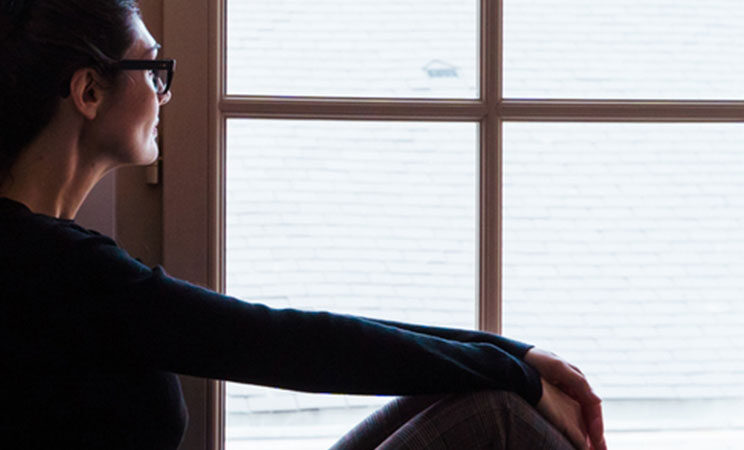
Why are mood problems so common in women, and what is different about our approach? We strongly believe that our biography interacts with our biology to write our emotional history — and current research is bearing this out.
For example, women may be born into situations where pain and anxiety prevailed, then grew up to replicate those circumstances because that is what feels “normal.” Many women with mood issues, had a chaotic and dysfunctional childhood, and this formed a blueprint of what feels normal for them.
Others may have suffered a series of unfortunate situational factors along the way that triggered mood dysregulation in its many forms. In terms of chemical imbalance, poor nutrition alone can send a stressed-out woman over the edge, and our environment is loaded with stressors, toxins, and endocrine disruptors that have shifted our collective neurochemistry almost irreversibly.
To add insult to this injury, we occupy a time and place culturally where the unofficial rules dictate that winners must squelch any negative psychosocial issues, while those who don’t are the “weak players” in life. Another prevailing philosophy is “Don’t worry — be happy” (not a “head case”).
All these factors when compounded explain the high incidence of depression and anxiety in our society. No wonder we make a headlong rush for the quick fix in the form of antidepressant and anxiolytic medication. If we buy into the conventional model, we can either take a pill or we can “learn to live with it.”
But women are smart. We know intuitively that life is just not that simple. We bravely play by the rules so we can “have it all,” but when life happens it isn’t always pretty. Our over-drive for success in the outer world can be a bypass for the inner work that allows us to traverse developmental milestones with the body, mind and spirit intact.
So, if self-care and inner work are necessary for making safe passage through life’s joys and sorrows, you might be asking: Aside from antidepressants, what options are there? There certainly are safe natural options — many of which have been shown in clinical trials to be equally, if not more effective than drugs!
Mood disorders aren’t all in your head — they develop as a result of neurochemical imbalances that disrupt your mood regulation pathways. When a woman relays her physical and psychological symptoms to us, our response is: Let’s look at what’s going on in your life that could be causing those symptoms. Imbalance is a consequence of a combination of life stressors, environmental factors, toxic load, your emotional history, genetic make-up, and present biochemistry.
The good news is that each of these stressors can be addressed by changes you personally can make in your life, one step at a time. There is hope, but to make progress you must perceive and treat yourself as a whole woman.
Through a comprehensive approach that integrates such measures as dietary changes, high-quality nutritional supplements, regular exercise, body work, and in some cases talk therapy and bioidentical hormonal therapy, the majority of women can begin to rewrite their emotional histories — with chapters that include a productive and emotionally fulfilled life. Read on for information on how you can begin to rewrite your personal story today.