


Reviewed by Dr. Sharon Stills, NMD
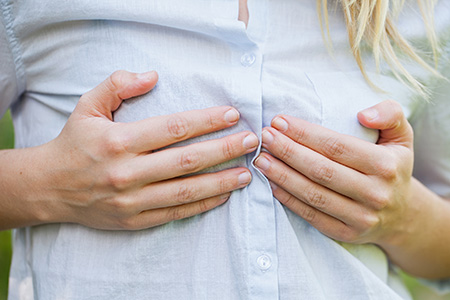
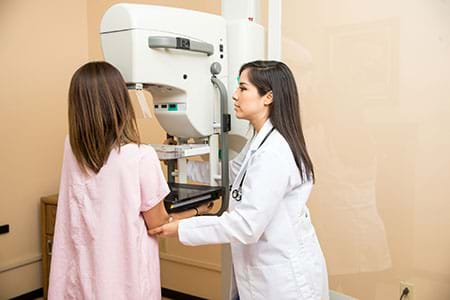
There are many causes of breast pain but the first fear for many women is that it’s a sign of breast cancer. Breast pain (mastalgia) is rarely a symptom of breast cancer though your first step is still to see your health provider for a breast exam and ultrasound, and most likely, peace of mind.

When you feel pain or something seems out of the ordinary, it’s a signal from your body and it’s always a good idea to pay attention to those messages. You’ll feel better once anything serious is ruled out. Women with breast pain can benefit from tracking it — when and where it occurs, etc. — to help reveal any patterns that might be related to the menstrual cycle or for women in their 40s other symptoms of perimenopause.
Figuring out that breast pain is cyclical can be enormously reassuring, even if you’re still uncomfortable. When you have any kind of pain, it helps to know what’s causing it, and why. Often that information leads you to good solutions and a better understanding of your body and how it works.
Breast pain and your menstrual cycle
The most common cause of breast pain is one or more changes to your sex hormones — estrogen, progesterone and testosterone — during your menstrual cycle. When breasts are stimulated by estrogen and progesterone during the second half of your cycle, they swell and can become lumpy and tender. Then with the arrival of your period, the uterus sloughs off its lining, and your breasts reabsorb the extra fluid instead of discharging it.
At different times your hormones can become a bit off balance and your breasts can be more tender and sensitive. Many women can often identify when they ovulate by the sensations in their breasts or nipples. For some women this sensitivity may mean having too little or too much estrogen, but for others it’s due to not having enough progesterone.
This type of cyclic breast pain can occur in both breasts, though it’s sometimes more one-sided than another. It is often felt more in the lateral aspect where there is more breast tissue. Breast pain may differ from month to month but it typically gets worse before a period and then lets up with menstruation.

Breast pain and perimenopause
Even if you haven’t experienced breast pain, sensitivity or swelling with your menstrual cycle, you may develop it as you begin perimenopause. This is due to stronger or more frequent hormonal fluctuations during the menopause transition.
Persistent breast pain for three out of four weeks of the month can indicate hormonal imbalance. For women in their 40s, breast pain is sometimes one of the first signs of perimenopause. For most women, breast pain will go away after menopause, but a small number of women may experience sensitive breasts into their 70s.
Additional causes of breast pain
Along with hormonal changes related to the menstrual cycle or perimenopause, other factors can contribute to breast pain or make it even worse:
- Hormone medications. The most common medications that cause breast pain are pills with hormones in them — either birth control pills or hormone replacement therapy (HRT). The amounts of either estrogen or progesterone (or both) may not be right for a particular woman, or she may react to the additives in the pill or the synthetic compounds.
- Other drugs. Some psychiatric medications or antidepressants may increase breast pain. Even some cholesterol-lowering and heart medications can cause breast changes.
- Stress. Being tense and stressed out can exacerbate breast pain, although we are still learning why. Scientists are only beginning to understand the links between the immune system, emotions and hormones. Everyone has different stress levels and stressors, but it’s true for us all that too much stress is not good for our health.
- Certain bras. If you wear a bra, it is important to wear one that fits well and is comfortable. If a bra is too tight it can pinch or rub against the skin which irritates the skin and breast tissue and leads to pain. Worst of all are underwire bras which may interfere with lymph flow and cause other issues. You can remove the wires from your bra fairly easily or just don’t buy them in the first place, especially if you have breast pain issues.
- Simple breast cysts. These fluid-filled sacs in the breast are common in women before menopause but they can happen at any age. Simple breast cysts come in many sizes and textures. They can swell and recede and sometimes cause pain. They often go away on their own, but if they persist, you can see your healthcare practitioner to evaluate your options, which can include draining the fluid from the breast cyst.
- Diseases. If breast pain persists for several months and does not appear to be cyclic, then a few standard medical tests, a chest x-ray, thyroid tests and a dental exam should be done to rule out other issues. Breast thermography is another option — it’s non-invasive and reveals a lot about the breast tissue and structure.

Natural treatments for breast pain that really work
The natural approach for dealing with breast pain is to help your body balance its hormones. We suggest you start by making dietary changes, adding targeted dietary supplements including omega-3s, Vitamin E, B vitamins and gentle endocrine support. Creating space in your life for exercise along with a structure for reducing stress are key lifestyle changes to consider, too. You get all these basic components in our Hormonal Health Program.
Another factor to think about is taking steps to reduce the estrogen in your body, including estrogen disruptors like xenoestrogens (natural or synthetic compounds that mimic estrogen) that are absorbed from the environment. These can have estrogenic effects once they get inside your body.
While this approach is very effective, many women need additional pain relief. Consider trying the following:
- Topical iodine. This can be bought over the counter in the grocery or drugstore and should be used on the skin only. Apply it in a quarter-sized area once a night on the painful breast until the brown spot persists overnight, or for one month. The iodine seems to have the effect of adjusting hormones just enough to keep the swelling down, or may be treating some subclinical virus or bacteria.
- Bioidentical progesterone support may also be helpful. Consult your healthcare practitioner for guidance.
- Lymphatic massage. A therapist trained in lymphatic massage can treat some types of breast pain by helping improve the lymph flow in your body even if you don’t have lymphedema or arm swelling. There are also some good self-massage techniques that can reduce pain and improve breast tissue quality. We like this one as demonstrated on YouTube. You can try breast massage techniques on yourself first, if you want.
- NSAID (nonsteroidal anti-inflammatory drugs such as Motrin or Advil) creams. At least two randomized, blinded, placebo–controlled studies found NSAIDs cream to be effective and safe for breast pain. Unfortunately these creams are difficult to find over the counter in the US and are available only by prescription or from a compounding pharmacy.
- Castor oil packs. These are simple, natural remedies that help loosen up the breast tissue. A side benefit is they also require a woman to take at least 20 minutes to rest while they’re being applied to the painful breast. You can buy a kit online or use our guide to make your own.
- Diet changes. Cyclic breast pain can be made worse by what we eat or drink. Consider limiting caffeine because it contains a chemical called methylxanthine that causes blood vessels to dilate. (Note: caffeine is in lots of things besides coffee, including certain foods and medications.) Diets high in salt increase swelling by causing fluid retention that puts a strain on the breast tissue. There is also some evidence that fatty foods — mostly animal fats — contribute to breast pain.
- Emotional factors. How you feel emotionally can lead to or create pain. It’s important to try and identify the source or cause of your pain and deal with it specifically so you can let go of fear and worry at the same time. Sometimes reassurance that it isn’t something bad is enough to help release stress.
While some breast pain is still mysterious, women don’t have to stay locked in a state of anxiety about what’s causing it. First off, get it checked out to ease your mind and validate your concerns. Find someone who will listen to you and offer reassuring solutions because, after all, your breast pain isn’t all in your head.