




What is Adrenal fatigue? Symptoms, causes and natural treatment for women


Reviewed by Dr. Sharon Stills, NMD
Over half of all women suffer symptoms of hormonal imbalance that are rooted in stress. The reason why is simple: women live lives mired in chronic stress that our bodies just aren’t biologically designed to handle.

Table of contents
- What is adrenal fatigue?
- Symptoms and signs of adrenal fatigue in females
- The best adrenal fatigue treatments
Your body is pre-programmed to react to stress in a way that protects you from danger. This “fight-or-flight response” is an ancestral system based on the idea that stress is temporary. You encounter danger, your adrenal stress response kicks in to help you escape it, and then you get to relax and recover.
In modern life, however, stress doesn’t just show up in isolated incidents. Instead, it’s everywhere, all the time, and we’re so busy that we rarely have enough time to recover before the next stressors show up.
As a result, stress hormone production in the adrenal glands is constantly churning, leading to real damage to the body’s delicate hormonal balance.
Cortisol, the major stress hormone, is often the villain. Excess or high levels of cortisol can throw your whole endocrine system off-balance. If you’re suffering from fatigue, insomnia, anxiety, burnout or a host of other similar symptoms, you may have some level of adrenal dysfunction or full-blown adrenal fatigue.
That said, conventional medicine has unfortunately been slow to recognize the pivotal role of adrenal health in overall health. If you show up at your doctor’s office complaining of stress-related symptoms, you may be told it’s all in your head. The good news? Alternative doctors are usually well-versed in simple steps you can take to restore healthy adrenal function.
As you start to piece together what’s going on in your body, I want you to know that your adrenal function is vulnerable to many factors, including stress — but the right diet, supplements, exercise and other lifestyle measures can help put it back on track.

Learn more about your adrenal glands, the destructive effects of chronic stress, and the role of the stress hormones, cortisol and adrenaline. And then find out what you can do to feel like yourself again.
What is adrenal fatigue?
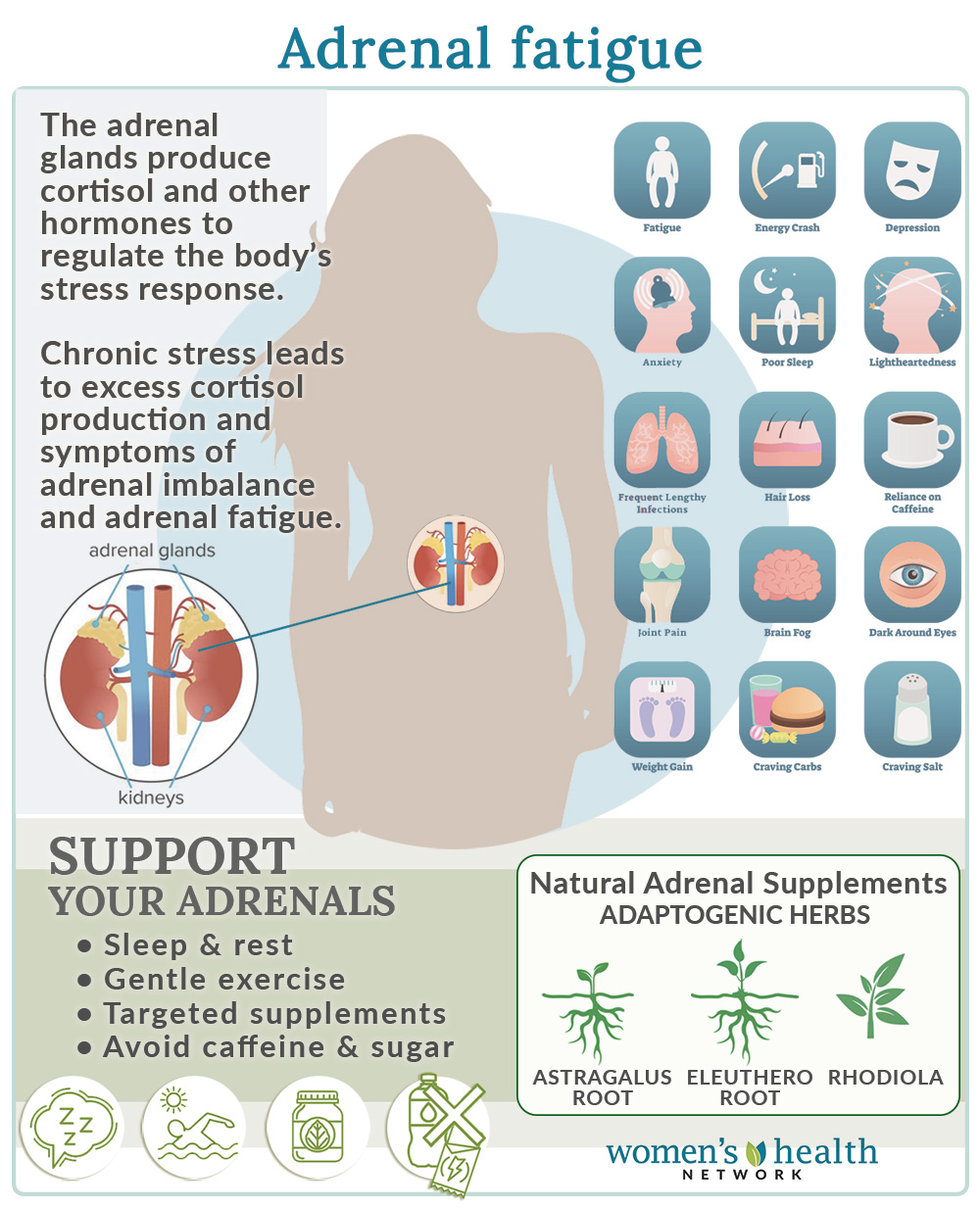
Adrenal fatigue is a symptom-based syndrome tightly linked to chronic stress — both physical and emotional. Being under stress day after day, week after week, forces the adrenal glands to work overtime pumping out the hormone cortisol at emergency levels.
What is the root cause of adrenal fatigue?
Cortisol is important for survival, but it’s meant to be released just during short periods and only when really needed. It becomes a problem when cortisol levels stay high because of chronic stress: elevated cortisol puts you at higher risk for a wide range of symptoms, including some you may not suspect. (See graphic above.)
Then, over time, in a classic domino effect, the adrenal glands’ production of cortisol can’t keep up with demand for it, and levels drop, along with those other hormones that depend in part on the adrenals, such as thyroid, estrogen, progesterone and testosterone. When your body is in “survival” mode, sex hormone production also takes a back seat. Both of these factors can cause sex hormones to be in flux, which causes even more symptoms, especially if you’re already in perimenopause or menopause.
Other health concerns, like depression, fibromyalgia and hypothyroidism, can cause symptoms similar to those of adrenal stress. These types of issues are in fact often related to underlying adrenal problems — typically either triggered or worsened by an adrenal imbalance. It’s no surprise that supporting your adrenal function often works wonders for your overall health.
The limits of conventional adrenal testing
If you’re worried that your adrenal glands aren’t functioning properly, you probably want to know if there’s a test for that. The frustrating answer is that the current conventional testing protocol for cortisol only calls for evaluating the extremes of adrenal imbalance that require immediate medical intervention: Addison’s disease, when cortisol production is severely deficient, and Cushing’s syndrome, when cortisol production is excessive.
If your test results fall between those high and low cut-off points on the test — even if you’re very close — you’ll probably be told that your adrenal function is normal, no matter how many symptoms you have. Saliva tests for adrenal function typically measure cortisol at different times of the day and can therefore pick up more subtle imbalances, but many conventional practitioners are unaware of them or don’t trust them.
Is adrenal fatigue real?
Conventional doctors tend to ignore problems that may be developing in the adrenals simply because they lack training in recognizing where their patients might be on the spectrum between Addison’s disease and Cushing’s syndrome. This can happen no matter how many telltale adrenal dysfunction-related symptoms — from extreme tiredness to weight gain and food cravings to light sensitivity — you may have.
However, just because something isn’t pathologically diagnosed in mainstream medicine doesn’t mean it isn’t real. The approach of naturopathic medicine is very different, not only recognizing adrenal fatigue, but also understanding that the best indicator of your adrenal health is whether you are feeling well — or not. Your symptoms are your best guide to choosing an approach that will help you feel better.
Symptoms and signs of adrenal fatigue in females
Adrenal fatigue develops over time in response to chronic stress. The longer it goes on, the more likely you are to develop symptoms. If you’re used to a stressful lifestyle, you might think you’re handling stress well. But in adrenal fatigue, your body may be telling you a different story.
Symptoms and signs of adrenal fatigue in females include:
- Fatigue/Exhaustion (often feeling tired in the morning)
- Insomnia
- Weight gain (especially midsection weight gain)
- Cravings for salty or sugary foods
- Brain fog
- Lightheadedness
- Anxiety
- Intense irritability
- Depression
- Fuzzy thinking
- Reliance on caffeine to “get through the day”
- Afternoon energy crash
- Feeling suddenly alert later in the evening
Adrenal fatigue contributes to hormonal imbalance
Adrenal fatigue and adrenal stress symptoms are often intertwined with other hormonal imbalances. Women in their 40s and beyond who find themselves tired, tense and stressed-out usually suspect their symptoms are caused by perimenopause. But even when women are on the cusp of menopause, adrenal stress can be the driving force behind more difficult symptoms.
All hormones are connected to and affect one another, but “major” hormones like cortisol have the greatest impact on hormonal balance. As levels of stress hormone become imbalanced, other parts of your endocrine system can be disrupted, amplifying symptoms and creating further problems.
This adrenal connection to other hormones helps explain why the effects of stress can show up in such a variety of unpleasant ways. First taking care of your adrenal problems makes it easier to resolve other hormonal imbalance problems — including menopause symptoms.
Types of adrenal fatigue in women
Most women suffering from adrenal fatigue experience symptoms that usually fall into one of three categories along a spectrum of fatigue: “wired,” “tired and wired” or “tired.” As adrenal imbalances worsen, women may move through these stages until they reach the point of near exhaustion.
Your type of adrenal fatigue determines what kinds of symptoms show up and how you will find relief and restore healthy adrenal function.
Common adrenal fatigue symptoms for “wired” women (high cortisol)
When you have a “wired” type of adrenal imbalance, your body is creating and responding to a constant flow of cortisol and other stress hormones. This can cause you to remain in active mode, feeling antsy and “ready to go.” You may be periodically overwhelmed by fatigue, but sleeping feels like a waste of time because you have so much to do.
Many “wired” women don’t realize that their bodies are sending out warning signals with symptoms.
Symptoms of high cortisol in women:
- Difficulty falling asleep or staying asleep, anxiety at night
- Feeling driven or “speedy” all day
- Anxiety, panic attacks, easily startled
- Racing thoughts, scattered thinking, inability to focus on one task
- PMS, difficult menstrual periods, hormonal shifts of perimenopause or menopause
- Fluid retention
- Low libido
- Thyroid issues
- Anger
- Depressed feelings
- Abdominal weight gain
- Food cravings, tendency to eat a lot of calories at night
- Frequent colds or infections due to a suppressed immune system
- High blood pressure
Common adrenal fatigue symptoms for “tired and wired” women (dysregulated cortisol)
Generally, women who are “tired and wired” experience different versions of “wired” symptoms, along with “tired” symptoms that seem almost like a contradiction. If you fall into this category, under the surface, your adrenal glands aren’t regulating stress hormones well. Cortisol is normally highest in the morning, and then gradually decreases over the course of the day. If you’re “tired and “wired,” your adrenals probably don’t produce enough cortisol in the morning, but then may produce too much near the end of the day when you should be winding down. You can’t get up in the morning — but you can’t sleep well at night either.
“Tired and wired” symptoms can include:
- Trouble falling asleep, but also difficulty waking up in the morning
- Exhaustion throughout the day
- Reliance on caffeine to keep going during the day
- Waking during the night with heart-racing anxiety
- Weight gain
- Low libido
- Thyroid issues
- Digestive difficulties
- Anger
- Sadness
- Thinning hair
- Low blood pressure, dizziness
- Cravings for salt and sugar
- Weakened immune system
Common adrenal fatigue symptoms for “tired” women (low or insufficient cortisol)
We use “tired” to describe the final type of adrenal imbalance — complete exhaustion. In this stage, your adrenal glands have been pumping out extra cortisol for so long that they’ve become exhausted. They can’t produce stress hormones in the quantities you need to feel energized or even alert. As a result, you feel completely fatigued, from morning to night.
“Tired” includes the following symptoms of low or insufficient cortisol:
- Tired even after a night’s sleep
- Complete lack of energy
- Feeling high-strung and jumpy despite fatigue
- Intense cravings for salty foods, sweets or refined carbohydrates
- Allergic sensitivities, inflammation
- Caffeine dependence
- Exhaustion and shakiness after skipping a meal
- Unexplained weight gain that seems impossible to shed
- Feeling overwhelmed by relatively minor challenges
- Mild depression
- Fuzzy thinking/forgetfulness
- Low libido
In addition to causing these symptoms, advancing adrenal imbalance may also be a factor in fibromyalgia, hypothyroidism, depression and other serious conditions.
Women with adrenal issues often have sleep and caffeine issues
For so many of us, it’s not just that we enjoy our cup of coffee in the morning or that it’s a comforting ritual. It’s also that we need that caffeine to function!
If you’re tired and you introduce caffeine, it will “wake up” your adrenal glands and force them to produce cortisol. As a result, you’re going to feel as if you have energy. But it’s false energy and it’s temporary.
Caffeine disrupts the regular rhythm of cortisol. In effect, it distances you from your natural energy cycles, tricking your body into a state of emergency or high cortisol — which ultimately makes you feel even more tired.
If you use caffeine to offset fatigue, your solution may actually be part of the problem — that energy boost is going to lead to an energy crash and adrenals that are even more tapped out.
Hand in hand with caffeine dependency is often cravings for sugary simple carbohydrates. Because they quickly break down and raise your blood sugar, these carbs are doing the same thing that caffeine does — providing you with a quick spike of energy that ultimately leads to even more fatigue.
Sleep issues are another hallmark of adrenal fatigue, especially trouble falling asleep and staying asleep. And again, it’s all driven by an imbalance of cortisol.
Cortisol naturally rises and falls in concert with the circadian rhythm, but a bad day at work, relationship difficulties or even staring at an electronic screen for hours can cause unhealthy spikes in stress hormone that can keep you up and alert (and usually with your mind racing) for hours.
Long-term chronic stress is especially detrimental for sleep, keeping you up night after night and leaving you exhausted when it’s time to get up in the morning.
And of course, what’s the first thing you reach for after another sleepless night? Coffee. This creates a fatigue-stress-insomnia cycle that becomes difficult to break.
How is adrenal fatigue different from just being tired all the time?
Let’s look a little more closely at fatigue. There are many different reasons you could be tired. When tired patients come to see me, adrenal fatigue is definitely up there as a possibility right from the start, but among other common reasons, the tiredness could also be due to a sluggish thyroid.
The thyroid and the adrenals are intimately connected, so here’s an important functional medicine tip if you are being treated for a thyroid dysfunction with a thyroid hormone: make sure you also have your adrenals checked. Treating the thyroid without supporting the adrenals will further deplete the adrenals. So always be sure to ask to have your adrenal function looked at whenever thyroid issues are present.
You could also be tired all the time because you’re low in iron. So, getting a full iron blood panel done can help. Maybe you’re tired because you’re burning the candle at both ends and just not getting enough sleep. Or you’re not getting enough physical activity. You could also be stressed out and emotionally drained. Physical symptoms, especially from chronic inflammatory conditions like arthritis, can also make you tired all the time.
As we’ve been talking about, being tired is a prime side effect of adrenal imbalance. However, because there are so many different reasons for being tired, getting the proper diagnosis is important so you can get the proper treatment.
How many symptoms are you experiencing?
Women are often responsible for balancing the needs of our own work, home and family, and can wind up taking more care of others than ourselves. The negative impact of the stress we experience can build until it bursts out in miserable symptoms, crushing fatigue and health problems.
If you suspect that adrenal stress and fatigue are behind your symptoms, take our Adrenal Stress and Fatigue Quiz to understand the stress your body is experiencing right now. It’s the first step to feeling better and more like yourself.
The best adrenal fatigue treatments
The natural approach to adrenal health
Conventional medicine is still looking for a drug to cure extreme fatigue. But a pharmaceutical solution isn’t a good idea or even necessary for the vast majority of women who need to support and rebalance their adrenals. Whether you’re wired all the time because of stress and can’t wind down, or you’re barely able to get out of bed due to fatigue, the good news is that you can use a natural approach to find relief from adrenal fatigue.
Unlike prescription medications that usually just mask symptoms, the natural approach helps break the existing patterns your body has developed as it reacts to negative stress. By combining simple changes in your nutrition, supplements and lifestyle, you can adjust your body’s overall response to stress to dramatically reduce — and even completely eliminate — symptoms such as fatigue, irritability, weight gain and more.
If you’re experiencing adrenal stress symptoms, restoring balance to your adrenal function can help you feel calmer and more energized. Since adrenal dysfunction occurs on a continuum, it’s a good idea to take action now before you feel even worse.
Based on the results of the thousands of women Women’s Health Network has helped with their adrenal issues, here are the three most important questions to ask to start better supporting your adrenals:
- Where is your stress coming from and how are you dealing with it?
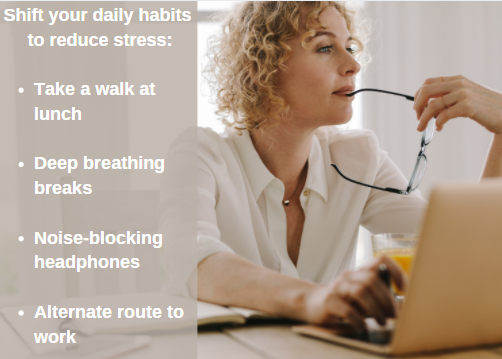
You may be unaware of how much stress you’re under until you look at the usual suspects: job and work environment, home life and family dynamics, love relationships, finances, illnesses, etc.
Though you might not be able to change some of these, you may be able to respond to them differently. Take each stressor one at a time and create a mini-plan to dial back the stress each one causes. Even minor shifts in daily habits — a walk at lunch, regular deep breaths, noise-blocking headphones, a different route to work — can significantly reduce your stress burden.
- Are you paying attention to your exercise and sleep patterns?
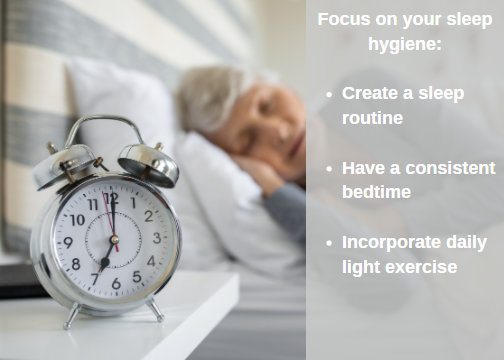
When you have adrenal fatigue and stress symptoms, exercise may seem out of the question. And while you should listen to your body, gentle movement or light exercise can help defuse tension and supply energy you didn’t know was available.
Since your body repairs itself when you’re resting, go to bed an hour earlier than normal every night for a few weeks. Your body will start to recognize this as a signal to begin the winding-down process. You may be able to get to sleep more quickly and stay that way through the night.
- Are you eating adrenal-friendly foods and supplementing with the right herbs?
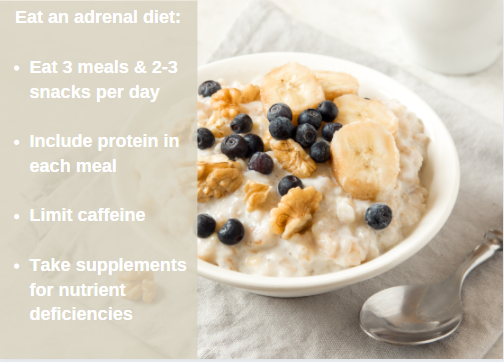
For adrenal health, few things are as important as diet. Eat SOMETHING for breakfast (ideally protein-based and without sugar), and enjoy good quality snacks regularly during the day. Add at least one vegetable serving to every meal and swap sugary foods for fruit. Be rigid about getting enough protein every day, and support your adrenal glands with natural supplements formulated with adrenal-specific herbal extracts. Some products help with energy and others promote relaxation.
Herbs that are effective in resolving adrenal imbalance:
- Astragalus root — to support the immune system and help protect the body from physical, mental or emotional stress.
- Siberian ginseng — to reduce fatigue, increase energy and enhance mental clarity. Also widely used to boost the immune system and immune system response.
- Rhodiola — to improve response to physical stress, enhance immune function and reduce fatigue.
- Cordyceps — to replenish immune system function and promote overall good health. It also appears to act as an antioxidant in the body, protecting against free-radical damage.
- Passionflower (Passiflora incarnata) — to calm anxiety and help with insomnia. Neuroscientists believe it works by increasing the availability of the “relaxing” chemical, GABA (gamma-aminobutyric acid).
Top 5 things you can do to feel better if you have adrenal fatigue
Sleep and rest – Honor the rhythm of your body by not overbooking yourself or making your calendar so busy that you’re constantly on the go without a moment of rest. Try starting your day with yoga or another gentle practice, like meditation or a walk in your neighborhood.
In the midst of your busy schedule, pencil in downtime during the day and start saying “no” more often to extraneous obligations that put you on overload. The school bake sale can still go off without a hitch without your famous homemade cookies that take you hours to make.
If there is something extra stressful that you must do, try to do it at a time when you will have time afterwards to relax and recover. So, that stressful meeting with your boss? Schedule it for just before a long and leisurely lunch in order to give your stress response a chance to turn back off.
Also, make sure you sleep during the right hours. Be in bed and sleeping by 10:00 or 10:30 PM at the latest. If you need to unwind, or it takes you awhile to fall asleep, then get to bed at 9:00 or 9:30 PM. Your night of sleep sets the stage for how easily you’ll handle stressors the next day. Make sleep a priority.
To help you sleep, try drinking soothing chamomile tea at the end of the day, or soak in an Epsom salts bath, or consider a relaxing herbal supplement to naturally help you wind down.
Avoid caffeine – If your adrenals are tired, you need to let them replenish naturally. As explained above, caffeine takes you up but then it drops you way down. I know it’s hard to give up this habit, so use these easy tips to help you detox from caffeine without the side effects.
After you’ve kicked caffeine, put your focus instead on hydrating throughout the day with water and soothing teas. Make sure you drink at least half your weight in ounces daily. Dehydration can contribute to fatigue, so drink up!
Eat well and often. Since hunger naturally signals your adrenal glands to release stress hormones, don’t skip meals or let yourself go too long without eating. Intermittent fasting may be too stressful to your body to try right now. Following an adrenal fatigue diet — eating certain foods, and eating at specific times of the day — can help your body recover its natural cortisol rhythm. Avoid the “crash and burn” that follows sugar, white flour and caffeine.
Get targeted supplements – Adrenals need a steady supply of B complex vitamins and Vitamin C for optimal function. For repair, feeding your adrenals adaptogenic herbs like rhodiola and astragulus, will help them recover and give you a steady increase in energy. You can also target certain issues, like sleep issues, with a high quality sleep supplement that includes natural adaptogenic herbs like Passionflower and soothing L-theanine. Our Serinisol formula includes both of these calming plant compounds.
Modify your exercise routine if you feel drained by it. Some women feel great after they exercise. If this is you, stick with it. But others feel exhausted by exercise. Since your adrenals are stressed, take it slowly. Mornings are best for aerobic exercise because your cortisol is naturally at its highest, but keep your heart at or below 90 beats per minute. Try relaxing walks, yoga or any kind of exercise that recharges you rather than drains you. Keep checking in with how you feel.
Healing your adrenals is possible but it takes time
It took a lot of time for your adrenals to get where they are, and so it’s going to take time to heal them. Remember to be kind to yourself during this process of supporting your adrenal function and returning it to good health.
Ready to get started? You can take our Adrenal Stress & Fatigue Quiz to find out more about your adrenal status. Then you’ll understand how to put yourself on the road to having healthy adrenal function and a return of a rested, vibrant you.