

Reviewed by Dr. Mary James, ND
Alternative medicine can describe almost anything outside the conventional Western medical model. In the conventional model, you’re seen by “specialists” — gastroenterologists for digestion problems, orthopedists for joint pain, psychiatrists for depression and so on. With alternative medicine, your body’s systems are seen as interconnected and dependent on each other in order to create good health, and prevent illness.
Alternative Medicine
Everything old… is new again.
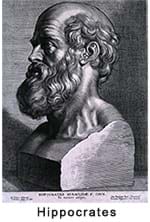
Did you know that alternative medicine dates back much further than conventional medicine? In fact, many systems are thousands of years old.
As early as 400BC, Hippocrates himself — the “Father of Western Medicine” — believed that attitudes and emotions affect physical health.
When the scientific method was introduced by René Descartes around the 16th century, it became the driving force that shaped health care into the conventional approach we’re familiar with today.
By the early 1900s, some practitioners explored alternative and more ‘holistic’ philosophies of Eastern medical approaches: the body, mind, emotions and spirit are interconnected. Imbalances between these elements are thought to encourage illness. Symptoms are seen as information that can help reveal the imbalances.
Today, alternative medicine is making more sense to patients as an important complement to traditional medicine. It can offer the opportunity to understand and resolve many health issues at their root source.
Western medicine generally views symptoms as problems to be treated with drugs and/or surgery. But many people want more than temporary relief for symptoms — they want to identify and resolve whatever’s causing those symptoms right at its starting point.
Alternative, complementary and integrative medicine — what’s the difference?
“Complementary” medicine is practiced by medical doctors who have added some natural therapies to their protocols. Practitioners of “integrative” medicine take it a step further by insisting that any complementary options be solidly “evidence-based” or proven by studies.
Conventional medicine can be lifesaving for emergencies, injuries or infections. As healthcare practitioners modify their philosophies of treating chronic illness, the edges between different approaches are becoming less distinct. This can make the healthcare terrain difficult to navigate!
It’s good to become acquainted with some of the systems and techniques that are available to determine what suits your needs best. In addition, regulations, certification and licensing for different systems of medicine vary between states so we recommend caution when it comes to extravagant health claims made for any therapy.
Systems of alternative medicine — a sample of what’s available
Traditional Chinese Medicine (TCM) / Traditional Oriental Medicine (TOM): As the standard of care in Asia for over 3000 years, TCM combines acupuncture, diet, and herbal remedies with physical movement (qi gong and t’ai chi). In Japan, massage (known as shiatsu, or “finger-pressure”) is also incorporated. Asian doctors view the body as an intricate web of organs interconnected by channels, or meridians, through which universal energy (chi, or qi) flows. Healthy bodies have a dynamic balance of yin and yang energy — based on opposites that occur in nature (female/male, moon/sun, etc.). According to TCM, disease arises when the flow of qi is blocked and balance is disturbed, either within the body or between the body and its environment. Imbalances are detected by examining a patient’s pulse, tongue, and other indicator areas of the body. Disease is prevented and health is maintained by restoring balance and flow, and by strengthening organs that are weak.
Ayurveda: Originating over 5000 years ago in India, Ayurvedic medicine predates all other known medical systems. It emphasizes the mind-body-spirit connection, and its five basic elements — ether (space), fire, water, earth and air — correspond to our five senses. Diagnosis is very individualized: Ayurvedic doctors believe that prana — or life force — responds to treatments differently in each person. Healing and preventive regimens are customized specifically around a person’s body and spiritual type, or dosha (classified as vata, kapha, and pitta), which govern the functioning of the body, mind and spirit. Ayurvedic medicine encompasses meditation, yoga, bodywork, aromatic oils, diet and medicinal herbs to foster balance within the body and to cleanse impurities.

Homeopathy: Established in early 18th century Europe, homeopathy is based on the ancient law of similars: the same substances that cause an illness will cure it when administered in infinitesimal doses. Remedies have variable potencies and preparations. Using diluted remedies from natural sources, homeopaths treat and prevent illness using one medicine at a time. They use the lowest dosage possible to produce stimulation of a person’s “vital force.” Combination low-dose remedies are available for different health problems, along with classical single remedies chosen for each patient. Licensed homeopaths are often acupuncturists, naturopaths, herbalists, DOs and MDs.
Naturopathy sees the body as innately capable of recovering from injury and disease, and that health is our natural state. The goal of treatment is not to suppress symptoms, but to remove the underlying cause of illness and support the body’s ability to achieve a healthy balance. Most naturopathic doctors (NDs) use various natural methods to promote health in body, mind and spirit, including homeopathy, herbal medicines, acupuncture, nutrition therapy and bodywork. Treatment is individualized and prevention is emphasized. Founded on a medical regimen of hydrotherapy, exercise, fresh air, sunlight and herbal remedies, this system now includes a wide spectrum of holistic practitioners. Note: the term “naturopath” is used by a wide assortment of practitioners so verify any practitioner’s education.
Osteopathy: Osteopathic physicians (DOs) are trained and licensed as rigorously as conventional medical doctors (MDs) though osteopathic medicine treats the whole person by focusing first on preventive care. Osteopathy is considered “holistic” but it is not an “alternative” modality. Osteopaths in the U.S. serve medical residencies, hold unrestricted licenses to prescribe drugs, and frequently perform surgery. Osteopathy is sometimes confused with chiropractic medicine because it includes spinal manipulation and craniosacral techniques, but the differences are vast. Emphasizing the neuro-musculoskeletal system, osteopaths promote health by balancing the energy between the organs, and paying attention to the connection between mind and body.
Chiropractic: This system is based on the concept that health stems from the unimpeded flow of nerve impulses from the brain and spinal cord to other parts of the body. Misalignments or restricted mobility of the vertebrae in the spine — which chiropractors call subluxations — can disrupt this flow and are corrected with spinal adjustments or manipulations. Other joints may also be adjusted. Chiropractors also use natural remedies such as nutritional supplements for adjunctive healing and prevention, and they must be licensed.
Functional Medicine developed in response to the rise in complex chronic illness and the limitations of conventional medicine in treating it. Functional medicine practitioners trace health problems to underlying imbalances in function within a person’s physiology. Restoring health involves identifying these imbalances and correcting them through a combination of diet and nutrition, lifestyle modification, and specific supportive measures. Functional medicine practitioners see everyone as unique, with all bodily systems interconnected. The external environment is viewed as no less influential than the internal environment. “Health” means achieving optimal wellness, not just eliminating symptoms.
Body-based therapeutic techniques and how they work
The following is an alphabetical list introducing some of the most popular body-based techniques used by various healthcare practitioners. They may be used alone or in combination.
Acupuncture: One of the main elements of Traditional Chinese Medicine, acupuncture is now widely accepted in Western medicine to treat pain, nausea, and many other conditions. During treatment, tiny needles are inserted at specific points along body’s meridians to stimulate the flow of qi and restore balance. Studies support acupuncture’s effectiveness for many women’s health issues, such as menstrual cramps and menopausal symptoms.
Aromatherapy: Aromatherapy uses the inhaled aromatic essences of certain plants to stimulate the brain to promote healing in the body, mind and spirit. For example, when the aroma of lavender oil is inhaled, it relaxes the nervous system. Essential oils have widespread effects. They can stimulate the limbic system and emotional centers of the brain, activate thermal receptors on the skin, act as natural antibiotics and fungicides, and possibly enhance the immune response in other ways not fully understood.
Bach flower remedies: In the 1930s, Edward Bach, a British bacteriologist and homeopath, developed a line of plant essences that he claimed could correct negative emotional states to balance the entire system. Each of the original 38 essences corresponds to a specific tendency or emotional state. Rescue Remedy is a well-known formulation. Flower essences do not contain the actual molecular structure of the original plant but retain the “spirit” of plant’s healing qualities.
Chelation therapy: Chelation uses synthetic substances that bind, or chelate, heavy metals and minerals as they travel through the bloodstream. The complex is then excreted through urination. Chelation therapy is controversial. Although the FDA approves the specific use of EDTA (ethylenediaminetetraacetic acid) for treating lead toxicity, some doctors also use EDTA to remove calcium deposits in atherosclerosis. A variety of chelating agents target different toxic metals, and may be administered intravenously or orally. Because chelation therapy also removes essential minerals, nutritional replenishment is critical.
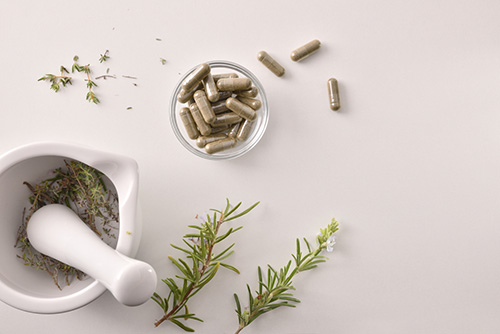
Herbal remedies: The ancient practice of herbal medicine, also called botanical medicine or phytotherapy, is used by in all these schools of medicine. Roughly 80% of people worldwide use herbal remedies. In Germany, where they are more accepted and better regulated, herbal remedies are routinely prescribed for patients by 70% of doctors. Herbs provide the basis for many prescription drugs. Herbal remedies are available in a variety of forms, and are administered by most kinds of natural health practitioners.
Hydrotherapy: Using the application of hot and cold water to stimulate circulation, hydrotherapy also revitalizes the system, “tonifies” (increases the available energy of) the organs, and promotes the elimination of toxins. Hydrotherapy is often used by naturopathic doctors and includes cold and hot immersion baths, sitz baths, mud baths, steam baths, saunas, vigorous showers, salt rubs, hot/cold packs, foot baths, douches and colonic irrigation.

Massage: One of the oldest forms of healing, massage therapy is used alone or in conjunction with other treatments to alleviate stress, tension, and soreness, and to increase blood flow to the muscles. Some forms claim to detoxify, while others are to open blocked energy channels through the application of pressure on certain points in the body. Types of massage include Swedish massage, sports massage, Rolfing, shiatsu, and reflexology, among others.
Movement and exercise therapy: Treatments include various forms of yoga, Pilates, physical therapy, Alexander Technique, and Feldenkrais, among many others. These therapies promote circulation, elimination, and flexibility, while easing chronic pain and any postural misalignment that interferes with mobility. Some techniques, such as yoga, use exercises as a means to unite mind, body and spirit.
Nutrition therapy: Practitioners using nutritional therapy believe that health and disease are determined mostly by what we eat. There is a wide variety of philosophies and approaches, and treatment consists of dietary modification and, secondarily, nutritional supplementation. Many healthcare practitioners combine nutrition with other treatments though clinical nutritionists and dieticians focus solely on nutrition. Practitioners are certified by the Certification Board for Nutrition Specialists.
Reiki/energy medicine: Reiki involves the ‘laying on of hands’ to enhance health in a person’s body, mind, emotions and spirit. Roughly translated as “spiritually-guided life force energy,” Reiki sees practitioners as “funnels” for universal life force energy to pass through touch to patients. Benefits include a sense of relaxation, peace and well-being.
Therapeutic touch: This energy medicine involves the practitioner’s hands moving over a person’s body, often without direct contact, in order to clear energy blockages and promote healing. Therapeutic touch works with a person’s individual energy field, a concept rooted in the Chinese concept of Qi, the Ayurvedic principle of prana (life force), and the ancient practice of hands-on healing. Numerous studies have shown its efficacy in decreasing pain and anxiety, reducing the need for medication post-surgery, and increasing hemoglobin levels. It is now part of the core curriculum at many nursing schools.
Mind-body connection techniques
The following techniques can heighten awareness of the connection between the conscious and unconscious mind, as well as emotions, outlook and physical state. They are often used with body-based therapies and address healing and prevention.
Biofeedback/neurofeedback: Both techniques developed to help people overcome various forms of stress-related habits, illnesses, symptoms and phobias. In biofeedback, electronic monitors increase awareness of physiological activity in a person’s muscles. As a result, otherwise automatic physical responses to tension and stress, such as heartbeat and blood pressure, can be controlled better. The efficacy of biofeedback for essential hypertension has been well established in clinical trials. Neurofeedback requires a higher level of training and relies on brain wave readings to modify a person’s brain activity, mood, sleep and focus.
Emotional Freedom Technique (EFT): Developed by Gary Craig, EFT is the “emotional version of acupuncture.” It uses sequential tapping of the energy meridians rather than needles to unblock energy, and treat physical and emotional imbalance. Once EFT is learned, it can be used by anyone, just about anywhere, to counter pain, cravings, negative emotions, and complex problems, as well as to reinforce positive behavior. Those with the worst problems have greater success rates with the guidance of trained practitioners.
Guided imagery: This harnesses the imagination to create a “construct of reality” that can provide powerful yet gentle insight into the unconscious mind. Using highly personalized themes, guided imagery invokes not just visualizations but also taps into sounds, smells, and tactile experiences, and the body responds as though they were real. Studies show that a biophysical response to positive imagery can effectively override the hardwiring of ingrained thought patterns and habits to help create better health and allow a person to attain otherwise unreachable goals.
Hypnosis: A technique that leads to an altered state of consciousness, hypnotherapy can be administered either through the help of a trained practitioner or on one’s own. It can be used for behavior modification (e.g., smoking cessation), to treat trauma and phobias, or to relieve chronic or symptomatic pain such as in childbirth.

Meditation: A pillar of Ayurvedic medicine, meditation gently steers the mind away from distracting thoughts to reduce stress and anxiety, and conditions like high blood pressure. Meditation comes in many forms and all involve focusing either on the breath or a “mantra” (a single word repeated silently) in order to experience and stay in the present moment. It’s often a companion to physical exercise such as yoga. Hundreds of studies have documented the effectiveness of Transcendental Meditation™ to dissolve stress and reverse stress-related conditions.
The Relaxation Response: Pioneered by Herbert Benson, MD, a Harvard internist, this involves attaining a state of deep relaxation that enables a person to counteract the negative effects of pain, anxiety and stress. Using mind/body exercises to achieve a meditative state, the Relaxation Response has been used successfully for years to help people overcome both physiologically and psychologically-based problems, including high blood pressure, addiction, and even some stress-related infertility issues.
Spiritual/psychic healing: Prayer, touch, and other religious rituals that defy medical understanding have been used successfully throughout history to cure physical and mental illness. Practitioners channel beliefs and create a special link between the patient and a superior consciousness to effect change. Many studies on the efficacy of prayer in healing have been published in peer-reviewed journals. Dr. Larry Dossey has helped to legitimize prayer’s healing effects within conventional medical circles.
National Center for Complementary and Integrative Health. Traditional Chinese Medicine: An Introduction. Updated October 2013. NIH Web site. https://nccih.nih.gov/health/whatiscam/chinesemed.htm. Accessed June 15, 2015.
Sodhi V. Ayurveda: The Science of Life and Mother of the Healing Arts. In: Pizzorno JE, Murray MT, eds. Textbook of Natural Medicine. 4th ed. St Louis, MO: Churchill Livingstone; 2013: 248.
Ullman D. A Condensed History of Homeopathy. Excerpted from Discovering Homeopathy: Medicine for the 21st Century. Available at: https://tinyurl.com/mzwr2lk. Accessed June 15, 2015.
The American Association of Naturopathic Physicians. Definition of Naturopathic Medicine. Amended 2011. AANP Web site. https://www.naturopathic.org/content.asp?contentid=59. Accessed June 15, 2015.
American Association of Colleges of Osteopathic Medicine. What is Osteopathic Medicine? AACOM Web site. https://www.aacom.org/become-a-doctor/about-om#aboutom. Accessed June 15, 2015.
American Chiropractic Association. What is Chiropractic? ACA Web site. https://www.acatoday.org/level2_css.cfm?T1ID=13&T2ID=61. Accessed June 15 2015.
Jones DS, Bland JS, Quinn S. What is Functional Medicine? In: Jones DS, ed. Textbook of Functional Medicine. Gig Harbor, WA: The Institute for Functional Medicine; 2010: 5.
National Association for Holistic Aromatherapy. What is Aromatherapy? NAHA Web site. https://www.naha.org/explore-aromatherapy/about-aromatherapy/what-is-aromatherapy. Accessed June 15, 2015.
The Bach Centre. Guide to the Remedies. Available at: https://www.bachcentre.com/centre/hemedies.htm. Accessed June 15, 2015.
University of Maryland Medical Center. Herbal Medicine: Overview. Updated May 7, 2013. UMM Web site. https://umm.edu/health/medical/altmed/treatment/herbal-medicine. Accessed June 15, 2015.
Wong C. Different Types of Hydrotherapy. Updated January 7, 2015. Available at: https://altmedicine.about.com/od/therapiesfrometol/a/hydrotherapy.htm. Accessed June 15, 2015.
The International Center for Reiki Training. What is Reiki? Available at: https://www.reiki.org/FAQ/WhatIsReiki.html. Accessed June 15, 2015.
Therapeutic Touch International Association. Available at: https://therapeutic-touch.org/. Accessed June 15, 2015.
Yucha C, Gilbert C. Evidence-Based Practice in Biofeedback and Neurofeedback. 2004 Edition. Applied Psychobiology & Biofeedback Web site. https://www.aapb.org/files/public/Yucha-Gilbert_EvidenceBased2004.pdf. Accessed June 15, 2015.
What is EFT?—Theory, Science and Uses. Available at: https://www.emofree.com/eft-tutorial/tapping-basics/what-is-eft.html. Accessed June 15, 2015.
Academy for Guided Imagery. What is Guided Imagery? Available at: https://acadgi.com/whatisguidedimagery/index.html. Accessed June 15, 2015.