


Hormonal causes of your hair loss
Thick, healthy hair is a sign of youth, good health, and beauty. It can be devastating to watch your hair fall out, not just because you might feel like you’re losing your younger self, but also because you may worry that something even more serious is going on with your body. As women, we understand that thinning hair or outright hair loss is more than just a cosmetic concern. Besides being so important to self-esteem, your hair is a reflection of your overall health picture — especially your thyroid health.
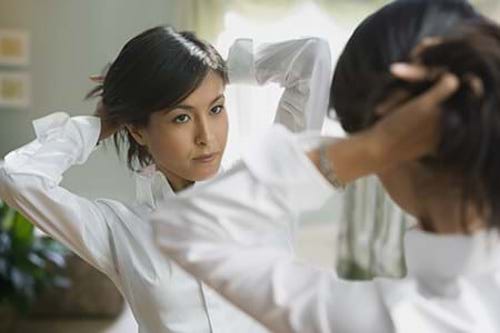
“After I lost 65% of my hair, I got on the internet to find out more about what was going on. This is when I found you. Now my hair is growing back — from the root! It’s thick and shiny and vibrant.”
Maureen, customer
Since it directs your overall metabolism, your thyroid gland produces the hormones that stimulate hair growth. When your thyroid is out of balance, your hair can become dry, brittle, and more prone to falling out. This is why looking into your thyroid health is one of the first things to do when you notice hair loss. However, many women discover that conventional lab tests may show normal hormone ranges even while thyroid-related hair loss is happening.
Thyroid imbalances often occur slowly over time and will not show up on lab tests until the problem is much further along. Paying attention to hair loss and exploring other possible symptoms connected to your thyroid is the best way to gauge whether you body needs support.
Supplementing with key thyroid-supportive nutrients as well as herbs targeted to gently increase energy and balance your thyroid gland can help rebalance your thyroid hormones and encourage thick, healthy hair.
However, if you don’t think your thyroid is involved, you should know that hair loss may also be a sign of hormonal imbalance, nutritional deficiencies, or excessive stress. Once you understand the underlying causes of your hair loss you’ll see how a natural approach can both reverse thinning hair and improve your long-term health and wellbeing.
Which profile best describes your hair loss?
- Thyroid imbalance. Thyroid hormones help keep hair follicles in a healthy cycle of growing or resting. When the thyroid is imbalanced, more hair follicles stay in the “resting” phase as opposed to the active growing phase. This leads to more strands falling out and can also cause hair to become brittle, dry, and prematurely gray.
- Hormonal imbalance. Hair loss during menopause and perimenopause is common due to declining estrogen levels. As estrogen levels fall, the resulting imbalance between estrogen and testosterone can cause thinning hair on certain areas of the head that are sensitive to androgens, commonly referred to as male pattern baldness. The same imbalance can also contribute to unwanted hair growth on the chin and face.
- Nutritional deficiencies. Hair loss can also be a sign of certain nutritional deficiencies, including deficiencies of vitamins A and D, iron and protein. It should come as no surprise that one of the first recommendations we make to women concerned with accelerated hair loss is to check their diet and add a medical-grade multivitamin to fill any gaps.
- Stress. Elevated stress hormones can shock hair follicles into their resting phase, causing hair to fall out at the slightest tug. Many women experience unremitting stress that doesn’t give the hair follicles the chance to switch back into their active growth phase, leading to thinning hair on the scalp.
What you can do today
Eat right for healthy hair follicles. Get enough protein in your diet by eating eggs, beans, chicken and turkey. And help tamp down inflammation that’s tough on hair by adding foods that help fight the fire. Choose avocados, herbs like mint and rosemary, and the spice turmeric.
Why it works
For healthy hair, you have to eat enough lean protein and keep internal inflammation as low as possible. By providing the raw materials your body uses to maintain your hair follicles, they’ll stay healthier and more productive.
A natural approach solves the cause of thinning hair
Extreme hair loss should be discussed with your healthcare practitioner. But in the case of mild to moderate thinning hair, which is usually a result of thyroid imbalance, hormonal imbalance, nutritional deficiencies, or elevated stress hormones, most women can get relief naturally — without having to resort to a new hair cut or experiment with hair thickening creams!
The basic approach is to stimulate hair growth at the root by giving your body the support it needs. Many women find that a nutrient-rich diet, high-quality nutritional supplements and a little stress relief can do wonders. If you find your hair loss is connected to a thyroid, hormonal, or stress imbalance, a specific herbal combination product will help to rebalance your body naturally.
Our Thyroid Health Approach — a holistic approach to healthy hair and more
Our T-Balance Plus helps ease your body into its healthiest balance in the most natural way possible. This exclusive formula has been designed with pharmaceutical-grade ingredients specifically for women.
- If you’re ready for relief, order now with our risk-free trial.
- To learn more, see how T-Balance Plus works .
- To assess your symptoms, take our free on-line Thyroid & Hypothyroid Quiz.
NOTE: If you think your hair loss is related to a hormonal imbalance, see our Hormonal Health Programs. If you think your hair loss is related to a stress imbalance, see our Adrenal Health Programs.
We’re always here to answer your questions when you need answers about your health issues. We’re real women right here in Maine and we understand how hair loss can relate to your overall health and sense of wellbeing. Call us toll-free at 1-800-448-4919.