


Which imbalance is causing your food cravings?
Possible causes of food cravings: hormonal imbalance, weight loss resistance, adrenal imbalance
“I still find it hard to believe the difference this has made in my life. I have so much more energy, my cravings for sweets have completely disappeared, and I have such a feeling of well-being.”
Lara, customer
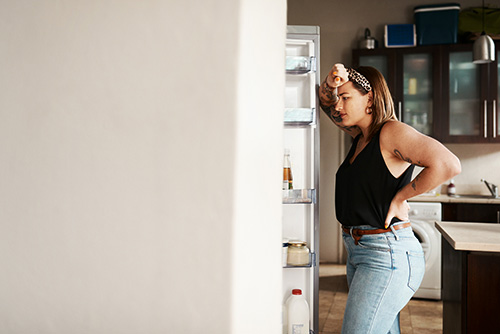
Does it seem as if food cravings control your life? Cravings are not the same as just feeling hungry. Instead, you feel driven to have a chocolate chip cookie every afternoon, or you crave a glass of wine after work. Salty foods and late-night snacks can get to be a habit too.
The majority of women have food cravings — especially for sugary, “simple” carbohydrates, salty foods, and alcohol — and many of us feel powerless against them. But when you “give in” to the desire to eat sugar or drink alcohol, you can be consumed by guilt and remorse.
The word “cravings” is not code for lack of willpower. In many women, cravings are signs of hormonal issues, which are often tied to inadequate nutrition. But cravings can also be related to attempts to lose weight, especially if you have metabolic or physiological imbalances that make it very difficult to drop excess pounds. Some of these imbalances even involve the neurotransmitters in your brain. A third option traces cravings to issues with adrenal function.
Cravings mean that the body has its signals mixed up. When you are tired or sad, you will have low blood sugar and/or low serotonin (a “feel-good” brain neurotransmitter). Hormonal imbalance or weak digestion can lead to low serotonin. Low blood sugar or low serotonin sends a signal to the brain that it needs a pick-me-up. It is this signal — which you don’t consciously control — that causes a craving for sugar or carbohydrates.
Sugar or simple carbohydrates help release a burst of serotonin, so you feel good for a little while. But almost as quickly, you “crash” and return to your low-serotonin state, and the cycle starts all over again. Ironically, the more sugar you eat, the more you crave it because over-consumption of sugar can lead to insulin resistance. It’s a downward spiral that dieting will make even worse.
Interestingly, the underlying mechanism behind cravings is the same pathway you can use to curb them.
Which profile best describes your experience with cravings as a symptom?
- Cravings and hormonal imbalance. Cravings can be associated with your menstrual cycle, especially when they occur at predictable intervals. If you also experience depression, irritability, or mood swings — all common with hormonal fluctuation — your cravings may be connected to hormonal imbalance. A lack of healthy nutrition is frequently linked to hormonal imbalance and can cause cravings because you’re not getting consistent quality “fuel” — lean protein, enough fiber, complex carbohydrates, essential fats, and valuable micronutrients.
- Cravings and weight loss. When you’re trying to lose weight, you may be nearly overcome with the urge to eat carbs and sweets. If you have tried many different methods to lose weight, without success, your cravings may well be wrapped into the overarching issue of weight loss resistance. Underlying imbalances related to your metabolism can cause you to hold onto weight even while you are actively trying to get rid of it, and cravings often accompany this process.
- Cravings and adrenal imbalance: If you have cravings and are under stress, feel anxious much of the time, or you have insomnia, it can be related to your adrenal function, specifically a type of imbalance that can lead to exhaustion. You may notice that you need caffeine to wake up, and you crave sweets, salty foods, and more caffeine during the day — then carbohydrates or alcohol at night. You may also experience other adrenal imbalance symptoms, including deep fatigue and unexplained weight gain.
How to curb your food cravings — naturally
What you can do today
Eat breakfast — and make it a healthy one with a source of protein. Add a serving of fruit or a whole grain, and enjoy a big cup of herbal or green tea. You won’t be hungry ‘til lunch.
Why it works
Starving yourself or skipping meals leads to overeating and sends a distress signal to your brain that triggers cravings. Eating regular nutrient-rich meals and snacks, especially breakfast, can help prevent this from happening.
If you blame and scold yourself for your food cravings, it will only make your mood worse and increase your need for serotonin, which can introduce a pattern of emotional eating. Carbohydrate cravings aren’t usually a behavioral problem but instead have genuine, biological causes that are usually related to inadequate nutrition and metabolic imbalance.
To break the vicious cycle and reduce your food cravings, give your body real support — and lots of it. Time and again, we’ve seen women curb cravings by eating healthy foods, adding pharmaceutical-grade nutritional supplements, and getting regular, moderate exercise, and adequate sleep.
Because health is your body’s natural state, metabolism will heal itself when it receives the necessary nutritional support. If your metabolism has been damaged, it can take time, but it will happen. Then you can still enjoy dessert occasionally — even chocolate — but you won’t be controlled by strong cravings.
For food cravings — our Hormonal Health Program
Food cravings are a common symptom of hormonal imbalance. Our approach helps relieve symptoms and promotes natural hormonal balance with advanced nutritional supplements, our exclusive endocrine support formula, and practical dietary and lifestyle guidance.
- If you’re ready for relief, order now with our risk-free trial.
- See more about the Hormonal Health Program.
- To assess your symptoms, take our on-line Hormonal Health Profile.
NOTE: If you think that your food cravings are related to weight loss resistance, take our Weight Loss Profile now.
If you think that your food cravings are related to adrenal imbalance, read more here. If you have questions and want to talk to a real woman, call us toll-free at 1-800-448-4919. We’re here to listen and help.