


Reviewed by Dr. Mary James, ND
Are you choosing natural alternatives in many areas of your life, but still unsure about using them to relieve perimenopause and menopause symptoms? After all, if “natural” is supposed to be gentler — how can it be powerful enough to relieve symptoms like fuzzy thinking, hot flashes or insomnia?

We can assure you, the natural approach to relief is highly effective — even for women suffering from severe symptoms.
What’s more, the natural approach works in a completely different way than many conventional medical solutions like prescription drugs. Because it works with your body, a natural solution can actually prevent or reduce the severity of nearly all of your symptoms rather than just smoothing them over temporarily.
Steps for menopause relief:
 Nip your symptoms in the bud with optimal nutrition
 Use herbal remedies that act like your own hormones.
 Exercise to reduce fat that can upset your estrogen and progesterone ratios.
 Restore yourself to decrease the stress that intensifies symptoms.
 Understand how emotional health plays a vital role in your overall physical health.
For a comprehensive, natural approach to menopause relief try our Hormonal Health Program.
A true natural approach addresses perimenopause symptoms at the source
If you’re suffering from perimenopause and menopause symptoms, you know how hard it can be to get through the day. Taking natural steps toward relief can help resolve the root cause of your symptoms by addressing imbalances between estrogen, progesterone and testosterone.
In addition to providing effective relief, natural options don’t have the added risk of side effects that commonly prescribed medications like antidepressants can carry.
It’s essential to make the natural approach fit you and the way you live, so try these steps in any order that makes sense to you:
1. Nip your symptoms in the bud with optimal nutrition.
Your food choices are the most effective medicine that exists. Good foods for menopause include a balance of good fats (olive oil, avocados), complex carbohydrates (vegetables, fruit and whole grains) and lean protein at every meal (even breakfast). Also, try your best to eat three meals a day and two or more snacks to keep your blood sugar stable. Don’t skip meals.
Optimal nutrition also includes getting enough vitamins, minerals and essential nutrients. Even with a healthy diet, many women need a nutrient boost. For example, it’s hard to eat enough of the foods that will allow you to take in and absorb adequate folate — a key B vitamin. However, you can do this by supplementing with Quatrefolic® (5-MTHF, or l-methylfolate found in our Essential Nutrients multivitamin) the biologically active form of folate that’s easier for your body to process and use.
2. Add herbal remedies that act like our own hormones.
In our experience, women are often not aware of the power that plants and herbal remedies have to prevent symptoms. In many cases, their strength comes from an adaptogenic effect. Certain plants and herbs can adapt to the needs of your body because they share specific molecular features with your own hormones. This can encourage hormone production, slow it down, or even mimic your own hormones depending on your body’s unique needs.
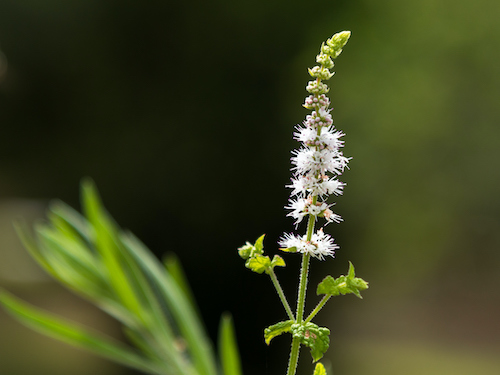
Specific herbal options for menopause symptoms include black cohosh, passionflower, chasteberry, wild yam and ashwagandha, and all are found in our exclusive Herbal Equilibrium formula.
3. Exercise to reduce the fat that can upset your estrogen and progesterone ratios.
During perimenopause and menopause, women often gain weight at a steady pace. No matter what they do, this stubborn weight often settles in unusual places and refuses to budge. One reason weight issues are so common in menopause is fluctuating estrogen levels often cause your body to hold on to fat. And unfortunately, fat actually produces estrogen, which can create even more fat and hormonal imbalance.
Whether it’s walking, dancing, yoga, swimming or biking, moving your body will have a major impact on your weight, other menopause symptoms and your overall health. Gentle exercise is also helpful if your adrenal glands are overworked and you constantly feel fatigued. The most important thing? Choose activities you really like.
4. Decrease the stress that can intensify symptoms.
Antidepressants are often prescribed for women with perimenopause and menopause symptoms who report feeling stressed, anxious or overwhelmed during the menopause transition. In most cases, antidepressants are not the right answer for menopause symptom relief, and will not resolve the source of your symptoms.
Stress is often behind additional hidden imbalances in hormones and neurotransmitters that can affect mood as well as cognitive function. Too much stress is also linked to symptoms such as hot flashes and low libido.
The stress in your life makes prioritizing self-care especially important. One of the most effective, easy and cost-free ways to reduce stress is deep breathing.
5. Understand how emotional wellness helps keep you physically healthy.
Thoughts and feelings have a dramatic impact on your health. Try keeping a diary to become aware of what you are truly feeling so you can identify any patterns in either your feelings or reactions. Many women we work with find it very helpful to start the day with a positive affirmation and repeat it several times during the day.
Find the natural combination for symptom relief that works best for you
For many women, perimenopause and menopause offer an opportunity to grow and transform. If you stay open to it, you may even discover the freedom to be yourself for the first time.
When you can make a few adjustments to your lifestyle, you’ll feel much better and also be more in control of your menopause symptoms — rather than the other way around. Start by following our small menopause symptom tips that can create some impressive results, such as adding a little protein at breakfast and setting aside time each day for deep breathing. One of the easiest steps is to simply supplement your diet with vitamins and minerals to make sure you’re getting enough key nutrients.
With a little bit of patience, you can discover the combination of natural steps that works best for you.
Freeman EW, Sammel MD, Lin H, Gracia CR, Kapoor S, Ferdousi T. The role of anxiety and hormonal changes in menopausal hot flashes. Menopause. 2005 May/June;12(3):258-266.
Kirsch, I. Initial severity and antidepressant benefits: a meta-analysis of data submitted to the Food and Drug Administration. PLoS Med. 2008 Feb; 5(2):e45. https://www.ncbi.nlm.nih.gov/pmc/articles/PMC2253608/?tool=pubmed (accessed 07.18.12)