


Reviewed by Dr. Mary James, ND
Getting the right nutrients in perimenopause and menopause can have two key benefits: symptom relief and better health. For too many women, hormonal imbalance in menopause means hot flashes, irritability, skin and hair changes, depression, low libido and debilitating fatigue, along with an increased risk of bone loss and other health issues.
Using diet and supplementation to supply your body with the exact nutrients needed to keep hormones stable and balanced is a natural way to have more control over your menopause experience. For example, the right diet helps stabilize your shifting hormones, which can reduce hot flashes and sweating, according to internist and author, Carmella Sebastian, MD.
“Help! I’m gaining weight in menopause. Can I still eat these foods and nutrients?”

Yes! Weight gain in menopause is extremely common. The recommendations here are good choices for the active weight loss process. Read more about how to lose weight in menopause.
The best menopause nutrients are easy to get
Working with your body before and during menopause by giving it quality nutrition in adequate and consistent amounts will make a huge difference every day. Research shows that getting enough of specific nutrients and doing your best to take care of yourself can actually change the way you feel during perimenopause by reducing perimenopause symptoms.
In the US, vitamins and herbs are found naturally in certain foods, which is why we call them dietary supplements when taken on their own. The ingredients in high-quality supplements have powerful constituents with real chemical actions. Whether you consume them as foods or as supplements, your body processes them the same way.
Supplements are meant to accompany a healthy diet, but you may not want to eat fish or lentils every day to get their specific benefits. However, you will want to take the recommended supplements regularly and consistently. It’s one of the easiest ways to take action, but you have to actually take the supplements every day until you see improvement — only regular intake can make a profound difference over time.
Best foods, vitamins, minerals, and specific nutrients and ingredients for menopause
| FOODS | VITAMINS/MINERALS | SPECIFIC NUTRIENTS/INGREDIENTS |
| Fish:
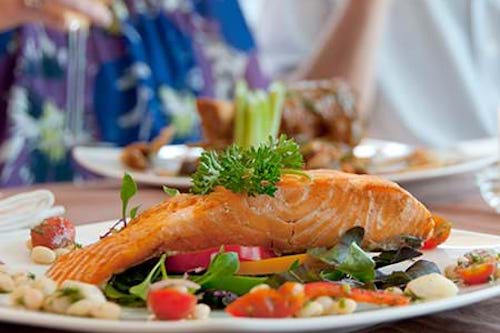
Oily fish contain omega-3s, a type of essential fatty acids. If you like seafood, getting your EFAs, especially DHA, from fish is a good idea. EFAs in fish are linked to lower inflammation, better moods and less depression. DHA makes up 50% of certain brain cells. |
Vitamin D:
Vitamin D supports mood and immune system health, and helps prevent bone loss, cardiovascular disease, metabolic syndrome and cancer. Many US women have low levels and should supplement with vitamin D3. |
Omega-3s:
These EFAs (in plants or animal foods) help offset many after-40 health threats. O-3s help lower blood pressure, triglycerides, clot risk, and inflammation, and play a part in good memory and clear thinking. Fish oil supplements with distilled omega-3s are a good choice for people who don’t like fish or want to boost their intake. |
| Have 2 or more servings a week. Choose wild salmon, sardines, albacore tuna, mackerel, Arctic char, rainbow trout or bluefish— the richest O-3 sources. If you hate fish, try a high-quality fish oil supplement containing plenty of DHA. | Get at least 2000 IU from a daily supplement and go outside every day for about 15 minutes of sunlight, if possible. It’s very hard to get enough vitamin D from food. | Get O-3s from non-fish foods like walnuts, flax seeds, and leafy vegetables, and supplement to get enough daily: at least 500 to 1,000mg or up to 2,000-4,000mg. Talk to your doctor first if taking anti-coagulants. |
| FOODS | VITAMINS/MINERALS | SPECIFIC NUTRIENTS/INGREDIENTS |
| Vegetables and fruits:
Both provide ample fiber and a wide array of phytonutrients. In one study, women who ate plenty of vegetables and melon, strawberries, pineapple and mangos reported fewer hot flashes. Resveratrol in red grapes may also reduce symptoms. |
B vitamins, especially B12:
The full range of B vitamins can help your body manage the stress of menopause symptoms. They’re also important for energy production, clear thinking, stable mood, and healthy immunity. |
Probiotics:
Probiotics are essential for women after 40 (and everyone else). They help with weight loss, gut health, immune regulation and cholesterol balance, and reduce the risk of vaginal and urinary tract infection. They help lower risk of heart disease, diabetes and stroke. |
| Get at least 3-4 heaping helpings of vegetables every day, and 2-3 servings of fruit. Because 9-10 daily portions are now suggested, eat more as snacks. Fill up on vegetables — best weight loss strategy ever. And fruit makes a sweet dessert. | B12 is found only in animal foods like fish, poultry, meat, eggs and dairy. You can get plenty of B12 (at least 2.4 mg a day), along with the complete spectrum of B vitamins every day by taking a supplement or multivitamin. | Get probiotics in live-culture yogurt and fermented foods like miso and sauerkraut. But since you need them in large amounts (billions and billions of CFUs or colony-forming units), also take a balanced, multi-strain supplement every day. |
| FOODS | VITAMINS/MINERALS | SPECIFIC NUTRIENTS/INGREDIENTS |
| Soy:
There are misconceptions about soy because it contains plant “estrogens,” but many studies suggest that these constituents are beneficial. Soy is generally safe in reasonable amounts, but it’s best to get it in foods made from whole soybeans or from a soy isoflavone supplement. |
Vitamins A, C and E:
These can help neutralize free radical damage to your cells from oxidative stress which affects the ability to detoxify and repair tissues. |
Fiber:
Fiber is key for good cholesterol and blood sugar balance, and gut health. It can prevent constipation and reabsorption of toxins that can make you feel sluggish. Adequate fiber intake is linked to less estrogen fluctuation, which can help reduce menopause symptoms. |
| Get it in tofu, soy nuts, edamame, tempeh, miso and soy milk. Some research suggests that for hot flash relief and protection against bone loss and heart disease, you need 2-3 servings of soy foods daily. |
|
Get fiber in fruits, vegetables, oats, whole grains, beans and legumes, almonds, walnuts and berries. Take a fiber supplement if you’re not getting enough from food, and drink plenty of water if you do. |
| FOODS | VITAMINS/MINERALS | SPECIFIC NUTRIENTS/INGREDIENTS |
| Whole grains:
These complex carbohydrates provide nutrients that boost energy, help manage stress, and support gastrointestinal health. Whole grains help balance blood sugar levels and keep you feeling fuller for longer. |
Calcium:
You need more (about 1200 mg per day) in menopause because of increased risk of bone loss. Calcium needs help from other minerals and vitamins to do its job. |
Antioxidants:
Menopause is a form of reproductive aging. Inflammation and oxidative stress worsen symptoms and increase the risk of cardiovascular disease and osteoporosis. Antioxidant-rich foods help scavenge free radicals and reduce inflammation. |
| Get whole grains from steel-cut oatmeal, barley, corn, brown and wild rice, rye and unrefined wheat. Aim for no more than 48 grams daily. | Get calcium in dairy foods, dark leafy greens, and soy. Take a calcium supplement daily, along with magnesium and other nutrients for better absorption, if you’re not getting the full recommended amount through your diet. | Add in lots of antioxidant foods like colorful fruits and vegetables, red and black beans, russet potatoes, pecans and green tea. The spice, curcumin, is a powerful antioxidant, but it’s hard to absorb enough from food. Bioavailablity is better alongside phosphatidylcholine, for example. Find absorbable curcumin in a supplement. |
| FOODS | VITAMINS/MINERALS | SPECIFIC NUTRIENTS/INGREDIENTS |
| Beans and legumes (lentils):
The combo of high fiber and protein in legumes helps keep blood sugar stable longer. The oils in lentils help stabilize hormone levels and prevent dry skin. Because they’re low in calories, they help with “creeping weight gain.” Legumes contain tryptophan (used to make serotonin). Serotonin helps with mood, sleep and appetite. |
Magnesium:
This mineral helps regulate blood pressure, energy production and relaxation — all good for women in menopause. It also helps you absorb calcium and is necessary for muscle, nerve, and heart function, and blood glucose control. |
|
| Eat legumes as often as possible. For a main course, have one cup as pasta fagioli, lentil soup, or three-bean chili. As a side dish to another protein, eat ½ cup cooked French, green or red lentils. | Get magnesium from dark green leafy vegetables, fish, nuts, seeds and whole grains. It’s hard to get enough just from diet so supplement with +/- 500 mg daily. |
Your best menopause diet — putting it all together
We have a plan to help you incorporate the foods recommended for a better menopause. Start by using the Mediterranean diet as the basis for your meals, and take a high-quality multivitamin every day. With its focus on fish, vegetables and whole grains, the Mediterranean style of eating is perfect for women in perimenopause and menopause.
If you’re not able to eat as healthy as you’d like, add in any or all of the recommended targeted supplementation. The right supplements and food choices help your body maintain better hormonal balance and can tamp down symptoms. Food is powerful medicine for a better menopause experience, and when you do your best every day you’ll reap the benefits.
Kuzma C. Foods That Prevent Hot Flashes. April 29, 2013. Prevention Web site. https://www.prevention.com/health/health-concerns/eat-ease-menopause-symptoms. Accessed November 1, 2015.
Womens Health Concern. Diet, nutrition and the menopause. Reviewed April 2009. Available at: https://www.womens-health-concern.org/help-and-advice/factsheets/focus-series/diet-nutrition-menopause/. Accessed November 1, 2015.
Womens Health Concern. Reviewed April 2009. Available at: https://www.womens-health-concern.org/help-and-advice/factsheets/focus-series/diet-nutrition-menopause/. Accessed November 1, 2015.
https://www.everydayhealth.com/hs/guide-to-managing-menopause/the-optimal-menopause-diet/
https://www.msn.com/en-us/health/wellness/7-essential-vitamins-you-need-after-age-40/ar-BBmifXI?li=AAa0dzB#page=2
https://www.webmd.com/food-recipes/10-calcium-rich-foods
https://www.drweil.com/drw/u/ART03145/Perimenopause.html
https://www.livestrong.com/article/22253-foods-high-b-vitamins/
https://www.womens-health-concern.org/help-and-advice/factsheets/focus-series/diet-nutrition-menopause/
https://www.health.com/health/gallery/0,,20914173_2,00.html
https://www.doctoroz.com/kate-geagan-ms-rd/manage-perimenopause-diet
https://www.prevention.com/health/health-concerns/eat-ease-menopause-symptoms
https://www.bbc.com/news/health-26818386
https://www.telegraph.co.uk/news/science/science-news/10735633/Healthy-diet-means-10-portions-of-fruit-and-vegetables-per-day-not-five.html
https://www.webmd.com/diet/top-10-sources-of-fiber
https://www.washingtonpost.com/wp-dyn/content/article/2011/02/22/AR2011022202786.html
https://www.bbcgoodfood.com/howto/guide/eat-beat-menopause
Doshi S. Ashok, A. J Midlife Health. 2013 Jul-Sep; 4(3): 140–146. doi: 10.4103/0976-7800.118990
https://www.ncbi.nlm.nih.gov/pmc/articles/PMC3952404/ Accessed: Oct 30 2015.