

PRINT BOOKMARK small medium large

An introduction to insulin resistance

Marcelle Pick, OB/GYN NP explains why insulin resistance is so common and how to counter itby Marcelle Pick, OB/GYN NP

Insulin resistance is a greatly misunderstood health problem among women. Many women have the mistaken belief that insulin resistance only happens in those who are overweight or in those who eat too many sweets, or that it leads inevitably to diabetes, or that there is nothing they can do about it if they’re insulin resistant. While it’s true that all kinds of women are insulin resistant — or well on their way — the wonderful news is that insulin resistance is something we can prevent and even reverse naturally!

Reversing insulin resistance is really a matter of understanding insulin’s role in the body. Insulin allows glucose to travel from the bloodstream into the cells, where it is used for cell functioning. When we eat foods high in refined carbohydrates, insulin levels surge to remove the sugar from the blood and get it into your cells. This mechanism works very well for the most part. But if insulin spikes too often from a diet rich in the high-carb foods that trigger insulin secretion, your cells respond by decreasing the reactivity and number of insulin receptors on their surfaces. Eventually, this prevents glucose from getting into your cells, leading to high blood sugar and depriving your cells of the energy they need to function. This is why many women with insulin resistance experience carbohydrate cravings, fatigue and weight-gain — their cells are literally starving for energy, even when plenty of glucose is available in the blood. Down the road, your body’s capacity to generate insulin appropriately becomes depleted, and the result is type 2 diabetes.

But that’s just the basics — there is so much more than that going on here. The bigger problem is that insulin resistance lies at one end of a spectrum of related disorders called metabolic syndrome, a serious health challenge that takes on many different forms in the 21st century, leading not just to diabetes but a whole host of equally or even more problematic health conditions. That’s why it’s so important to pay attention to the signals your body sends you when it is dealing with insulin resistance.

Tips for Personal Program Success

Clean your colon. One of the best things you can do is to support your colon by using an occasional colon cleanse. Or add a fiber supplement, such as psyllium husks, to 8 oz. of apple juice in the a.m. and p.m.

Our patients often ask why insulin resistance, metabolic syndrome, and type 2 diabetes are on the rise. In many cases, the answer lies in the food we eat — and our lack of movement. Our early ancestors focused on hunting and gathering food. This simple act involved two key elements: they were obtaining whole foods straight from their environment and getting a lot of exercise in the process. In modern society, we sit parked at our desks and in our cars for so much of the day, and food is available at almost every turn — much of which depletes the body rather than nourishing it. Meanwhile, the research is mounting that shows how foods high in refined carbohydrates, preservatives, pesticides, trans fats, toxins and super sugars like high-fructose corn syrup all contribute to insulin resistance.

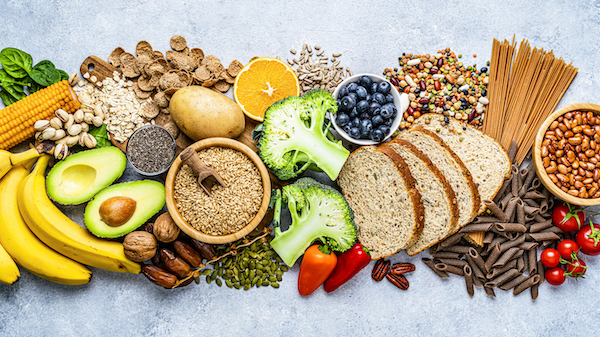
I’ve seen how, when women understand these factors, they have an enormous capacity to improve their quality of life by addressing their insulin resistance. How can they do this? By “turning back the clock” a little! Like our ancestors, we have to “hunt” for good food in a world saturated with unhealthy obstacles. We tell our patients to seek out whole foods, fresh from the source, foods rich in protein, complex carbohydrates and nutrients — in short, foods that take time to digest and allow for a more gradual, gentler rise in insulin levels. We also know that incorporating exercise into your daily life is another way to reverse or prevent insulin resistance because it increases the insulin receptors on your cells. And there are many other natural options available for improving insulin regulation and sustaining a healthy metabolism.

The following articles include information on preventing type 2 diabetes and metabolic syndrome, controlling insulin with balanced meals, using the glycemic index, finding nutrients and herbs to help insulin resistance and diabetes, and more. We hope this information will help you on your way to understanding more about your body and your choices when it comes to regulating insulin naturally.

Our most popular resources on insulin resistance:

To access an article, just choose from the list of excerpts below. To find more articles, use the search function below. Don’t see a topic that’s important to you? Let us know.

  • A natural approach to insulin resistance
    Insulin resistance sits at the center of a web of health disorders such as hypertension, diabetes, high cholesterol and more. And over a quarter of our population has it. Learn the symptoms of insulin resistance, how it develops, and how to regain insulin sensitivity through dietary changes and other natural methods.
  • Polycystic ovarian syndrome (PCOS)
    Irregular periods, weight gain, infertility, and depression are all symptoms of PCOS. This disorder is directly linked with insulin resistance and other forms of hormonal imbalance. Though there is no one set cause or pathway to PCOS, we’ve had great success with our natural approach to healing polycystic ovarian syndrome.
  • Preventing type 2 diabetes and metabolic syndrome (MetS)
    The incidence of type 2 diabetes is increasing at alarming rates worldwide. What can you do to stay clear of the pandemic? Learn about the relationship between type 2 diabetes and metabolic syndrome and your options for natural prevention.
  • Using the glycemic index (GI) and glycemic load (GL)
    The glycemic index may be something you only connect with losing weight. But the GI and the more accurate GL provide useful tools for all women to keep track of the insulin response created from specific foods or entire meals. Includes an easy to use glycemic index chart and a simple formula for calculating glycemic load.
  • What you need to know about insulin control and nutrition
    Here’s a look at each of the four food groups and how they affect insulin control. Learn how a balanced diet that includes all four food groups is the key to preventing insulin resistance and type 2 diabetes.
  • Supplements for diabetes and insulin resistance
    Supplementing your diet with vitamins, minerals, and other micronutrients can help ward off and diminish damage from insulin resistance, diabetes, and metabolic syndrome. Take a look at the specific micronutrients that influence glucose control upstream of where cellular damage takes place.
  • Who is at risk for type 2 diabetes?
    Sure, your family history has something to do with your chances of getting type 2 diabetes. But there is much more at play here — and much of it is in your hands to change. Best of all, it’s never too late to change your risk profile!
  • Types of diabetes and early warning signs
    Are you worried you or a loved one may be heading down the path to diabetes? The way diabetes impacts people worldwide is rapidly changing, and the way we refer to diabetes today changes almost as quickly as our understanding of the process. Learn about the different types of diabetes and their associated symptoms.
  • Complications of diabetes
    Diabetes involves more than just the way your body metabolizes sugar. It is intimately connected to your blood, which runs throughout the body. Learn more about the serious complications associated with diabetes — and what you can do to prevent them from taking a toll on your health and longevity.


Our Personal Program is a great place to start

The Personal Program promotes natural hormonal balance with nutritional supplements, our exclusive endocrine support formula, dietary and lifestyle guidance, and optional phone consultations with our Nurse–Educators. It is a convenient, at-home version of what we recommend to all our patients at the clinic.


Original Publication Date: 08/25/2004
Last Modified: 06/05/2008
Principal Author: Marcelle Pick, OB/GYN NP

Newsletter
Your Personal Program
Your Stories

I wanted to take my health into my OWN hands!

Winona is a healthy, 37-year-old who suffered an unexplained 30-pound weight gain this past year plus symptoms of perimenopause. After she tested "normal" by conventional medical standards, her doctor could offer no solutions.

Read this Story | All Stories


Questions? Call us at

1-800-798-7902

We're here to listen and help.