



With symptoms ranging from skin rashes and itchy nose, to sneezing asthma, sinus congestion and more, allergies can literally interfere with your life every day.
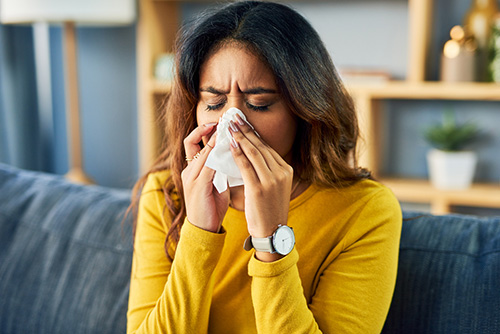
An estimated 50 million Americans — 1 in 5 — suffer from allergic reactions to compounds in the environment such as foods, drugs, latex, dust, pets, and outdoor pollens. Many more millions have “sensitivities” whose reactions are trickier to identify than true allergies partly because they can manifest as just about any kind of symptom anywhere in the body.
Allergies and sensitivities are at the root of many difficult and chronic health problems, including respiratory ailments, skin conditions, mood disorders, and gastrointestinal symptoms. On top of those, the negative health effects from allergy-triggered inflammation can be profound. Neither a chronic nor an acute allergic response is something you should ignore.
Can homeopathy help with allergies and sensitivities?
Homeopathy is a completely natural way to relieve the wide range of symptoms caused by allergies and sensitivities. By using minute amounts of the same substances that cause reactions in larger amounts, homeopathy relieves symptoms fast by reducing your body’s sensitivity to those substances.
Women with chronic allergies are often put on drugs like antihistamines or decongestants, sometimes for years, and though these may alleviate symptoms for a few hours, they can cause unpleasant side effects. Worse, these short-acting medications can never resolve the source of the problem.
Conventional medicine tends to approach each allergy symptom as an isolated issue. Millions of women with subclinical allergies and sensitivities are regularly misdiagnosed — possibly even given antidepressants. Doctors may even dismiss symptoms altogether if they’re too mysterious or seem unrelated to each other.
Allergies and sensitivities almost never occur in isolation. That’s why it’s wise for a practitioner to ‘connect the dots,’ looking for commonality among your symptoms, which can pave the way to a real and lasting solution. Fortunately, many allergies and sensitivities can also be easily treated naturally, with homeopathic remedies that can quickly and effectively resolve symptoms, and without side effects!
What exactly is an allergy?
An allergy is simply an over-reaction of the immune system to a substance in the environment that for most people does not trigger symptoms. Hay fever and many food allergies generate a type 1 hypersensitivity response involving increased IgE antibodies (proteins intended to identify and neutralize a foreign target) and the release of histamine. This process stimulates inflammation and is the source of symptoms such as itchy, watery eyes, runny nose, hives, itchy rash, swelling, scratchy throat, wheezing and coughing.

Allergies can develop at any point during your life, but it’s also possible to be born with them, especially if your mother is allergic to foods and passes an excessive number of undigested protein particles to you through breast milk. Type 1 hypersensitivities are usually lifelong, even if we can manage to control the symptoms.
IgE-mediated allergies are fairly easy to spot because of the immediate onset of symptoms. The conventional treatment protocol is to manage these symptoms with allergy medications like Claritin and Allegra, and sometimes steroids.
Type 1 hypersensitivity responses show up in a few possible ways:
- As an acute allergic reaction, such as being exposed to a single allergen like peanuts, shellfish, or the venom in a bee sting. The reaction can range from mild to life-threatening (i.e., anaphylaxis). An anaphylactic reaction may start with a tingling sensation, itching, or metallic taste in the mouth, followed by hives, flushing, wheezing, swelling of the mouth and throat, difficulty breathing, vomiting, diarrhea, cramping, a drop in blood pressure, and eventually loss of consciousness. This type of reaction is always a medical emergency.
- As chronic allergies, in which you regularly (as in a seasonal cycle) or consistently have allergy symptoms, sometimes in response to a specific allergen (i.e., dust mites or ragweed), or as a result of an overload of allergens (i.e., women with multiple chemical sensitivities).
- As subclinical reactions, in which you might suffer from transient and seemingly unconnected symptoms that may not be recognized as allergic responses, even if they’re immediate-onset. For example, eating an allergenic food or food additive may cause abdominal cramps or diarrhea, but because these aren’t typical hay fever-type symptoms, allergy is never suspected.
How are sensitivities different from allergies?
The term “allergy” is now used more loosely to refer to any kind of hypersensitivity that triggers an immune response and inflammation. A better term for the reactions that aren’t mediated by IgE antibodies and histamine is “sensitivity.” While these reactions typically involve IgG or IgA antibodies, and histamine release might be part of the picture, these type III hypersensitivity reactions also involve the formation of immune complexes between the antibody and the substance that the antibody is targeting, known as the ‘antigen.’ Many of these reactions are to foods, or additives in foods.
Inflammation in these types of reaction is caused by the immune complexes being deposited in various tissues in the body. This process takes some time, which can delay the onset of symptoms — by hours or even days, making this kind of immune response tough to identify. If you’re sensitive to the eggs you ate at breakfast, but symptoms don’t show up until after dinner, you’d rarely suspect eggs as the culprit. As a result, these are sometimes referred to as ‘hidden’ food allergies. The symptoms resulting from these reactions depend mostly on where in the body these complexes are deposited. If it’s in the joints, for example, you might get joint pain. If in the blood vessels, you might get a headache. If in the intestine, you might get diarrhea.
Symptoms of sensitivities can vary in presentation from person to person — what gives me a skin rash might give you a headache. Even time-of-onset varies among individuals with two confounding effects: sufferers tend to tune out the very symptoms they need to heed, and doctors often dismiss patients with transient symptoms that are hard to diagnose, especially if a pattern can’t be detected.
The good news is that IgG food reactions, unlike IgE allergies, can usually be turned around with digestive and dietary support.
How conventional medicine diagnoses allergies

If you walk into your doctor’s office with hives, he or she will take it seriously and give you a skin (intradermal) test, a blood test for total IgE antibodies, or a test for specific IgE reactions to particular substances. Skin testing introduces a very small amount of a common allergen directly beneath the skin’s surface, and you wait to see if there is a reaction. Accuracy is somewhat limited. If you have a lot of circulating histamine, you may test positive for specific antigens even if they’re not problems for you. And real allergies might be missed if you’re allergic to a substance that you’ve not been exposed to for a while. Delayed-sensitivity reactions will be missed.
Once an allergy is clearly identified, most doctors advise patients to avoid the allergen or to take antihistamine medication for their symptoms. If the allergen can’t be avoided (e.g., outdoor pollens), “desensitization” therapy, or “immunotherapy” may be introduced. Progressively higher amounts of allergen(s) are injected into the bloodstream until the first sign of allergic reaction. Sublingual (under the tongue) drops are sometimes used as an alternative. The idea is that, over time, the body will learn to tamp down its inflammatory response to the allergen.
This approach is great when it comes to severe, life-threatening allergies. If I were allergic to peanuts, for example, I would never go anywhere without an EpiPen—an injection of epinephrine, which neutralizes an anaphylactic reaction. But you can’t reveal serious, but still disturbing, sensitivity reactions using this technique.
What to do about sensitivities
If you suspect sensitivities, begin to take note of how certain foods, or substances in the environment, affect you on a day-to-day basis. Chances are you’ll notice a pattern especially as you age. Keeping an “allergy diary” is a useful first step in connecting the dots between your symptoms and the foods or other substances you’re reacting to. Testing can be helpful, but certain sensitivities may not show up on the test if you’ve been avoiding these foods for awhile. Without regular exposure, the immune system stops actively producing antibodies, but the sensitivity can still be reactivated upon exposure.
Digestive problems and increased intestinal permeability can lead to IgG-mediated food sensitivities because undigested food particles in the body sensitize the immune system to an ‘intruder’ on board, and “turn on” reactions. Repeatedly eating the same foods also increases the chances of sensitivities. Gastrointestinal support helps eliminate these sensitivities, as does working with a knowledgeable health care provider.
If you don’t tune in and take action to alleviate your body’s allergic response, you will end up with full-blown chronic inflammation. Some women develop multiple chemical sensitivities. The further you travel down this path, the steeper the climb back to wellness, and feeling good.
Allergies and toxic load

Every substance on earth that can be eaten, inhaled, or touched is a potential allergen, depending on your individual genetic profile and how well your system is running. Your emotional inheritance, lifestyle, diet, and physical environment are also important because they define the burden your system must detoxify and process on a daily basis.
How well you process this “body burden” is crucial to you feel each day. The older we get, the greater this toxic burden becomes and the less able our bodies are to deal with it.
As pollution has increased, so have allergies. Air pollution is a factor too, because particles have been shown to increase IgE activity in nasal passages and may carry pollen and other compounds into our bodies.
Every day, particles from synthetic chemicals — like the fresh scent in fabric softener — go right up your nose and into your lungs. Heavy metals, chlorine in our water, phthalates and VOCs (volatile organic compounds) are all dangerous substances that surround us all day every day. (For more information, see our article on endocrine disruptors.)
Over the course of many years, this chemical exposure has a cumulative effect. When you add in other factors prevalent in many women’s lives — e.g., hormonal imbalance, poor diet, and emotional stress, it puts us at the tipping point!
Roughly 10% of adults in the U.S. have a diagnosed food allergy, but countless more have food sensitivities. A few of the most common categories of allergens:
- What you eat: dairy, wheat (and other gluten-containing grains), corn, soy, shellfish, eggs, nuts, chocolate, caffeine, yeast, medications, sulfites, salicylates, MSG and other glutamates, xanthan and other gums, artificial food coloring and preservatives (e.g., BHA and BHT), sorbic and benzoic acid, pesticides
- What you inhale: Mold, pollen, dust and dust mites, pet dander, down, feathers, VOCs, scented candles and cleaning products, perfumes
- What you touch: Latex, plastics, cleaning solvents, insect bites, chemicals in the air, water, cosmetics, sunscreens, shampoos, and other personal care products
Sensitivities are highly individual, so I encourage you to investigate other possible allergens if these don’t seem to apply to you.
Everything you eat can be supportive or burdensome, depending on your unique profile. Help equip your body to process its toxic load by giving it the right nutrients, and minimize your toxic load by eliminating environmental toxins and dietary allergens. Then when a particular substance is introduced to your system, your body won’t react with symptoms.
Some women may also be intolerant of — but not allergic to — foods and other substances that are not mediated by the immune system. Examples include:
- Intestinal symptoms from lactose intolerance
- Joint pain from a compound called “solanine” in the ‘nightshade’ family of foods (e.g., potatoes, tomatoes, peppers)
- Migraines from blood vessel-dilating compounds in red wine or cheeses. While qualifying as “intolerances,” they are not allergies.
What about gluten sensitivity?

Sensitivity to gluten — the family of proteins found in the seeds or grains of wheat, rye, barley, spelt, kamut, and triticale — is usually associated with celiac disease, an inherited condition in which the immune system reacts to gluten while producing antibodies against the lining of the small intestine. That makes celiac disease an autoimmune disease, not an allergy. Over time, autoimmune responses to gluten can also affect other systems besides digestion.
Gluten ingestion can also cause a temporary increase in intestinal permeability, or leaky gut, and allergic reactions in individuals without genetic susceptibility to celiac disease. This occurs most often in people who are allergic to wheat, one of the “big eight” food allergens that together account for around 90% of allergic reactions.
If you are descended from cultures dependent on corn, potatoes, rice or other grains, you may not possess the genetic snippet required to process grains in the wheat tribe. If you are gluten-sensitive and continue to eat a lot of it, your body may be simmering on a low burn. This can eventually wear down the immune system and disrupt your metabolism, setting the stage for systemic inflammation and other problems.
Women’s Health Network’s approach to natural allergy relief
The most important part of any allergy relief or prevention program is to reduce your exposure to the food or other substance that’s causing your symptoms. Along with that, you can use these strategies to find the relief you need, and deserve:
Diet. Keep a diet diary for a week, noting what you eat, when you eat it, and how you feel over the next several hours after eating it. Many women are surprised by patterns that they hadn’t known were there.
Food reactions can be driven by different kinds of antibodies or other mechanisms and it’s easy to miss some problematic foods, depending on the testing you have done. The most effective way to specifically uncover food allergies and sensitivities is to follow an allergy elimination diet for two weeks.
Specifically, you will eliminate the most common food allergens as well as foods you eat routinely. If you start to feel better, it’s a strong hint that you’re sensitive to one or more of the foods you’ve eliminated.
After the two-week elimination, you’ll reintroduce one food at a time and if you don’t feel worse, you can add that food back in and proceed to the next suspect food. Start with the least suspect foods first and keep a diet diary throughout this process.
Food sensitivities often indicate an underlying digestive issue or imbalance, including increased intestinal permeability. Replacing valuable enzymes and beneficial bacteria improves the body’s ability to fully break down and down absorb your food. Note that antibiotics or regular use of aspirin or ibuprofen can throw off bacterial balance and worsen a leaky gut.
Homeopathic remedies can bring powerful relief for digestive irregularities and stomach discomfort caused by food sensitivities (see below). A rich multivitamin–mineral complex with adequate essential fatty acids is the cornerstone of our approach to dealing with food sensitivities — this is often enough to correct imbalances and soothe diet-related inflammation. In some cases, targeted use of specific supplements is required, as determined on a case-by-case basis.
Homeopathy. This ancient natural approach to relieving symptoms uses minute amounts of the very same substances that can cause a reaction in larger amounts, to reduce your body’s sensitivity to those substances. It’s a time-tested, natural practice used successfully throughout the world. Homeopathic remedies come in a variety of forms, including sprays, tinctures, and tablets, and are effective against a number of allergies and sensitivities. Homeopathic remedies are especially helpful for alleviating miserable symptoms of hay fever, inhaled allergies, food sensitivities, and chemical sensitivities, allowing allergy sufferers to lead normal lives again. I can’t overstate how much this can improve your life. Plus it’s totally natural and incredibly effective.
Environmental sensitivities. Decrease your overall toxic load by cleaning your house right. Invest in a good vacuum cleaner with a HEPA filter. Throw out any cleansers, creams, soaps, and cosmetics that contain synthetic chemicals. Buy green building materials, furniture, cleansers, and laundry detergents. Encase your bedding in allergy-proof covers, and choose all-natural fabrics and bed linens. Avoid using or exposing your body to herbicides like Roundup as well as pesticides, including products for pets.
Chemical sensitivities. If you are increasingly sensitive to noxious fumes, air fresheners, perfumes, chemical odors, and other synthetic off-gassing, it’s a good sign that your system is overloaded. Headaches, dry mouth, sore throat, dizziness, nausea, coughing, and rashes are common symptoms of chemical sensitivity. NAET (Nambudripad’s Allergy Elimination Technique) is an effective, noninvasive way to eliminate many sensitivities and allergies. Choosing a combination of therapies, including nutrition, acupuncture/acupressure, conventional allergy treatments, chiropractic, and kinesiology, many practitioners have successfully desensitized their patients to be able to tolerate offending substances without symptoms.

The key to allergy relief — and prevention — is balance
Balance is especially apt when it comes to allergies and sensitivities. You want to know your body so well that you’re able to read its allergy and sensitivity signals so you can respond with the right support.
Allergies and sensitivities are real. Over time these allergic responses will compromise your immune system and give inflammation the upper hand throughout your body. If you suffer now from allergies or sensitivities, I encourage you to follow the natural anti-inflammatory approach outlined above. You’ll feel transformed and revitalized, with renewed energy and stamina, a clear head, healthy digestion, and beautiful skin. Now that’s allergy relief!
Top References
Allergy Facts and Figures. Asthma and Allergy Foundation of American Web site. https://www.aafa.org/display.cfm?id=9&sub=30. Accessed July 12, 2014.
Gaby AR. The Role of Hidden Food Allergy/Intolerance in Chronic Disease. Alt Med Review. 1998;3(2):90-100.
Hill DJ, Roy N, Heine RG, et al. Effect of a low-allergen maternal diet on colic among breastfed infants: a randomized, controlled trial. Pediatrics. 2005 Nov;116(5):e709-715.
Horowitz S. Elimination Diets: Treating Food Sensitivities in Chronic Conditions. Alternative and Complementary Therapies. 2001;7(1):8-14. Available at: https://online.liebertpub.com/doi/pdf/10.1089/107628001300000660. Accessed July 12, 2014.
Environmental Protection Agency. Existing Chemicals: Basic Information. EPA Web site. https://www.epa.gov/oppt/existingchemicals/pubs/basicinfo.html. Accessed July 12, 2014.
Chehregani A, Kouhkan F. Diesel exhaust particles and allergenicity of pollen grains of Lilium martagon. Ecotoxicol Environ Saf. 2008 Mar;69(3):568-573.
American Academy of Allergy Asthma & Immunology. Updated prevalence of food allergy in the United States. September 3, 2013. AAAAI Web site. https://www.aaaai.org/global/latest-research-summaries/Current-JACI-Research/food-allergy-in-us/. Accessed July 12, 2014.
Drago S, El Asmar R, Di Pierro M, et al. Gliadin, zonulin and gut permeability: Effects on celiac and non-celiac intestinal mucosa and intestinal cell lines. Scand J Gastroenterol. 2006 Apr;41(4):408-419.