


Uterine fibroids and the heavy or irregular bleeding they can cause are all too familiar to many women. But the true cause of fibroids remains unknown. Why do some women get them and some don’t? Why is their progression so different from one woman to another? Why do so many more women get fibroids now than a couple of generations ago?
The answers aren’t always clear, but let’s take a look at what we know — and how you can treat fibroid symptoms naturally and without surgery.
What are uterine fibroids?
Most fibroids of the uterus are small growths of knotty connective tissue that develop in different ways in or on the uterus. Many women have clusters of fibroids, which can grow to the size of an early pregnancy. Some women only have one or two that are very small. An enormous number of women have no idea they have fibroids at all until they are discovered by their health care provider in a routine exam.
Cancerous fibroids are rare. The trouble they cause varies by individual, but is mostly a function of their size and rate of growth. The most typical symptom of fibroids is heavy or irregular bleeding. The blood vessels that feed the fibroid become altered or engorged, rather like varicose veins. This area then bleeds more than other areas of the uterus, heavier at menses and sometimes in between menses.
This bleeding does not plague all women with fibroids, but it is the most common reason that women choose to have their fibroids dealt with surgically, or to have the entire uterus removed in a hysterectomy. Fibroids are the leading cause of hysterectomy.
What are the causes of fibroids?
One striking fact is the role of estrogen, whose basic function throughout the body is to stimulate cell growth. Clearly estrogen stimulates fibroid growth and progesterone inhibits it. That makes estrogen–progesterone imbalance (estrogen dominance — a very common condition among perimenopausal women) a likely contributor to fibroid growth.
We doubt that estrogen alone creates fibroids, but the xenoestrogens in our environment (chiefly pesticides and growth hormones used in food production) could go a long way toward explaining why fibroids are so much more common today than a few decades ago.
Another striking fact is the pattern of fibroids in families. We often see astoundingly similar experiences among mothers, daughters and sisters. This does not necessarily mean that there is a genetic factor, because families often share other factors. But we speculate that some women may have more estrogen receptors in their uterine tissue, thus making them more susceptible to the effects of estrogen dominance.
A third striking fact is the enormous role of emotions. We’ve heard persuasive arguments that relationship problems, stress, and other emotional factors are contributing factors if not indeed the original cause of fibroids. Most women who suffer from fibroids intuitively know that the ups and downs of their lives affect their fibroids and related symptoms, almost on a day-by-day basis.
Natural treatments for fibroids
Since hormonal imbalance is a likely cause of fibroid growth, methods to restore hormonal balance can be helpful in reducing the symptoms of fibroids and their size. Phytotherapy like our Herbal Equilibrium can be effective, especially when used in conjunction with supportive dietary and lifestyle measures.
We agree with the many experts who advise that reducing the xenoestrogens you ingest is also helpful in treating fibroids. These include the pesticides in most fruits and vegetables, and the growth hormones commonly present in milk and meat products.
Some advocate a strict organic macrobiotic diet, but this can easily lead to an excess of carbohydrates, which creates other problems for hormonal balance. We recommend a healing diet that curtails carbohydrates and increases protein — no more than 15 grams of carbohydrates per meal, and 7 grams per snack.
We have seen that the addition of non-genetically-modified soy in reasonable amounts (80 mg of isoflavones per day) can be helpful. Soy helps block estrogen’s stimulation of the uterine tissue. It’s also an excellent protein source without the growth hormones in ordinary meat products. We get the best results with products based on non-GMO whole soy. Results from soy extracts, especially pill forms, are less reliable.
Weight loss can be important in treating fibroids. Body fat is a secondary production site for estrogen, so excess weight contributes to estrogen-progesterone imbalance. However, caution is required when dieting, as low–fat diets actually sabotage hormonal balance.
The emotional factors that contribute to fibroids can be difficult to deal with, but we encourage you to try. Many women with fibroids report remarkable improvement from their efforts to resolve relationship issues and stress. The common theme is finding your voice and being heard.
There are many techniques in alternative medicine that may be helpful. Complementary medicine with an acupuncturist or chiropractor, or body work with a Rolfing or Reiki practitioner, can contribute toward a new balance. Meditation has been proven to help alleviate fibroid symptoms and growth.
Finally countless women have found castor oil packs provide effective if only temporary symptom relief.
References and further resources
- Healing Fibroids: A Doctor’s Guide to a Natural Cure, by Allan Warshowsky & Elena Oumano.
- Women’s Bodies, Women’s Wisdom, and The Wisdom of Menopause, by Christiane Northrup.
- Fibroids: The Complete Guide to Taking Charge of Your Physical, Emotional, and Sexual Well-Being, by Johanna Skilling.
- Prepare for Surgery, Heal Faster: A Guide of Mind-Body Techniques, by Peggy Huddleston.
- The Hope for Fibroids Organization
- The Fibroid Resource Center Forum
Conventional treatments for uterine fibroids
Above all, remember to use natural methods in addition to your regular medical care, not as a substitute. Fibroids are almost always benign, but they can mask or be accompanied by other serious conditions that can only be detected by your medical practitioner.
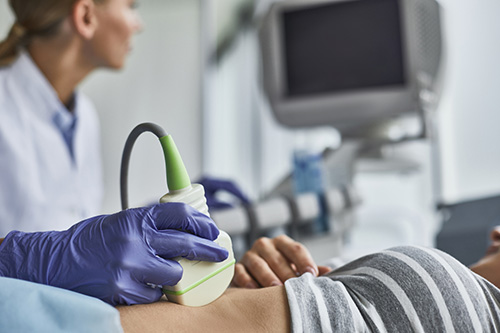
We urge every woman to have an annual exam, including a pelvic exam and Pap smear. If fibroids are detected or suspected, an ultrasound is helpful to measure them. In our office, we recommend that patients with fibroids return every six months to monitor their size.
Tissue sampling of the uterus is usually indicated in women over the age of 35 who experience heavy, irregular, or abruptly different bleeding patterns. There are different ways to accomplish this, such as a D&C, hysteroscopy, or office endometrial biopsy. If you experience such bleeding, discuss these options with your health care provider.
The good news is that many women can manage or reduce their fibroids without surgery. Of course, the decision to have a partial hysterectomy, total hysterectomy, myomectomy, or uterine embolization is an individual one. We just want you to know there are alternatives and natural methods that may work for you until you reach menopause, when fibroids generally shrink or even disappear. We encourage you to understand your options, listen to your inner wisdom, and make the choice that’s right for you.

Relieve your hormonal
imbalance symptoms today
- For perimenopause and menopause symptoms
- Natural and easy-to-take
- Satisfaction always guaranteed