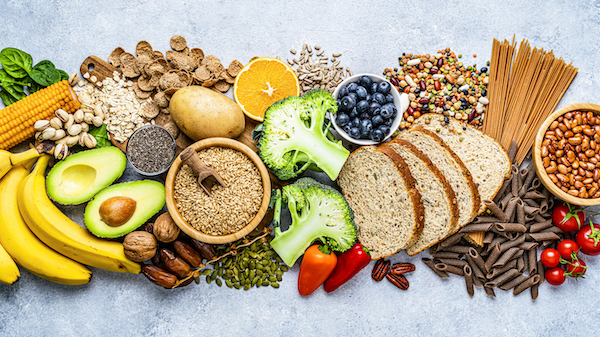



Our culture is beginning to wake up to how essential fats are to our survival — especially omega-3s. We’re sure you’ve seen the phrase “A good source of Omega-3s” stamped on food packaging in your grocery store. From eggs to waffles, food manufacturers have figured out that omega-3 fatty acids sell. Many women are confused about why these fats in particular are so good for us, especially if we’ve been avoiding other fats for all these years.
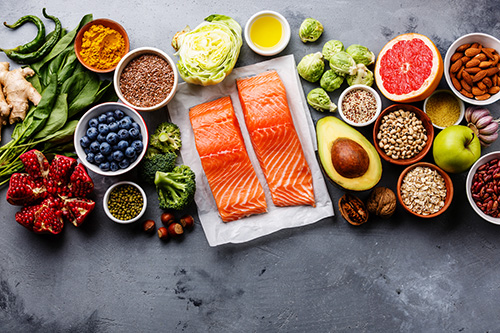
Studies have shown that omega-3 fatty acids can have a positive impact on, or even prevent, serious degenerative illnesses like heart disease, hypertension, rheumatoid arthritis, Alzheimer’s, diabetes and more. The anti-inflammatory properties of omega-3s are especially beneficial to menopausal women for preserving heart, breast and bone health, and even help keep our moods on an even keel.
Bottom line: omega-3s — one of our essential fatty acids — do wonders for women. From our hearts to our minds and every cell in between, omega-3s contribute to every inch of our bodies, in terms of health. And no matter how busy you are, there are easy ways to include them in your diet.
Let’s take a closer look at omega-3 fatty acids and how they can work for you.
What’s so essential about essential fatty acids?
What makes some fats “essential”? Put simply, our bodies need them for good health but cannot make essential fatty acids (EFAs) on their own, so they must come from our diets. What’s more, both omega-3 and omega-6 EFAs are found in the membranes of every cell in our bodies!
At the molecular level, EFAs protect and keep our cardiovascular, musculoskeletal, GI and immune systems functioning optimally. They help insulate our nerve cells and produce molecular messengers involved in immunity and the central nervous system.
We can obtain omega-3 and omega-6 fatty acids from a range of food sources. Here are some common sources of these special fats. (Many foods have both omega-3s and 6s, so you’ll see them on both lists below.)
| Omega-3 sources | Omega-6 sources |
|---|---|
|
|
You may wonder why olive oil isn’t on either of these lists. Olive oil contains no omega-3s (or 6s). The main fatty acid in olive oil is oleic acid, an omega-9 fatty acid. Although it’s superb for your health, it’s not considered “essential.” (See our pages on omega-3s and the Mediterranean diet and the differences between 3s, 6s and 9s for more specifics.)
Omega-3s and omega-6s — a healthy balance is best
These days, all omega-3s tend to be being lumped together as “good fats” and all omega-6s as “bad fats.” This good–bad thinking is probably because omega-6 fats can either prevent inflammation or contribute to it depending on how we metabolize them, and also because we tend to eat far too many 6s in our diet, and too few 3s. Unlike omega-6s, omega-3s only prevent inflammation. And increased inflammation is what contributes to the very diseases omega-3s have been shown to help. But the reality is that both 3s and 6s are essential to our bodies, not in abundance, but rather in the optimal ratio.
Concerning that ratio, take another look at the foods listed above. Researchers agree that the optimal ratio of omega-6 to omega-3 is somewhere between 2:1 and 4:1. Yet the typical American diet provides a ratio of anywhere between 15:1 and 20:1!
This imbalance, tipped disproportionately in favor of omega-6 over omega-3, stems in part from a diet laden with animal fats, such as corn-fed beef, and other corn-derived products, and lacking in seafood, seeds, and nuts. Availability of omega-3s is made worse by our over-reliance on packaged, fast and fried foods high in hydrogenated oils, or trans fats. These are the only truly “bad” fats, and are not found anywhere in nature. In our bodies, trans fats can shove the healthy fats out of cell membranes, wreak havoc with cell function, and interfere with the conversion of dietary fats into healthy eicosanoids (compounds derived from polyunsaturated fatty acids).
The food industry creates these hydrogenated trans fats by pumping extra hydrogen atoms into their molecular configurations, to create malleable, melt-in-the-mouth, yet solid-at-room-temperature products. Along with prolonging the shelf-life of all sorts of processed foods — cookies, crackers, breads, spreads, sauces, fried foods and snack foods — trans fats have an even darker side. They’ve also been shown to raise LDL (“bad”) cholesterol and increase the risk of heart disease.
If the words “hydrogenated” or “partially hydrogenated” are listed in a product’s ingredients, do yourself a favor and don’t buy it! And because federal regulations permit a product’s label to claim “Zero trans fats” if its trans fat content is less than half a gram per serving, be sure to check that the serving size listed hasn’t been minimized to ridiculously small proportions.
Omega-3s and disease prevention
The more we learn about omega-3 fats, the more amazing they seem. How can something so simple, so affordable, and so readily available be so good for us? Because of their anti-inflammatory properties, omega-3s have been linked with prevention and treatment of a whole host of health problems, including:
|
|
So it’s no surprise that omega-3 fatty acids have become one of the most researched topics in the scientific community — and one of the most celebrated among people who care about whole-body health. Yet data indicate that, for most people, omega-3 fatty acid intake continues to be inadequate.
Omega-3s and women
Let’s start with women in their reproductive years. Scientists have found a correlation between increased menstrual pain and high omega-6 concentrations in the blood, which happens when omega-3 intake is too low. Dysmenorrhea, or menstrual cramps, occurs when cell membranes release omega-6 fatty acids, which then produce proinflammatory eicosanoids.
Infertility is another women’s health issue where omega-3s may be helpful. In one study, infertile women who received low-dose aspirin, which, like omega-3s, are anti-inflammatory, showed much higher subsequent pregnancy rates compared to women who received placebo. Additionally, an imbalanced omega-6-to-omega-3 ratio has been linked to polycystic ovarian syndrome (PCOS), another cause of infertility in some women.
When pregnant women increase their omega-3 intake, their risk of giving birth prematurely can plummet by up to 50%. Infant brain development also benefits from omega-3 supplementation, especially DHA, during pregnancy, as well as after birth. Moms who supplement during pregnancy may lower their risk of postpartum depression.
The omega-6/omega-3 ratio may also influence cancer risk in women. An excess of the proinflammatory eicosanoids derived from omega-6s fats makes it easier for certain cancers to grow and spread. Animal studies have already demonstrated that a diet high in omega-3s can slow tumor growth, and people following a Mediterranean diet (rich in omega-3s and other phytonutrients) have been found to be 56% less likely to develop cancer, and 61% less likely to die from it.
Omega-3 fatty acids and menopause
Omega-3 fatty acids can also help many of the issues women experience in menopause. Hormonal changes in menopause, particularly a decline in estrogen, contribute to problems such as osteoporosis, heart disease, vaginal dryness, thinning skin and hair, joint pain, or dry eyes. However, low-grade inflammation — which results from low levels of omega-3s—can make any of these problems worse. Ingesting more omega-3 fats can calm this inflammation. Omega-3s, for example, may help with the following:
Hot flashes. In two small but well-controlled studies, a team of Italian scientists in 2005 attributed a “progressive and highly significant reduction” in hot flashes to omega-3s, possibly through their influence on nerve cell membranes or by modulating neurotransmitter function. In fact, a diet high in omega-3s may be one of the reasons why Japanese women, whose diets are rich in fish and seaweed, have fewer menopausal problems than American women do.
Osteoporosis. Normal bone is constantly being broken down (resorbed) and rebuilt. When the rate of resorption exceeds that of formation, bone mass slowly deteriorates, which can lead to osteoporosis. Derivatives of omega-6 fatty acids can contribute to lower bone density by inhibiting bone formation. . Fortunately, it’s never too late to start rebuilding good bones, and we can call on omega-3s to counteract omega-6s and help prevent osteoporosis.
Mood and memory. These can both become challenging as we grow older. Some research on omega-3s shows promise for preventing, and possibly treating, depression. Researchers recently found that people with high levels of omega-3s in their blood had more grey matter in the sectors of the brain associated with positive emotions and moods, while the subjects with mild-to-moderate depressive symptoms showed decreased grey matter in those same areas. More research is needed to determine whether omega-3s actually cause this phenomenon, but it’s safe to say that healthy omega-3 levels are associated with a more positive outlook on life. Omega-3s have also been shown to reduce the risk of memory loss with aging.
Cardiovascular disease. We know that women, especially those over 40, whose lipid profiles show a high ratio of triglycerides to HDL (“good” cholesterol) are at increased risk for cardiovascular disease. Omega-3-rich fish oil supplements do double duty in protecting the heart and blood vessels by bringing triglyceride levels down while simultaneously increasing HDL. Taking omega-3s is also a good idea if you’re on conventional hormone replacement therapy, because HRT can increase triglyceride levels to unhealthy levels.
Lower heart rate = longer life? Longevity is perhaps the ultimate omega-3 benefit. Researcher Jørn Dyerberg, known throughout the world for his pioneering work on omega-3s, was the first to note the virtual absence of heart disease among Greenland’s indigenous people. Attributing this directly to their high dietary omega-3 content, Dyerberg believes that the net effect of lowering one’s heart rate over a lifetime is a heart that beats longer — in other words, a longer lifespan. More research is needed, but studies suggest that DHA is the principal omega-3 fatty acid responsible for lowering heart rate and improving resilience of heart rate variability, which together significantly lower risk of deadly sudden cardiac events.
Now that we understand why omega-3s are so essential, the next questions to explore are What kind of omega-3 is best? and How much omega-3 should you take?
Getting it right — how to pick your omega-3 supplement
Naturally, getting our omega-3 fatty acids from diet is ideal, and we can also improve our omega-3/omega-6 ratio by limiting our intake of omega-6s. Even with an excellent diet, though, it’s difficult to achieve optimal omega-3 levels, especially if we already have health problems. Taking a supplement can help. There are loads of companies selling omega-3 supplements, though quality varies immensely. Base your choice on the quality and purity of the product.
Omega-3 fish oils should be sourced from deep-water fish inhabiting the least polluted waters on earth. Unfortunately, oily fish can contain high levels of toxic pesticides, dioxins, PCBs, or heavy metals such as lead and mercury, all of which should be removed in the preparation process for omega-3 supplements. Today, highly-advanced omega-3 extraction and distillation processes efficiently remove toxins and impurities, as well as maintain stability and freshness. If you are concerned about purity, call the manufacturer and request a certificate of analysis that shows the results of tests for levels of lead, mercury, and cadmium in each batch.
Another consideration is dosage. The American Heart Association recommends consuming 1–3 grams per day of EPA and DHA. For certain medical conditions, however, higher doses of omega-3 products, up to 4 grams per day, can be used safely, and with good effect. A number of recent studies show that higher-dose omega-3 fatty acids can be extremely helpful, for example, for lowering high triglycerides, and that they are usually very well tolerated. We encourage you to talk with a qualified healthcare practitioner before using higher than average doses of omega-3s.
At Women’s Health Network, we know that the basis of health is balance, not overabundance. Unless your healthcare provider recommends otherwise, your best bet when purchasing omega-3 supplements is to base your choice on the following criteria:
- Look for natural forms that have been purified by molecular distillation, to ensure that the product is free of mercury and other contaminants.
- Look for added antioxidants, or take them separately.
- The label shouldn’t suggest more than 3 grams of EPA and DHA per day (see above).
- Look for both EPA and DHA in the supplement. Since each of these can be converted into the other, the ratio of EPA:DHA is not as important as quality and amount are, but both should be present, and a reasonable ratio to look for is 3:2.
- Always check the expiration date, and take note of any bad smell or taste, which may mean the product was poorly purified, has expired, or has already oxidized. (Note that a fishy smell does not necessarily mean the fish oil is bad, just that it has not undergone a process to remove that odor.)
In addition to taking a high-quality omega-3 supplement, one of the best ways to optimize your omega-3 intake is by following a Mediterranean diet . Generous amounts of richly colored fruits and vegetables, virgin olive oil and fresh fish can help your body acquire a healthier balance.
Getting back to omega-3 balance — the Women’s Health Network approach
There’s no question that increasing your omega-3 fatty acid intake promotes better health, especially for women. From PMS to menopause to disorders like Alzheimer’s, heart disease and osteoporosis, these fats can help women of all ages reduce harmful inflammation and restore the balance they’ve lost through modern, omega-6-heavy diets.
There are many ways to get your omega-6-to-3 ratio back where it should be. As you begin the process, here are some tips we’ve found helpful:
- Consider testing your omega-6/omega-3 ratio. If you have symptoms of inflammation or some of the other health problems we’ve discussed above, ask your healthcare provider for a fatty acid test. When describing diet with your healthcare providers, it’s not always easy to remember the details. Testing gives both you and your provider an objective number to use as your individual starting point.
- Transition to a more Mediterranean style of eating. Carve out some time to plan your weekly menu — you may not even have to spend a lot of time, once you get the hang of it. Look for simple recipes made from fresh, whole foods that you can chop up and prepare ahead of time. That way, it will be simpler to serve a wholesome meal when you come home after a long day, and you’ll have time to relax and savor it fully. Stock up every week on brightly colored fresh fruits, vegetables, and nuts for quick and easy snacks. Keep nuts and oils refrigerated.
- Supplement with high-quality omega-3s daily. For women who eat at least two seafood servings a week and who have no pressing health concerns, 600–650 mg of EPA and DHA per day may be sufficient. Women with those health concerns shown to benefit from omega-3s may want a higher intake of 1000–3000 mg per day. Up to 4000 mg per day should be taken only under a physician’s care. If you supplement with fish oil, always choose natural, stable preparations of the highest quality and purity (like the Omega-3s we offer through our shop).
- Include a high-quality, multivitamin-mineral complex supplement. Pyroxidine, biotin, magnesium and zinc are all nutrients that help convert the parent omega-3 ALA into EPA and DHA. Getting enough of these nutrients, by planning and preparing perfectly nutritious meals every single day, week after week, is impossible for most of us in our busy lives. As much as we’d all like to eat this way, you can be certain to replenish your body’s supply of these important micronutrients by taking a high-quality, nutritional supplement (like the one we offer in our Programs).
A lesson from the past — balance
Thousands of years ago, before the advent of agriculture, the human diet was much closer to the earth and sea than it is today. As a result, it provided omega-3s in far greater quantities than our modern diets do. For millennia, people ate whatever they could hunt, catch, dig or pick without thinking much about nutrition or what was “good” or “bad” for them. They simply wanted to be full and nourished. Their greatest challenge was simply to find enough. With the abundance of food choices today, though we still have to “hunt” for what is best, omega-3-rich foods and supplements are readily available.
With all the promising science being released about omega-3s, it’s refreshing to know that this fat is all it’s cracked up to be. But like everything else, a fish oil supplement isn’t a magic bullet. It’s all about balance — on a cellular level with your omega-3/omega-6 ratio, as well as on the level of your life as a whole. No supplement or pill is going to erase all your health problems. Incorporating good nutrition with a positive outlook will help keep you on the path to the long and disease-free life you deserve.
1Simopoulos AP. The omega-6/omega-3 fatty acid ratio, genetic variation, and cardiovascular disease. Asia Pac J Clin Nutr. 2008;17 Suppl 1:131-4.
2 Pizzorno JE, Paul C, Schauss, AG. Fish Oils (Omega-3 Fatty Acids, Cocosahexaenoic Acid, Ecosapentaenoic Acid, Dietary Fish, and Fish Oils). In: Pizzorno JE, Murray MT, eds. Textbook of Natural Medicine. 4th ed. London, England: Churchill Livingstone; 2013: 745-771.
3 Blasbalg TL, Hibbeln JR, Ramsden CE, et al. Changes in consumption of omega-3 and omega-6 fatty acids in the United States during the 20th century. Am J Clin Nutr. 2011 May;93(5):950-62.
4 Saldeen P, Saldeen T. Women and omega-3 Fatty acids. Obstet Gynecol Surv. 2004 Oct;59(10):722-30.
5 Rubinstein M, Marazzi A, Polak de Fried E. Low-dose aspirin treatment improves ovarian responsiveness, uterine and ovarian blood flow velocity, implantation, and pregnancy rates in patients undergoing in vitro fertilization: a prospective, randomized, double-blind placebo-controlled assay. Fertil Steril. 1999 May;71(5):825-9.
6 Phelan N, O’Connor A, Kyaw Tun T, et al. Hormonal and metabolic effects of polyunsaturated fatty acids in young women with polycystic ovary syndrome: results from a cross-sectional analysis and a randomized, placebo-controlled, crossover trial. Am J Clin Nutr. 2011 Mar;93(3):652-62
7 Salvig JD, Lamont RF. Evidence regarding an effect of marine n-3 fatty acids on preterm birth: a systematic review and meta-analysis. Acta Obstet Gynecol Scand. 2011 Aug;90(8):825-38.
8 Rombaldi Bernardi J, de Souza Escobar R, Ferreira CF, Pelufo Silveira P. Fetal and neonatal levels of omega-3: effects on neurodevelopment, nutrition, and growth. ScientificWorldJournal. 2012;2012:202473.
9 Levant B. N-3 (omega-3) Fatty acids in postpartum depression: implications for prevention and treatment. Depress Res Treat. 2011;2011:467349.
10 Kang JX, Liu A. The role of the tissue omega-6/omega-3 fatty acid ratio in regulating tumor angiogenesis. Cancer Metastasis Rev. 2013 Jun;32(1-2):201-10.
11 de Lorgeril M, Salen P, Martin JL, et al. Mediterranean dietary pattern in a randomized trial: prolonged survival and possible reduced cancer rate. Arch Intern Med. 1998 Jun 8;158(11):1181-7.
12 Campagnoli C, Abbà C, Ambroggio S, et al. Polyunsaturated fatty acids (PUFAs) might reduce hot flushes: an indication from two controlled trials on soy isoflavones alone and with a PUFA supplement. Maturitas. 2005 Jun 16;51(2):127-34.
13 Casado-Díaz A, Santiago-Mora R, Dorado G, Quesada-Gómez JM. The omega-6 arachidonic fatty acid, but not the omega-3 fatty acids, inhibits osteoblastogenesis and induces adipogenesis of human mesenchymal stem cells: potential implication in osteoporosis. Osteoporos Int. 2013 May;24(5):1647-61.
14 Conklin SM, Gianaros PJ, Brown SM, et al. Long-chain omega-3 fatty acid intake is associated positively with corticolimbic gray matter volume in healthy adults. Neurosci Lett. 2007 Jun 29;421(3):209-12.
15 Bowman GL, Dodge HH, Mattek N, et al. Plasma omega-3 PUFA and white matter mediated executive decline in older adults. Front Aging Neurosci. 2013 Dec 16;5:92.
16 Pirillo A, Catapano AL. Omega-3 polyunsaturated fatty acids in the treatment of atherogenic dyslipidemia. Atheroscler Suppl. 2013 Aug;14(2):237-42.
17 Glueck CJ, Lang J, Hamer T, Tracy T. Severe hypertriglyceridemia and pancreatitis when estrogen replacement therapy is given to hypertriglyceridemic women. J Lab Clin Med. 1994 Jan;123(1):59-64.
18 Dyerberg J, Christensen JH, Eskesen D, et al. Trans, and n-3 polyunsaturated fatty acids and vascular function-a yin yang situation? Atheroscler Suppl. 2006 May;7(2):33-5.
19 McKenney JM, Sica D. Role of prescription omega-3 fatty acids in the treatment of hypertriglyceridemia. Pharmacotherapy. 2007 May;27(5):715-28.