


While eating and sharing meals are social acts, and key ways to renew energy and stay alive, eating is also a powerful way to heal the body. Yet much of the food available in our modern world is overly processed and full of refined sugar, preservatives, trans fats, and chemicals.

A lot of the time, the food we eat makes us sick, overweight, unhappy and tired. It takes a conscious effort to eat healthfully in today’s society — and we applaud you for taking this step. It will pay off in more energy, better digestion, and a healthier body.
Here are the basics of our healthy eating and lifestyle approach. Above all else, trust yourself and your own instincts for what’s best for your body.
Start with your plate
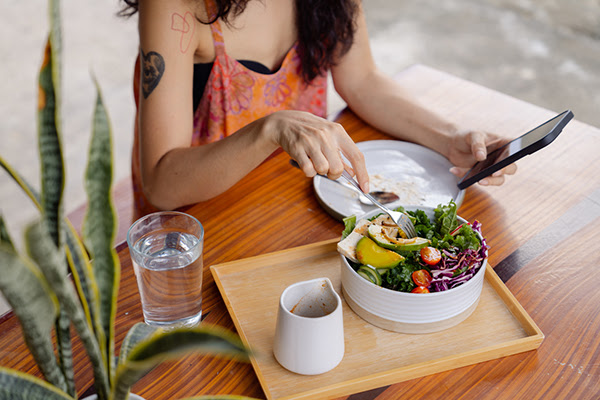
Generally speaking, your plate should be divided into separate sections: ½ the plate should be full of non-starchy vegetables, ¼ of the plate should be reserved for protein, and ¼ of the plate should include complex carbohydrates.
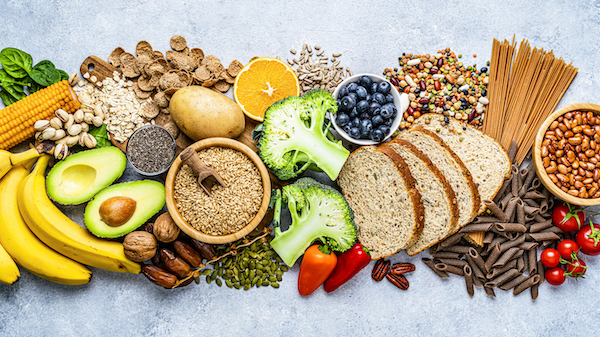
The most important guideline to remember is to eat real food — food that is so fresh it won’t survive on a shelf for days or weeks on end, and food that doesn’t need an ingredient list on the label. This includes fresh vegetables, fruits, meats, fish, poultry, beans, nuts, and complex carbohydrates (rice, quinoa, buckwheat, sweet potatoes, etc.). As Michael Pollan, journalist and bestselling author of The Omnivore’s Dilemma, writes, “Eat food. Not too much. Mostly plants.”
Portion control is in the palm of your hand
We don’t advise strict calorie-counting or weighing and measuring your food, but we do believe you should be mindful of your portions. You have a great tool to help you gauge your portions — your own hand!
- Your thumb = 1 oz
- Your palm = 3–4 oz
- Your closed fist = 1 cup
- Your thumb tip = 1 tsp
- A handful = 1–2 oz of snack food, like nuts
Our basic guidelines
Based on years of research and working with real women, we’ve come up with some guidelines for eating that keep your body and hormones balanced without depriving you of delicious, nourishing food. The basics include:
- Eat 3 meals per day and 2 snacks. (Snacks are particularly important if you are under stress.)
- Include some form of protein in every meal (fish, meat, eggs, nuts, nut butters, legumes, etc.).
- Add vegetables to every meal, especially organic greens and non-starchy vegetables.
- Include healthy fats in your meals, especially those with omega-3 fatty acids (walnuts, wild Pacific salmon, eggs, flax, etc.).
- Strive for no more than 62 grams of carbohydrates a day (16 per meal and 7 per snack).
- Limit dairy products (0-2 servings per day) and if you do choose to eat diary, make it organic when possible.
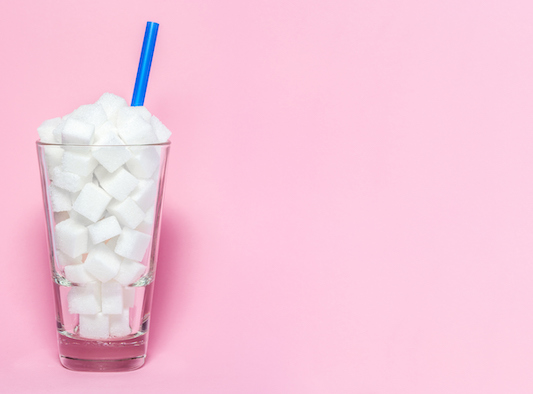
- Avoid soft drinks (diet and regular), fruit juices, and artificial sweeteners.
- Remove “junk food” from your diet and save sugary treats for special occasions.
- Eliminate or cut back on alcohol.
- Eliminate white breads, pastas, flour and cereal.
- Consider trying a gluten-free diet at least temporarily.
- Add a high-quality multivitamin and an omega-3 fatty acid supplement to your daily routine.
A healthy body and ideal weight depend on much more than simply the food you put in your mouth. Your health is also supported by how you live. Here are the lifestyle guidelines we feel are most important:
- Get 7-8 hours of sleep per night.
- Get rid of your scale and use your clothing and the way it fits as your healthy weight gauge.
- If you don’t exercise, start. We recommend beginning with a 30 minute walk 3-5 times per week.
- Make time for yourself every day so you can do something relaxing.
- Buy organic and local foods, when possible, and shop the outside aisles of the grocery store where the whole foods are.
- Explore the creative act of cooking. There isn’t always time to make everything from scratch, but start with a few meals a week and add more, if it works with your life.
- Eat your meals sitting down, away from the television, cell phones and computers.
- If you have digestive trouble, try an elimination diet like our digestive reset to cleanse your body and help determine which foods might be aggravating your system.
- If you’re in a position where you can’t get to a healthy weight no matter what you try, take our Weight Loss Resistance quiz to see if your body is blocking weight loss.
- Love and accept yourself just as you are, because you are already pretty amazing. As you work toward getting healthier, don’t focus on your weight or whether or not you’ve “cheated.” Instead focus on how you feel and the courage you’re showing by making your health a top priority.
These guidelines are the basics of our approach to healthy eating and living and they’re a great place to start. If you’d like to take the next step, you’ll find that each of our packages come with an eGuide that offers more detailed information on all of these topics, as well as shopping lists and delicious recipes tailored to your health concern and symptoms.