

changing women's health naturally
small medium large
Breast health

Use the links below to browse our complete library of articles on breast health.

Addressing your breast health concerns, by Dixie Mills, MD. Breast health is an important concern for women of all ages. This introduction to our breast health section is your starting point to learning about breast health, including breast cancer and other breast problems.

Answers to our top five breast health concerns in menopause by Dixie Mills, MD. Women often have specific concerns about changes to their breasts that happen in menopause. Breast health expert Dixie Mills, MD, talks about a woman’s breast health worries in menopause.

The mystery of breast pain — and how to solve it, by Dixie Mills, MD. Because we’ve been taught that pain means something is wrong, most women jump to the conclusion that it must be cancer. However, breast cancer has few warning signs, and pain is rarely a symptom of the disease. Furthermore, there are natural steps you can take to reduce breast pain.

The beautiful, lumpy breast — how fibrocystic breast condition responds to changing hormones by Dixie Mills, MD. Fibrocystic breast condition is a common, benign condition that affects many women and can cause some to experience pain with their menstrual cycle. Women to Women offers tips for minimizing breast pain related to fibrocystic breast condition.

Breast self-exam — a good idea, by Dixie Mills, MD. Women have been receiving mixed messages lately about whether breast self-exams are necessary or even a good idea. Dr. Dixie Mills explains why she recommends that women keep doing breast self-examinations.

New hope for breast cancer prevention — 5 simple ways to create optimal breast health, by Dixie Mills, MD. If you’re concerned about your risk of breast cancer (who isn’t?), breast specialist Dixie Mills, MD has 5 tips to help you maintain good breast health and lower your risk of developing cancer.

What is fibrocystic breast condition? by Dixie Mills, MD. Women to Women offers tips for distinguishing fibrocystic breast lumps from something more serious.

Dense breasts and “dense mammograms” by Dixie Mills, MD. Women with dense breasts may wonder what this means for their mammograms and their risk of breast cancer. Women to Women’s breast health specialist Dixie Mills, MD explains about dense breasts.

The state of breast health in 2008 — a conversation between Marcelle Pick, NP and Dixie Mills, MD. As far as we’ve come in the past 40 years to advance our understanding of breast cancer prevention and treatment, we still have a ways to go. And there’s so much more we can do to create better breast health for all women than to march and wear pink each October. Read what two leaders in the field — breast expert and researcher Dr. Dixie Mills, and Women to Women founder Marcelle Pick, OB/GYN NP — have to say about the state of breast health today.

Causes of breast cancer — the estrogen controversy, by Dixie Mills, MD. The conventional wisdom is to blame estrogen for the high rates of breast cancer we now see. But it’s not that simple. Learn what scientific experts know and don’t know, and what that means for you.

Breast cancer, progestins, and progesterone — is there a link? by Dixie Mills, MD. Opinions abound in the news about the links drawn between synthetic progestins in conventional HRT and breast cancer rates. Fortunately, we do know that progestins and natural bioidentical progesterone do not have the same effects on the breast or elsewhere in the body. In a story that bears watching as it unfolds, here’s what you need to know about the distinctions, and how to determine the safest option for your needs.

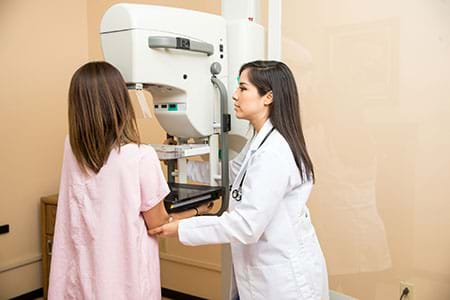
Mammograms — what’s best for you? by Dixie Mills, MD. Women over 40 are usually instructed to get an annual mammogram. But recent studies show that mammograms don’t improve their odds of surviving breast cancer. Clearly a mammogram doesn’t provide the protection that most women believe. And the screening itself can be painful, even humiliating. So what’s right for you? Here’s the information you need to make an informed decision.

Breast cancer awareness — my perspective, by Dixie Mills, MD. Breast cancer has increased dramatically over the last 25 years, and now often occurs in women in their 30’s. While women are surviving longer, lifetime mortality rates haven’t changed much. Here a renowned breast surgeon shares her real-world perspective, her thoughts about prevention, and her hopes for the future.

Breast discharge — why it happens and what you can do, by Dixie Mills, MD. Many women are quite surprised to learn that discharge from the nipples is common. Fortunately, nearly all breast discharge is benign. But discharge is also generally a sign of an underlying imbalance on some level in your system. Our article will help you understand what your breasts are trying to tell you.

How the Personal Program can help

The Personal Program is a natural, guided, at-home approach to taking control of your health, based on over 25 years of clinical success. Four versions of the Personal Program address each of the four most common health issues facing women today:

If you have questions, don’t hesitate to call us at 1-800-798-7902. We’re here to listen and help.


Last Date Modified: 05/10/2011


Our Promise

Questions about the Personal Program?

Call 1-800-798-7902

We're here to listen and help.