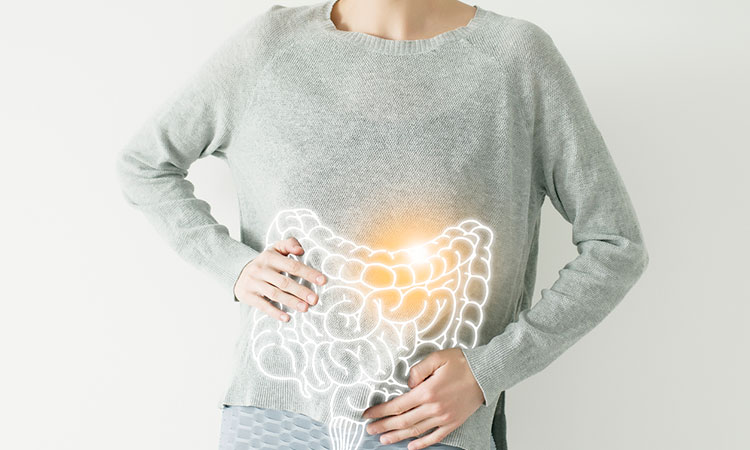


Digestion & GI health
Peptic ulcers
Over 25 million Americans, at some point in their lives, will suffer from an ulcer
— and women are just as likely to experience ulcers as men. Like
acid reflux, peptic ulcers can cause pain and burning in your chest. This
warning is a sure sign from your body that something is out of balance, and also
an opportunity for you to restore that balance.
A peptic ulcer is a sore that develops in the mucous layer of the stomach, duodenum
or, in rare cases, the esophagus. Ulcers in the stomach are known as gastric ulcers,
while those in the duodenum — a short tube that marks the beginning
of your small intestine — are called duodenal ulcers. Both types
fall within the broader category referred to as peptic ulcers.
The word “peptic ”refers to pepsin, which is a
digestive enzyme in your stomach that helps to digest protein. Hydrochloric
acid (HCl), released by the stomach’s parietal cells, is responsible for the
conversion of pepsinogen, released by its chief cells, into pepsin. So, HCl and
pepsin work in tandem to break down the food in your stomach. Both substances are
controlled by the hormone gastrin, which is released when the stomach becomes
distended after a meal and when acid levels are low.
The sore that develops in the case of an ulcer is an erosion of the protective tissue
of the stomach or duodenal lining, like a layer of earth or rock worn away in a
particular place. Unlike the natural erosion of the earth, though, ulcers are surrounded
by inflammation and possible infection.
Signs and symptoms of ulcers
Like many health conditions, the symptoms of peptic ulcers depend on your unique
health picture. However, it is important to note that approximately half of those
who have one have no overt symptoms of an ulcer at all. Typically, gastric (stomach)
ulcers present with pain just below the rib cage on the left, while duodenal ulcers
present with pain to the right of the mid abdominal region. Duodenal ulcers tend
to become less painful with a meal because food can neutralize the acid, whereas
gastric ulcers can be aggravated by food.
You may also notice the following symptoms associated with peptic ulcers:
- Heartburn
- Indigestion
- Belching
- Nausea
- Vomiting blood
- Choking sensation
- Headaches
- Back pain
- Bloody or tarry stools
- Skin paleness
- Weakness
- Fatigue
- Loss of appetite
- Weight loss
- Dizziness
If left unchecked, peptic ulcers can cause internal bleeding and lead to other serious
problems. If you notice black tarry stools or vomit blood or coffeeground-like particles,
you may have a bleeding ulcer and should call your healthcare practitioner immediately.
What causes peptic ulcers?
Many believe that an overproduction of acid is what eats away at our inner mucosal
lining and leads to ulcers, but in reality ulcers can form in the presence of too
little acid as well as with too much. The real problem lies with the balance between
acid, pepsin and your protective mucous layer. Once this balance is disrupted, tissue
can break down and a peptic ulcer can form.
There are many things that can tip the balance between stomach acid and mucosal
protection. The most common culprit is a bacterium known as Helicobacter pylori.
This bacterial species comes in a variety of strains and is believed to cause 75%
of all peptic ulcers. H. pylori bores through the mucosal lining to form
colonies that secrete an enzyme called urease, which can neutralize HCl.
And too little acid stimulates the hormone gastrin to secrete more acid,
allowing H. pylori to spread. So, low acid eventually leads to more regular
intervals of acid secretion and an erosion of the stomach or duodenal lining.
Another trigger to upset the delicate balance in your stomach and duodenum is the
regular use of non-steroidal anti-inflammatory drugs (NSAID’s), such as aspirin
and ibuprofen. These medications inhibit the body’s natural mechanisms for
producing protective mucus and acid-neutralizing bicarbonate. In this situation,
the normal acid production causes disruption because there is less of a built-in
protective layer. NSAID’s can also interfere with the blood flow to the stomach
and the repair process for damaged cells.
Stress is another possible cause of peptic ulcers. Though many conventional medical
practitioners dismiss the role of stress in the formation of ulcers, we at Women
to Women believe that the intense connection between our brains and our stomachs
should not be ignored. It seems that as soon as the discovery of H. pylori
was made, our thinking about ulcers shifted dramatically from stress to infection,
and the term “peptic ulcer disease” became entrenched. However,
many of us have H. pylori in our stomachs yet we don’t all have ulcers,
and it is possible for those who do to make a full recovery from them. Most likely
the activation of the bacteria comes from some other co-factor — whether it’s
stress, alcohol, cigarettes, use of aspirin or something else. The body’s
systems are interwoven and when its defense system gets pushed over the edge, others
can be affected.
Try thinking about the emotional aspects of your condition and ask yourself if there
are any issues that are literally “eating away ”at the inside of you.
Some mind-body practitioners believe that every physical condition can be traced
back to an emotional cause. Despite what you may hear from your doctor or from mainstream
media, don’t underestimate the power of emotional healing.
Here are some other factors that can cause or contribute to ulcers:
- Smoking
- Alcohol
- Nutrient deficiencies (vitamins A, C, and E, along with zinc, protect the stomach
lining by combating free radicals; where antioxidants are low, H. pylori
can grow).
- Low-fiber diets
- Food allergies and sensitivities (both increase histamine release that stimulates
HCl–producing cells)
- Caffeine
- Dehydration (water is needed to produce mucus)
- Illness or trauma
- Zollinger–Ellison syndrome (a rare gastrin-secreting tumor)
Preventing ulcers
The best way to stop an ulcer is to prevent it from occurring. Here are some things
you can do to keep your digestive system clean, healthy and strong:
- Limit your use of NSAID’s.
- Quit smoking.
- Cut back on alcohol and caffeine.
- Drink at least eight 8-oz glasses of water a day.
- Include more fiber in your diet.
- Get regular exercise.
- Find ways to relieve your stress — try meditating, yoga or just cozying up
with a good book.
What you can do to heal your ulcer
If you’ve already been diagnosed with an ulcer and would like some options
for healing, there are many things to try. Gastric and duodenal ulcers are both
conventionally treated with the same regimen: antibiotics, H2 blockers (such as
Tagamet or Pepcid), or proton pump inhibitors (such as Nexium). Gastric ulcers are
generally treated more aggressively because they can take longer to heal. However,
there are other ways to support the healing of your ulcer naturally.
We encourage you to work with your healthcare practitioner to find the best solution
for your unique situation. You may, for example, want to ask about a special diet
for ulcers. You can also discuss a trial of bismuth salts to promote protection
of the stomach lining and halt progress of H. pylori without reducing stomach
acid. Natural antibacterials such as grapefruit seed extract, garlic, undecylenic
acid, rosemary, and thyme may also be an option. Certain
probiotics (healthy bacteria) such as Lactobacillus and Bifidobacterium
may also help inhibit H. pylori.
Increasing your antioxidants is another option. Vitamins and minerals with antioxidant
activity, such as C, A, E and zinc, can help to lessen the oxidative damage on your
cells. Essential fatty acids can help in the reduction of inflammation in the stomach
and duodenum. Iron and fiber supplements may also help. If you have pain with your
ulcer, you might try a juice diet with cabbage juice and then slowly ease into soft
foods, such as squash, potatoes, yams, and avocados.
Though ulcers can be a burden, they do heal with time and appropriate care. Take
care of your body and mind with healthy eating, regular exercise, and activities
that diffuse stress. You will find your chances of getting an ulcer are much less
likely, and if you have one that your recovery period will be greatly reduced!
|
Personal Program for Digestive Reset
Do you want to:
|
Related to this article:
References & further reading on peptic ulcers
Last Modified Date: 04/18/2011
Principal Author: Amy Amoroso