

Digestion & GI health
Gastrointestinal distress — could it be
intestinal parasites?
by Marcelle Pick, OB/GYN NP
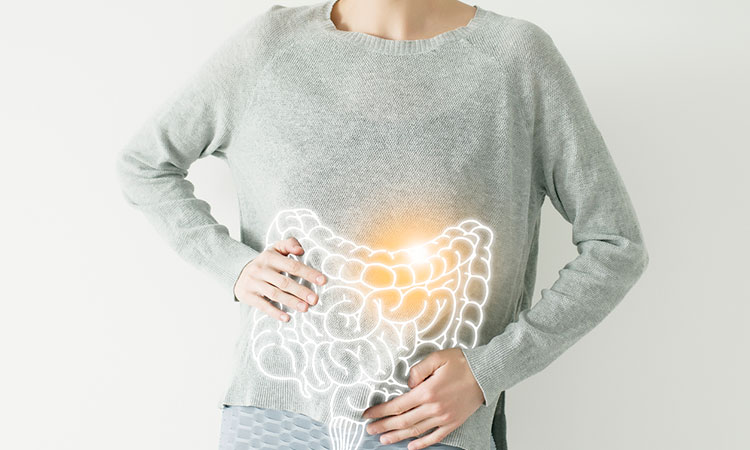
When I started Women to Women over 21 years ago, I saw patients almost every day who were suffering from digestive problems like bloating, constipation, diarrhea, gas and fatigue.
Back then I often referred patients to gastroenterologists. Frequently they came back to me with the diagnosis of irritable bowel syndrome (IBS), and with the recommendation that they should make dietary changes, increase fiber in their diet and use Metamucil. But too often these changes brought them no relief. I was aware at that time that stress could play a part in their discomfort, and made suggestions accordingly. But this also did not seem to be very effective. Their symptoms remained mysterious and frustrating.
An unwelcome souvenir
I didn’t sort the puzzle out until I went to Mexico and got what is known as “Montezuma’s Revenge. ”I returned to the US and realized I had all the symptoms that many of my patients had been complaining about. So I did a stool test, which was sent to the hospital. I was shocked when the test indicated nothing abnormal.
Being the person that I am, I did not stop there but began to explore the options available within the alternative medical community. I found a chiropractor who recommended a lab in Arizona. Sure enough, this stool test came back indicating parasites. She then effectively treated me and also recommended staying away from particular foods to which I had become sensitive. My symptoms disappeared. So began my real awakening to the alternatives for women who suffer from digestive problems that cannot be explained as irritable bowel syndrome or symptoms of anxiety.
IBS or intestinal parasites?
It is now my belief that IBS is just the beginning of the story, not the conclusion. I think IBS is being used by doctors as a catch-all diagnosis for a complicated host of symptoms that need to be explored in depth before the root cause (such as yeast, intestinal parasites or food sensitivities) can be identified and treated. Because of my own experience with GI distress, I now test for parasites in every woman who comes into the clinic with a diagnosis or symptoms of IBS. You may be surprised to learn that 40% of these women prove to have intestinal parasites — even though many have never left the United States.
The intestinal parasite environment
How do so many people get parasites?
When I first began working with women with issues of bloating and gas, I never anticipated seeing the number of women with intestinal parasites that we do. My expectation was that parasites really only occurred in third world countries. We know from a number of studies that in such countries parasites affect up to 99% of the population. The problem in the United States is obviously much less, but it is growing.
In the US, because we have grown up with modern sanitation, we assume that parasites are only encountered in other parts of the world. But as one expert has written “…the United States citizen can acquire amoebas, Giardia, pinworms and other parasites, for example, without so much as a passport application.”
One key source is produce that’s imported from third world countries without our regulations for growing mediums and fertilizer sources. Salad bars and the increase in the number of meals eaten out worsen your odds. Ironically, we often see parasite infections in “juicers” who otherwise have wonderful dietary habits.
Other factors in the rise of intestinal parasites include the ease and frequency of world-wide travel, increased immigration, and contaminated water supplies. Although this has not yet been documented, we believe environmental pollution plays a role by suppressing the immune system on a number of levels.
What is the treatment for digestive problems?
Any woman suffering from gastrointestinal upset, including a chronic sense of fullness or bloating, should first see their healthcare practitioner. Most of the time these common symptoms are easily treatable; on occasion they may indicate a more serious human condition.
My experience in working with women with digestive problems is that tests need to be done to evaluate the flora of the intestines and to establish if there is a parasite infection, systemic yeast, and/or food sensitivities (the latter often accompanies digestive problems). With these test results as a guide, dietary changes are recommended and any emotional issues, such as judgmentalism or stress, are addressed in conjunction with a regime of nutritional supplements.
Once the results of the tests are back, it is easily determined what specific nutritional changes need to take place, whether further blood tests should be done for food sensitivities, and what particular supplements need to be added to the dietary regime. If we suspect a food sensitivity — usually dairy, wheat, or sugar — we recommend eliminating the potential allergen from a patient’s diet for a week and then reintroducing it for a day. Most of the time it is obvious within two or three days when a sensitivity is present. Supplementing nutrition with a medical-grade daily multivitamin is critical in restoring health to the digestive tract. Especially important is the addition of essential fatty acids that help reduce inflammation in the intestines.
All of the supplements that we use in our clinic are natural and support the healing process of the digestive system. In conjunction with this, my experience has been that a discussion of how emotions may play a role needs to take place as well, as the two are intimately connected.
A daily dose of probiotics, such as Acidophilus and bifidobacteria, is helpful in maintaining the right ratio of bacteria in the intestines. This is especially important if you are taking antibiotics, as these drugs destroy both friendly and unfriendly bacteria indiscriminately. Be sure to find a probiotic with at least 10 billion live organisms per dose.
Our Personal Program is a great option
We’ve had great success with our Personal Program in helping women achieve the natural hormonal balance that’s vital to symptom relief and optimal health. For over 21 years we’ve used this approach to help women at our clinic. And now we can help you with our convenient, at-home version.
We’re always happy to welcome new patients to our medical clinic in Yarmouth, Maine, for those who can make the trip. Click here for information about making an appointment.
Original Publication Date: 10/12/2004
Last Modified: 03/07/2008
Principal Author: Marcelle Pick, OB/GYN NP