

PRINT BOOKMARK small medium large

Digestion & GI health

Your gallbladder

by Dixie Mills, MD
Dixie Mills, MD on the hidden gem we call the gallbladder

Most every woman knows she has a gallbladder and probably knows someone who has had one removed, but that is often where her interest stops. Did you know that gallbladder attacks occur in women three to four times as often as in men and can be extremely painful? Or that a cholecystectomy — the medical term for having your gallbladder removed surgically — is one of the most commonly performed operations on women?

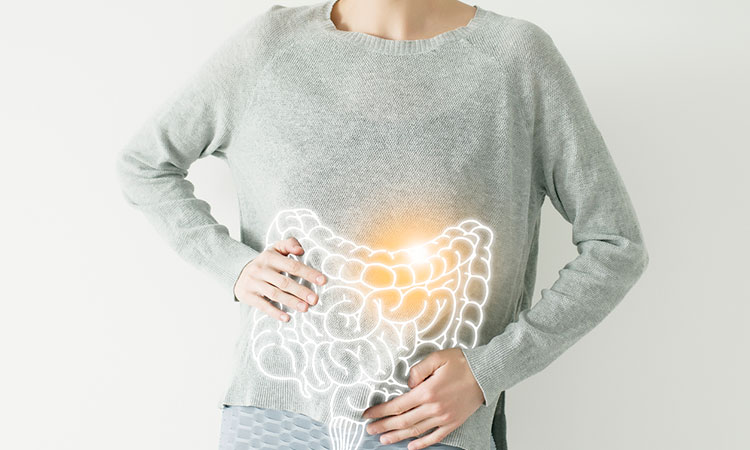
These numbers tell us we should take more interest in this 4–5-inch long organ that sits just beneath the liver and rib cage. The gallbladder, which looks like a baby eggplant, helps keep the liver healthy and digestion working, and it can create problems if it’s not in good shape.

So what does this cute little sac — I like to think of it as a cloth jewelry bag without the ruffles at the tie — do? And why does it create such problems that many women willingly go under the knife to get rid of it?

How the gallbladder works

The gallbladder is part of our magnificent digestive system. Most all mammals, except those that are pure herbivores, have a gallbladder (rats don’t, whereas mice do). Its function is to store bile made in the liver.

Bile — a greenish-yellow fluid made of cholesterol, salts, pigments, water and minerals — helps to break up and emulsify fat in the digestive system. From the liver, it’s secreted into tubes or ducts, which drain downward into the gallbladder. Bile is stored and concentrated there — the gallbladder can hold about a half-cup of fluid — until it gets a message (via the hormone cholecystokinin, or CCK) that the duodenum (the uppermost part of the small intestine) has food with fat in it, and the digestive system is going to need help dissolving it. At this point the smooth muscle lining squeezes the bile out through the cystic duct to the common duct and into the small intestine, where it can emulsify the fat.

Every day the liver produces almost a liter of bile, and the gallbladder helps store, concentrate, and control its release. Yet because bile can still find its way to the duodenum without the gallbladder, the gallbladder is not considered a critical organ, and is actually regarded by some to be disposable.

Gallstones, gallbladder attacks, and cholecystitis

Sometimes the contents of bile fluid collect in the gallbladder, harden, and form crystals, which then progress to stones, known as gallstones. Gallstones, which were once thought to be powerful magical charms, can form into multiple shapes and sizes, from the size of a grain of sand to that of a walnut. Some people can have one or two of them, while others can have dozens, if not hundreds. Some even save their stones from their operations.

Because not all gallstones create problems, their exact prevalence is unknown, but it is thought that at least 10 percent of the US population has gallstones. Though only a fraction of this group may eventually develop symptoms, gallbladder problems are on the rise because of our poor diet, drugs, and toxins in the environment. Stones are often found during autopsy in many people who have lived a full life with them and probably never knew it. Known as “silent” stones, they are frequently revealed on CAT scans, MRI’s or ultrasounds while these tests are being done for some other reason.

The problem is that some gallstones can get stuck in the opening where the gallbladder narrows to become the cystic duct. As the gallbladder contracts to push out more bile, the stone blocking the duct can cause tremendous pain. Gallbladder pain is called an “attack” because of the intensity of the pain. Anyone who has had an attack will usually describe it as beyond awful, sometimes more intense than childbirth.

Acute cholecystitis is an active, urgent case of an obstruction by a gallstone, while biliary “colic” or chronic cholecystitis causes more intermittent pain that is less intense and usually subsides. Unlike a severe attack, where the pain may be partly the result of secondary bacterial infection, chronic cholecystitis is rarely associated with a fever, nausea or vomiting.

If a person, especially a woman, comes into an emergency room suffering from severe pain in her upper abdomen radiating straight to the back, or if she has pain in her right side or right scapula (wing blade), she would be “worked up” for gallbladder pain. Not all upper abdominal pain is caused by a gallbladder problem. She should also have the other big attack — a heart attack — ruled out, because we now realize that women with cardiac pain present differently from men. In addition to the heart, it could be stomach, ulcer, or pancreatic pain. To determine the cause, ER doctors would do tests to look at blood counts and liver function, and an abdominal ultrasound should also be performed.

It is possible, however, to have a gallbladder attack without stones getting stuck. This is called acalculus ("stone-free”) cholecystitis, which is rarer and somewhat more difficult to diagnose. Sometimes the stone just causes inflammation or irritation and may not become stuck in the duct, so the pain is a bit different. This type of situation can be more difficult to diagnose because it fits more into the broad, catch-all term of indigestion, and may be more an indigestion issue than a gallstone problem. (See our other articles on digestion and GI health.)

Here are the primary symptoms of a gallstone attack:

  • Sharp, intensive pain on the right side, under the rib cage, or in the upper central area (in the epigastrium or solar plexus area)
  • Pain that radiates to the back, the shoulder blade or scapula
  • Nausea and vomiting
  • Low-grade fever
  • Pain that begins after a very fatty meal
  • Pain when touched on the right lower rib cage and when you take a deep breath

Surgery for gallstones

If stones are seen on the ultrasound, the patient will probably be seen by a surgeon. Then, depending on her history (Has she had gallstone pain in the past? Is the pain going away?), she may be advised to have surgery. When I was in medical school and doing my surgical residency, the only option was an open cholecystectomy (gallbladder removal) with a large incision, often a drain, several nights in the hospital, and a six-week recovery period.

In the 1990’s, with the development of laparoscopic surgery done with a tiny instrument and a video screen, this all changed. Most patients nowadays undergo a laparoscopic cholecystectomy, involving only 3–4 small (less than an inch-long) incisions made for the lights and probes to be placed in the abdomen; just one night in the hospital (if that); and at the most a week-long recovery. However, both open and laparoscopic cholecystectomy procedures require general anesthesia and should never be jumped into without careful consideration.

No operation is without potential risks and complications, including laparoscopic cholecystectomy. Although more than a half million cholecystectomies are done each year and the percentage of post-op complications is low, problems can arise, and women (and men) should discuss these with their surgeons. If the immediate pain resolves, a watch-and-wait approach can be taken and a referral to a nutritionist or a gastroenterologist may be in order.

The most common problem after cholecystectomy is a residual, gnawing right-sided pain — the cause of which is unknown, really. It may be a nerve that was stretched during the procedure or, if it is persistent and increasing, it could be a residual stone or sludge in the common bile duct between the liver and the intestine. Or there could be a leak in one of the smaller ducts or even the large one. At this point, a referral to a gastroenterologist should be made, so the patient can be looked at with an endoscopic camera. Fortunately, this is done as an outpatient procedure.

For more details on surgical approaches to gallbladder problems, visit the website of the American College of Surgery. To help prepare for surgery, we recommend Prepare for Surgery, Heal Faster as a guidebook/audio recording to help turn what can seem like a scary, out-of-control situation into a positive experience.

Causes of gallbladder disease

In medical school, our way for remembering (during all those exams we took) who got gallbladder disease was by thinking of the 5 F’s. Female was the first, then fat, fertile, forty, and fair was the last. Here’s why:

  • Fair was for the Scandinavians, as gallbladder disease seemed to be more common in this group, although it is unclear if that was based on genetics, diet, lifestyle or a combination. And being fair obviously covers many other nationalities, so it wasn’t the greatest marker.
  • The female part is related to women having a lot more estrogen than men. And estrogen influences how the liver metabolizes lipids, along with gallbladder function. Estrogen seems to increase the amount of cholesterol relative to bile salts and lecithin in bile, thereby increasing cholesterol crystals and ultimately gallstones. Hormone replacement therapy (HRT) also impairs emptying of bile from the gallbladder, and several studies link estrogen and estrogen/progestin replacement therapy and some types of birth control pills with increased risk for gallstone formation.
  • Being overweight ("fat” ) is another factor related to increased rates of gallbladder problems. This again may relate to having more cholesterol and less bile salts in the bile, or to slower emptying, both of which may ultimately lead to more gallstones.
  • Fertile is a marker of exposure to higher levels of hormones during pregnancy, which is a time when higher rates of gallstone formation have been observed in women.
  • Forty is an indicator of the perimenopausal time, which we now understand brings spikes of higher-than-normal estrogen levels. However, recently we are seeing higher rates of 20-something women who have never been pregnant having gallbladder attacks. This is probably caused by our increasingly poor diets of over processed foods and bad fats.

Though the 5F’s mnemonic was helpful for exams in med school, there are of course other risk factors for gallbladder disease. Here are a few more important factors:

  • Diet. The gallbladder is naturally stimulated to release bile when the stomach is full. In particular, when the stomach contents (chyme) contain fats, the hormone CCK is sent to the gallbladder to release more bile. And this is exactly what it is supposed to do. Many people relate a gallbladder attack to a fatty meal they just had. Dr. Oz, in his recent bestselling guide to the body, You: The Owner’s Manual, suggests eating a KFC meal to see if you have gallbladder disease. This is not something we would necessarily advise — it’s not really that simple! It’s not just the fat you eat on a given day, but rather many years of a fried fatty diet inadequately balanced with protein, or made of the wrong fats, that leads to gallstones and then an attack.

    So that fatty KFC meal becomes the straw that breaks the camel’s back, and the stone just can’t be squeezed out. The gallbladder, accustomed to contracting, goes into spasm, which can create intense pain. The spasm pain can usually be relieved by fluids and a strong narcotic like morphine or Demerol, given via IV in the ER. These narcotics relax the muscle and sphincter.

At the other extreme, low-fat and low-calorie diets can also lead to gallbladder disease. These diets can decrease the activity of the gallbladder, allowing the components of bile to sit and form stones. If the gallbladder hasn’t been responding to fat in the stomach, it doesn’t contract regularly and gets out of shape, just like any other muscle.

  • Genetics. Genes can also make you more likely to get gallbladder disease. We mentioned Scandinavians above, but certain other ethnic populations, such as Native Americans and Hispanics, are also more prone to getting gallbladder disease. It is likely that because the DNA of these populations evolved to process a much different diet, the typical American diet may equal more trouble for these groups than for others.
  • Diabetes. Diabetics and even prediabetics are more susceptible to gallstones because of their insulin problems and an increase in their triglyceride levels, which change the composition of bile and cause more stone formation. This predisposition can be ameliorated with a better diet, particularly by replacing animal sources of protein and fats with plant sources. (See our section on insulin control in women, which includes information on preventing type 2 diabetes and metabolic syndrome).
  • Rapid weight loss or yo-yo dieting. Losing more than three pounds a week or weight cycling — consistently gaining and losing 10 pounds or so — can be very stressful on your system. The cause for an increase in gallbladder disease with weight gain and loss is most likely multifactorial. Weight loss seems to shift the balance of bile salts and cholesterol, causing a predominance of cholesterol in the bile, which can then lead to stones. Likewise, when the body has to metabolize excess body fat, it increases cholesterol.
  • Gastric bypass surgery. Certain types of gastric bypass surgery can also lead to gallstones because of the sudden weight loss that takes place, as well as the low-calorie diet required and changes in the intestine’s absorption of macronutrients, micronutrients, vitamins, and minerals.

What can you do if you don’t want gallbladder surgery?

Fortunately, we have not reached the point where everyone is suggested to have an ultrasound screening to check for gallstones. However, because laparoscopic removal of the gallbladder has become so easy for surgeons and patients, more and more people are being encouraged to have their gallbladders out sooner rather than later. Yet this decision truly isn’t right for everyone.

In the early 1900’s, people went to spas to take the “waters” and cure their biliary colic and liver problems. And sometimes the warm mineral springs actually helped. But today, with surgery being so popular, even the two most previously popular medical choices — drugs, which slowly dissolve stones, and lithotripsy, a noninvasive treatment that uses high-intensity sound waves to break up the stones — have fallen out of favor. This may be because they both require more time for dissolving the stones than surgical removal of the gallbladder.

The internet offers many websites describing gallbladder flushes using lemon juice and olive oil potions to help dissolve stones. While these methods are probably not harmful, they have not been proven to be effective, and may be quite gruesome for the digestive tract. If you are interested in doing a gallbladder flush, we would recommend you do this under an experienced health provider’s care. We support certain healthy liver supplements, such as milk thistle, and have had success with our two-week detox cleanse.

Frequent gallbladder attacks can cause a chronically inflamed and infected gallbladder wall, which could become perforated and lead to an abdominal crisis and potentially life-threatening problem. If this complication occurs in a diabetic person or someone whose immune system is compromised, such as a transplant patient or cancer patient, the chances of a bad outcome increase significantly. If you notice a high fever and chills or are jaundiced (with a yellow tint to your skin and eyes) and have clay-colored stools, this means that the infection process has become severe and has now affected the liver. In this situation, seek medical attention immediately.

How to prevent gallbladder disease

Maintaining gallbladder health is the best way to avoid surgery and can be achieved by adhering to the same principles of health we talk about all the time at Women to Women: a healthy diet, exercise and stress reduction.

Probably the most important thing is simply a “good” diet, which means eating a balance of protein, healthy fats — yes, fats — and complex carbohydrates. Plant foods are especially important when it comes to the gallbladder. A series of studies dating back to the 1980’s clearly show that a diet high in vegetable protein and vegetable fats reduce the risk of symptomatic gallstones.

A diet high in good fats — those that are not highly processed or from animal sources — is also key to keeping the gallbladder and liver happy. The body needs fat to supply building blocks for cholesterol and to keep the gallbladder working. High cholesterol in the blood does not contribute to gallstones nor does it have any direct association to gallstone activity. Not surprisingly, with all the emphasis on low-fat diets, we have not seen a reduction in gallbladder attacks. And unfortunately, cholesterol-lowering drugs, which are being given out now like M&M’s, actually increase the cholesterol secreted by the liver and thus the risk of gallstones.

Eating overall fewer processed foods and more fiber, more fresh fruits and vegetables — and particularly more nuts and seeds — is all part of a gallbladder-healthy diet. In a subset of over 80,000 women from the Nurses’ Health Study, researchers at Harvard recently noted a lower rate of gallbladder problems in women who ate at least five ounces of nuts a week — including peanuts. Simply put, nuts and other plant foods contain compounds that may protect us against gallstone disease. For more on achieving a balanced diet, read our nutritional guidelines.

Keep your gallbladder if possible

While the poor little gallbladder may now be viewed as disposable, it has not become extinct and still has more good sides than bad if treated right. In addition to aiding the liver in digestion, Traditional Chinese Medicine teaches us that the gallbladder represents courage and the capacity to make decisions.

There are many ways to maintain the health of your gallbladder and prevent painful attacks and surgery. At Women to Women, we always begin with a strong nutritional foundation, which can help with so many things, including your gallbladder. Use your courage to make positive decisions about your health and your gallbladder.

Our Personal Program is a great place to start

The Personal Program promotes natural hormonal balance with nutritional supplements, our exclusive endocrine support formula, dietary and lifestyle guidance, and optional phone consultations with our Nurse–Educators. It is a convenient, at-home version of what we recommend to all our patients at the clinic.

If you have questions, don't hesitate to call us toll-free at 1-800-798-7902. We're here to listen and help.

We’re always happy to welcome new patients to our medical clinic in Yarmouth, Maine, for those who can make the trip. Click here for information about making an appointment.

Related to this article:

References & further reading on gallbladder health


Original Publication Date: 07/05/2007
Last Modified: 08/17/2009
Principal Author: Dixie Mills, MD

Newsletter
Your Personal Program
Your Stories

"You have made me a believer."

At 54, Elizabeth thought her symptoms were just part of getting older. Everyone told her that weight gain, acid reflux, GI upset and minor incontinence were all part of that "middle-age thing." But then she found our Program, and from the very first day began to see major improvements on all fronts.

Read this Story | All Stories


Questions? Call us at

1-800-798-7902

We're here to listen and help.