
Detoxification
Feel better in two weeks —
with Women to Women’s Quick-Cleanse
by Marcelle Pick, OB/GYN NP
How long has it been since you felt truly great? Stop for a moment and take inventory of how you feel right now. Are you feeling tired, bloated, moody, flabby, achy or spaced-out? Do your clothes fit a little tighter than you might like? Are you suffering from allergies or chemical sensitivities? Or are you so used to feeling “off” that it now feels normal? If so, let me tell you how you can feel better in just two weeks by simply paying more attention to what you eat.
I can’t think of a patient who hasn’t been skeptical when I tell them how life-changing the Women to Women Quick-Cleanse can be. But it’s true. You are what you eat. It’s that simple. Of course, diet is not the only factor — getting to the root of health issues is complicated. But it is a fundamental piece of the puzzle. With this elimination diet plan, you’ll eliminate the dietary “clutter” that is taxing your digestive, endocrine, and immune systems and slowing your metabolism. From here, you can quickly determine which foods fuel your unique biochemistry and which ones get in your way. The reward will be increased energy and focus, clearer skin, more efficient digestion, and an improved muscle-to-fat ratio — you may even lose a few pounds.
This cleanse is based on the same eating plan we recommend to all our new patients and Personal Program members — with resounding success. Most of us don’t recognize how big an obstacle toxins can be to hormonal balance. The cleansing plan is simple and can be customized to suit your comfort level. Changing eating habits can be discouraging, difficult and confusing at first — which is why most conventional doctors don’t go there. They don’t believe women can do it! But I know differently because I’ve seen the solid evidence every day in my office. If you’ve been trying to make healthy choices but just can’t seem to shake a sense of being off-balance, a detox diet might be just what you need to flush and prime your system for a fresh start. So take it slowly — and don’t give up! Try this plan for two weeks and see how you feel. If you fall off, try again a few months later. I promise you that the self-knowledge and vibrant health you gain will be worth it.
So let’s get started!
How a quick detox diet works
The Women to Women Quick-Cleanse plan helps turn down the noise in your body and frees up your immune system to deal with other, potentially more hazardous concerns — like viruses, accelerated aging, or unchecked cell division. Because you will be eating whole foods, simply prepared, and supplementing with a probiotic and fiber supplement, the plan allows your upper GI tract to cleanse, rest and restore itself, which in turn boosts your liver’s ability to detox efficiently, quiets inflammation, heals the lower gut, revs up the metabolic fire, cleanses the colon, and reminds your body to burn fat, not sugar, for fuel.
No diet is a cure-all. In fact, I don’t like the word diet because it brings to mind fads and self-deprivation, and in my experience most diets of that nature just don’t work. Because the science of weight loss is so much more complex and variable with the individual than we ever previously thought, it wouldn’t surprise me if traditional dieting became a thing of the past. So while the specifics of an effective elimination diet are complex in that they depend upon an individual’s unique make-up, the basic idea is simple: certain foods and nutrients will fire up your metabolism and certain foods and substances will derail it.
Because everyone’s biochemistry is different, multiple factors come into play in a successful cleansing plan, including your age, genetic profile, the degree of inflammation in your body, hormonal balance (including estrogen and thyroid levels), hydration, exercise, rest — and above all, your liver’s ability to detoxify. But it’s safe to say that stress, environmental exposure, poor exercise habits, and suboptimal nutrition begin to take their toll on women universally by the time they reach their late 30’s to early 40’s. An improved diet and nutritional supplementation can undo much of the damage wrought by our modern lifestyle. But to really flush your system out you will need to identify which foods are optimal for your individual “blueprint” — and which are best avoided. And that’s what the Women to Women Quick-Cleanse diet is all about.
Hormone balance and detox —
combining the Quick-Cleanse with the Personal Program
Our Quick-Cleanse plan is adapted from the nutritional and lifestyle guidelines that form the mainstay of our Personal Program. The cleansing plan and guidelines work hand-in-glove with the Program for a couple of reasons. On the one hand, you cannot restore or sustain hormonal balance without a nutritionally rounded diet, while on the other, it’s really tough to choose healthy foods when you’re experiencing erratic hormonal fluctuations (ask any woman with powerful PMS cravings). The Quick-Cleanse works synergistically with the Program to help you overcome this dilemma: first by removing toxins and irritants that create static in the “cross-talk” of hormonal regulation; and second by providing the micronutrients you need for cleansing and restoring healthy organ function.
What’s more, there is a powerful action/reaction equation at work here. Healthy hormone balance is a delicate dance that requires our bodies to remain flexible in how readily they make hormones available. Compared to other hormones such as progesterone and DHEA, estrogen levels need to be tightly regulated for the “choreography” to run as smoothly as Mother Nature intended — even small excesses or deficiencies of estrogen can have huge effects on your well-being. A healthy liver metabolizes estrogen rapidly into the more benign of its metabolites. But when it’s bogged down with detoxing medications, environmental chemicals, and harmful substances from food or drink, it can over-metabolize estrogen into its less desirable forms, which can pose a real threat to your health if allowed to accumulate. Our Quick-Cleanse diet relieves much of the toxic burden on your liver so that it can resume its proper role in hormone regulation.
Stubborn weight gain, PMS, fatigue, GI issues, joint pain and muscle aches, increased food sensitivities and mood irregularities are just a handful of the many diet-related symptoms that can worsen and diversify with hormonal imbalance. But regardless of where you may fall on the severity scale (if you aren’t sure, take our profile), our Quick-Cleanse plan can help your hormonal symptoms, and may put an end to your discomfort altogether.
Don’t be surprised if you feel fatigued in the early days as your body works to eliminate the toxins your liver, gut, and body fat have been accumulating. If you give your organs time to cleanse themselves, by the end of two weeks, you’ll be feeling more alive in your own skin, energized, and focused — and experiencing less pain and improved digestion. You will also be more in-tune with the requirements and rhythms of your own body.
A word about blood sugar and detoxing
This plan is challenging, but it is not calorie-restricted. You may eat as much as you want of the recommended foods at each level, unless — and this is a distinction I encourage you to make for yourself before you begin — you have a tendency toward insulin resistance or hypoglycemia, in which case you will do better if you limit your carbohydrates to around 60 g per day. These two conditions fall along the same metabolic continuum, and because they impact the hormone insulin, can foil your best detox efforts if not taken into consideration.
So if you notice you have symptoms of insulin resistance, or if you get the shakes if you haven’t eaten for a while, in my opinion — even if you haven’t been diagnosed — it’s quite likely you have insulin resistance or hypoglycemia. Then, if you have too much rice or quinoa and not enough protein, that’s a big problem for many, many women. If on the other hand you stick to low glycemic-load meals, with three to four ounces of protein at most meals and about half that for snacks, and mind your carbs, your blood sugar will generally remain stable.
And you don’t need to get that fanatic about counting the carbs in general — we’re really talking more about the carbs from grains. That’s where more of the problem lies, especially if you’re trying to detox at the same time your system is struggling with hormonal imbalance — remember, insulin is a major hormone!
Quick-Cleanse guidelines
The basic idea of the Quick-Cleanse plan is to progressively remove certain foods and food categories from your diet for two weeks, then phase them back in and monitor how you feel. The goal for these two weeks is to bring your biochemistry closer to baseline. As you reintroduce certain foods, you will have an undiluted reaction and be better able to judge their overall effect on you.
While on the Quick-Cleanse plan, I recommend you eat three balanced meals and two snacks every day. We suggest eating your snacks at mid-morning and mid-afternoon. To simplify life while you’re on the plan, shop ahead to the degree you are able using our Quick-Cleanse shopping guide, and clear a special place in your refrigerator and kitchen shelves for your foods. These are the general guidelines:
- Eat at least 3–4 ounces of lean protein with every meal and 1–2 ounces with each snack (3–4 ounces is about the size of a deck of cards).
- Plan for meals and snacks with a low glycemic load, and favor the complex carbohydrates found in fresh fruits and vegetables over those in grains, unless you are working out regularly (more than 4 days a week). As explained above, if you are one of the many women who have symptoms of insulin resistance or hypoglycemia, aim for a carbohydrate intake of approximately 60 grams per day (about 15 grams per meal and 7 grams per snack). Otherwise, there are no set restrictions in numbers — focus instead on the principles!
- Use oils with a high smoke point for cooking. Grape seed oil is our favorite, but there are many other good choices. Extra-virgin olive oil and flax seed oil are good choices for dressings. Store all oils in a cool, dark location.
- Do not skip meals. Your body burns fuel during the day when you are busy and stressed, so that’s the best time to give it the nutrients it needs.
- Do not eat after 7:00 PM. This will allow your digestive system to rest while you sleep.
- Drink eight to ten 8-ounce glasses (at least 2 quarts) of pure, filtered water each day.
- Take a rich multivitamin with calcium and magnesium such as the one in our Personal Program. We also recommend omega-3 fatty acids and 500 mg of vitamin C daily. Eat or drink something nutritious when taking your supplements to aid absorption, and be sure to drink at least one big glass of water with them. This approach will help prevent the stomach upset some women experience with nutritional supplements.
- Take a fiber supplement each morning and evening. I recommend buying whole organic flax seeds and a small coffee grinder to grind them up fresh. Sprinkle ground flax seeds on breakfast porridge, soups, salads, or steamed veggies — they are a delicious source of fiber and alpha-linolenic acid.
- You will also need to take a good probiotic twice a day, 30 minutes before eating or according to directions.
- Do some form of gentle exercise each day. We suggest 30–45 minutes of walking (15 minutes after each meal, if you like). If you already work out, don’t stop now. Continue your regular routine as per usual, or tone it down if you feel fatigued. If you find you are hungry, eat a piece of fruit (or any of the other recommended foods) before or after your work-out.
- If you can, try to go to bed by 10:00 pm. This is not imperative, but it will help your body detox by reestablishing a natural circadian rhythm, which will in turn help smooth out your hormonal cycles. After two weeks you’ll notice that you sleep better at night and have more energy through the day, when you need it.
Foods to exclude
A set of three tables listing foods to exclude, ranging from less strict to very strict, follows. We encourage you to customize what you eliminate according to your own emotional and physical comfort level.
Depending on your preferences, you can approach an elimination diet from one of two ways: either beginning at Level III (most restrictive) and becoming less strict over two weeks, or vice versa, beginning at the Level I and eliminating more foods (becoming more strict) as you progress. Trust your intuition on this, and don’t be afraid to experiment a little. The important thing is not to give up if you don’t get overnight results.
In general terms, we have found that the stricter you are, the more quickly you will see results — but you may also feel worse before you feel better, and we realize this approach isn’t right for every body. Some of the symptoms that can arise in the first week as your body rids itself of stored-up toxins and fat include headaches, increased fatigue, depressed mood, nausea, lightheadedness, joint or muscle stiffness, and changes in GI function. This is normal, so do your best to stick with it. If you don’t make it the full 14 days the first time, don’t beat yourself up; just resolve to go a little longer the next time. Good health is an evolving process!
If you prefer to take a moderate approach, you can start at the first level and see how you feel. If you do not experience a change, or as you are energized to go further, proceed to the next level. Eliminate the foods on each successive list, again checking in with how you feel at each stage along the way.
Alternatively, you can start your cleansing plan by eliminating all of the foods listed at once. (Do be cautious about discontinuing caffeine cold-turkey. For hints on how to wean yourself, see our article). If you begin with level III and work backwards, once again gauge the rate at which you add foods back in according to how you feel.
| Level I — Least strict. Eliminate the following... |
| • |
Alcohol |
| • |
Packaged and processed foods (good rule of thumb: if it has more than three ingredients on the label, don’t buy it!) |
| • |
Caffeine |
| • |
Chocolate and cocoa |
| • |
Condiments: ketchup, relish, chutney, barbecue sauce, teriyaki and soy sauce |
| • |
Fats: shortening, margarine, processed oils |
| • |
Grains: wheat, spelt, barley, kamut, rye, triticale, corn |
| • |
Juices that are not fresh or raw |
| • |
Peanuts |
| • |
Processed meats: canned meats, cold cuts, bacon, sausage |
| • |
Pork |
| • |
Salt, in excess |
| • |
Shellfish |
| • |
Soy and soybean products: tofu, tempeh, soy sauce, etc. |
| • |
Soft drinks |
| • |
Sweeteners: refined sugar/white sugar (sucrose), brown sugar, raw sugar, evaporated cane juice, fructose, high-fructose corn syrup, honey, maple syrup, barley malt |
|
|
| Level II |
| • |
Beef and veal |
| • |
Dairy, including butter |
| • |
Mayonnaise and mayonnaise-like spreads |
| • |
Nightshade vegetables: tomatoes, eggplant, peppers |
| • |
Nuts and seeds |
| • |
Salad dressings |
|
|
| Level III |
| • |
Citrus fruits (except lemon, if it agrees with you) |
| • |
Egg yolks |
| • |
High glycemic-index fruits: bananas, dates, figs, grapes, pineapple, raisins, watermelon |
| • |
Vinegars |
| • |
Mustards |
| |
Foods to enjoy
For a complete list of the many foods you can enjoy on the Quick-Cleanse plan, see our shopping guide. One recommendation we make to all women and their families, but especially to anyone on an elimination diet, is to buy organic and locally-grown food whenever possible, and to always wash produce thoroughly. Do not eat fruit (or anything else) with mold on it.
The best lean protein is boneless, skinless chicken and turkey breast and egg whites (preferably free-range, organic, and antibiotic-free). Certain fish are okay, such as smaller ocean species like sardines and mackerel, white fish such as flounder or cod, or farm-raised tilapia or rainbow trout (again, organically farmed, if possible). Grass-fed organic beef is acceptable in limited amounts (no more than 12 oz per week). We also recommend buying brown rice protein powder to blend into filling smoothies.
Beans and legumes are a great choice to add bulk and lean protein, whether you are vegetarian or not. You may also eat steamed brown rice, quinoa, amaranth, teff, wild rice and millet (again, see our shopping list for a complete guide). These grains are whole, complex carbohydrates that can provide a steady supply of energy throughout the day — especially when combined with legumes or other protein complements. But again, we see every woman as a unique individual, and just as some find that animal protein does not agree with them, other women cannot tolerate a diet high in vegetable protein sources.
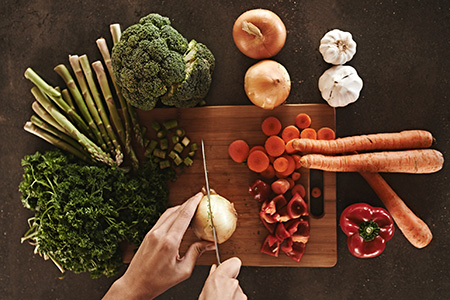
As for vegetables, these are fairly limitless in possibilities. Green leafy vegetables are particularly known for their cleansing, alkalizing properties and have been prized for centuries for flushing toxins in plant-based healing cultures such as Traditional Chinese Medicine and Ayurvedic medicine. Along with their detoxing qualities, richly colored veggies are loaded with phytonutrients that can help reset healthy cell-signaling for insulin regulation, creating a more responsive endocrine system and overall hormonal balance.
Seasoning is another way to add infinite variety and antioxidants to the foods you choose for your detox diet. There are hundreds of botanical nutrients in spices and seasonings such as garlic, ginger, cinnamon and turmeric whose antioxidant and toxin-gobbling action in the body we’re only just beginning to understand. So buy and use fresh spices whenever you can, or grow and grind your own! See our shopping list for the full complement of spices you can include.
Snacking is heartily encouraged on the elimination diet — but you may have to rethink your idea of what makes a good snack! Half a steamed chicken breast with snap-peas? Almond butter and rice cakes? Or half an acorn squash stuffed with quinoa, lima beans and scallions, anyone? You may need to add an extra snack, especially if you work out, or if you are just simply famished. Listen to your body. There is no rule that says you can have only two.
This may seem like a trivial thing, but we have also found that something as simple as varying the texture and color of your foods can play a huge role in how satisfied you feel. For an example of what one day on our Quick-Cleanse diet might look like for you, click here.
Hints for success
The Quick-Cleanse plan is not without its challenges, and many a woman has burst into tears in my office at the very thought of changing her diet so radically — even for two weeks! If you are have similar feelings or your emotions flare up once you’re following the plan, don’t worry. It’s okay — food is an emotional thing. Do your best and don’t get down on yourself. If you manage to cut out even two potential offenders in two weeks, you’ve done yourself some good! Next time you may succeed in cutting out a couple more.
To assist you with the process, we’ve come up with a few hints and watch-out-for’s. We’ve found these tips to be tried and true after years of working with women of all walks. See how they work for you:
- Schedule wisely. Look ahead in your calendar and choose two weeks that are relatively stress-free. Holidays, family gatherings, and major deadlines are in direct opposition to your efforts.
- Pre-shop. Shop ahead for all of your detox/elimination diet foods and supplements. We’ve provided a quick-and-easy comprehensive shopping list for you to print out and take to the store. Establish a special shelf in the fridge, cupboards, or countertop for your cleansing program foods.
- Limit entertaining, going out to eat and partying. It can be hard to stay focused on your Quick-Cleanse plan during social gatherings, so try to keep them to a minimum for just two weeks.
- Be honest. Tell your friends and family about what you are trying to do. Ask them for their active support — you may be surprised how inspiring you can be!
- Journaling. Use our Wellness Diary or make one up of your own. Schedule a time each evening to write and chart your progress, including any difficulties and symptoms. This will help you notice improvements.
- Enlist a friend. Have a friend join you in the cleansing program and pre-arrange special treats to enjoy together — a daily walk, yoga class, or weekend shopping expedition.
- Reward yourself. Think of your absolutely favorite (non-food!) things to do. Enjoy at least one every day. Take a long hot bubble bath. Get a massage or a manicure and pedicure. Borrow or buy yourself a new CD or take a leisurely bike ride. Allow yourself time each day in the natural world. Think of this short time as “me” time and revel in it. Don’t feel guilty; your in-built neurochemical reward response can help you hard-wire positive behavior!
- Get adequate rest. This is especially important when your system is ridding itself of toxins. If you’re inclined and have the time, go ahead and luxuriate in the occasional nap. This and other practices that quiet the nervous system such as yoga and meditation can be very cleansing and restorative! Again, if you can, try to turn in by 10:00 to give all your organs time to rest and replenish through the night.
- Breathe!
Phasing food back in
Once you hit the two-week mark, pat yourself on the back and give yourself a hearty congratulations. Hopefully you will be feeling significantly better. If you want to continue the plan, go ahead! If you have had enough, it’s time to reintroduce foods back into your diet.
Depending on what you’ve given up, reverse the process, eating a lot of a particular food category (like dairy) for two days and see how you feel. Try to introduce last the foods you crave the most. I know this sounds counterintuitive, but sometimes our minds and bodies get addicted to abnormal states (see our food sensitivities article) and undermine our efforts to implement healthy changes.
Most common food sensitivities (wheat, dairy, corn, soy, yeast, sugar) become blatantly obvious after two weeks on the Quick Cleanse. You may find you suffer from a vicious “food hangover” upon reintroducing certain foods that never seemed to bother you before. Take this as a sign of your success! You now have some valuable information with which to go forward. Keep track of any changes in your food journal and remember your food triggers — that way you can choose wisely during times of stress.
Moving toward wellness
The Quick-Cleanse plan is not intended to solve chronic health or weight issues. It is meant to be a first step in acquiring new understanding of your unique physiology. It should allow you to see your body’s ability to detox as a limited resource, one that you can foster with a bit of extra attention and self-care. Once you know what kinds of food make you feel well and which make you feel sick, you put yourself in the driver’s seat of your own long-term health and weight loss.
So, stay focused and give it a try. You have nothing to lose (except symptoms and excess weight) and everything to gain! I recommend that every woman do the Quick-Cleanse plan once or twice a year, as a preventative and a therapeutic. If you are also suffering symptoms of hormonal imbalance, I suggest you combine the elimination diet with our Personal Program.
Good luck… and give us a call if you would like to explore caring for yourself further. Know that when you are ready, we will be here. And regardless of your success, honor your intentions — the journey to natural wellness proceeds slowly, one step at a time.
Our Personal Program is a great place to start
The Personal Program promotes natural hormonal balance with nutritional supplements, our exclusive endocrine support formula, dietary and lifestyle guidance, and optional phone consultations with our Nurse–Educators. It is a convenient, at-home version of what we recommend to all our patients at the clinic.
We’re always happy to welcome new patients to our medical clinic in Yarmouth, Maine, for those who can make the trip. Click here for information about making an appointment.
Related to this article:
References & further reading on two-week Quick Cleanse
Original Publication Date: 08/31/2006
Last Modified: 06/26/2008
Principal Author: Marcelle Pick, OB/GYN NP