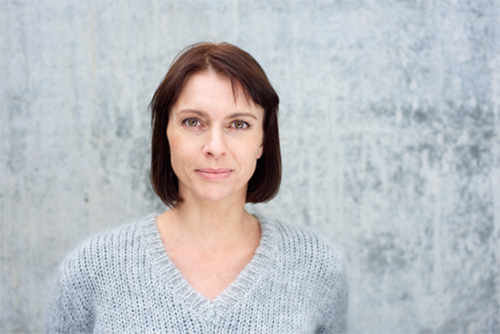



In New England as fall moves into winter and the daylight hours shrink, many women say their lives begin to change abruptly. They feel extremely tired, want to sleep and eat more, or feel sad all the time. Of course we all feel a shift as the days shorten. We tend to spend more time inside, eat heartier foods, and slow down a little. But when these changes interfere with your life, a lot more could be going on.
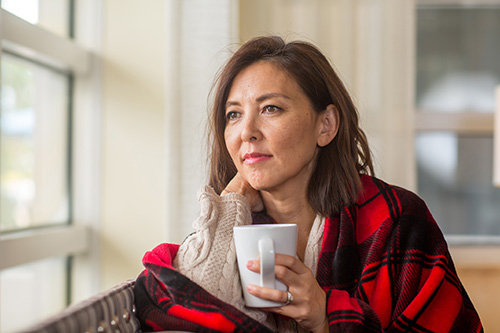
Women are expected to be upbeat and productive throughout the four seasons, but if you suffer from seasonal affective disorder (SAD), this just isn’t possible. No wonder the more casual term for SAD is the “winter blues.” About 5% of the US population experiences SAD symptoms for 40% of the year, but SAD affects women four times more than men. The most likely time for women to first notice symptoms of SAD is during their mid-20s-30s. This is about the same time as they begin to experience changes related to hormone imbalance as PMS and perimenopausal symptoms.
Whether you are diagnosed with SAD or just feel out of sorts during the winter months, you don’t have to feel gloomy every time the temperature begins to drop. Instead you can attack the underlying causes of SAD in many ways — most of which honor your biophysical needs during this time of year. Finding out what SAD really is all about can help you have a happier, healthier winter naturally.
Sadness when the seasons change
Women with SAD have recurring symptoms of major depression with a seasonal onset and subsequent remission as the days start to lengthen again. These symptoms of depression include loss of interest, insomnia, decreased energy, anxiety, poor concentration, fatigue and excessive guilt.
Typically, SAD occurs in the fall and winter, and resolves during the spring and summer. The underlying causes of SAD are not fully understood but are believed to be linked to increased melatonin, circadian phase shifts, dysfunctional serotonin synthesis, and/or genetics. We do know that, like other depressive disorders, it’s rare to have just one event lead to SAD. Instead, there are usually many factors involved.

SAD and Vitamin D
One thing to look at, especially if you suspect you have SAD, is your vitamin D level. You can assess this through a simple blood test, either on your own or through your healthcare practitioner. Many women have vitamin D deficiency, especially if they live in the northern hemisphere. The symptoms associated with low vitamin D — reduced energy, fatigue, depressed mood, and sleep irregularities — look a lot like the symptoms of seasonal affective disorder, leading us to believe this connection is stronger than we thought originally.
Vitamin D is readily manufactured in our bodies when skin is exposed to natural sunlight (UVB radiation). During the winter months, those of us who live at latitudes above 40 degrees north or south don’t receive enough light to make the appropriate conversion to vitamin D. In theory, by exposing ourselves to the sun in summer months, most of us should be capable of storing enough vitamin D to last the winter. However, because modern day life keep us indoors longer and longer, this doesn’t occur in many women.
Pink salmon, sardines and cod liver oil are good sources of vitamin D and in the US, milk is fortified with Vitamin D. However, the amount of vitamin D we get in food is not much compared to the amount we need for optimal wellness. A recent study showed that symptoms of SAD were improved with vitamin D supplementation.
Sleep, light and the changing seasons
A disruption in your natural circadian rhythm can contribute to SAD. Your circadian rhythm is a series of physical and mental behaviors that follows a 24-hour cycle. This internal rhythm is dictated by a tiny nerve cluster in your brain called the suprachiasmatic nucleus, or SCN. Under normal conditions, the SCN directs the release of hormones through light exposure. The lack of light in the fall and winter months upsets this essential process, leading to the dysfunctional release of certain hormones.
Melatonin is one of the key hormones involved in circadian rhythm and is responsible for making us sleepy. As the sun goes down, the SCN prompts the pineal gland to release melatonin. Levels peak during the darkest hours of night and decrease with the returning light of dawn.

Early or prolonged release of melatonin can disrupt sleep cycles and cause you to feel like crawling back into bed. You’ll generally stay tired throughout the day. Current literature suggests that patients with SAD have circadian phase delay. This means that when the sun goes down, the release of melatonin is delayed, which pushes the sleep cycle back, leaving you lethargic throughout the day.
Fortunately, light therapy, primarily in the morning, is effective for treating this circadian shift and subsequent symptoms of SAD. Just sitting under a reading lamp won’t do the trick. Instead, you use specific light therapy boxes, or portable, visible light sources found in most home-goods stores. They provide the appropriate light intensity needed — about 10,000 lux. Use a light therapy box in the morning for about 30 minutes (time may vary with specific brands). Most people should notice improvement of symptoms within a week of use, though some cases of SAD may take longer — and not all individuals will respond fully.
Serotonin, the “feel good” neurotransmitter plays a key role in the production of melatonin as well. Serotonin levels fluctuate throughout the seasons, reaching the lowest point during December and January. It is no wonder that we tend to approach SAD treatment in a similar way to major depression.
Keep SAD and the winter blues away — the Women’s Health Network Approach
If you suffer from severe depression symptoms, or if you’ve been diagnosed with a major depressive disorder, work closely with your healthcare practitioner to formulate a strategy that works best for you. Prescription antidepressants may be useful for some women. If you’re taking medication now, don’t abandon it without professional guidance.
When November arrives, you don’t have to dread the darker days and colder nights ahead. You can relieve your symptoms of SAD, or even resolve them for good.
There are many natural alternative treatments to try. You may need to adopt each and every one to get lasting results. Yes, this approach requires more than popping a pill, but when used carefully, these methods are safe, and may be more effective and affordable than drugs. If these recommendations seem overwhelming, just try them for two weeks. You can do anything for two weeks!
Natural relief options for SAD
-
- Get outside every day: Being outside for as little as 15 minutes a day will expose your body to the sun’s healthful rays, help you produce your own vitamin D and reconnect you with nature. If possible, move your desk or workspace near a window with natural light.
- Get vitamin D testing and supplement with vitamin D: If you suspect low vitamin D levels, work with your healthcare provider to have your blood levels tested and supplement with vitamin D as needed. Some women may need to take 2000-6000IU per day for several weeks to reach adequate levels. Amounts higher than 2000IU daily should be ordered by a health practitioner because vitamin D is toxic at very high levels. Find out more about vitamin D testing.
- Enjoy some exercise: Daily exercise is vital to your overall wellbeing if you are sad or depressed. It’s the healthiest way to increase your serotonin levels and you can start small. Try short bursts of intense activity — walking up and down the stairs or skipping rope for 1-3 minutes, four times a day, three times per week. Work up to at least 30 minutes of activity a day, 5 days per week. You can walk, swim, dance, play tag with your kids — the key is to find something you enjoy!
- Consider phototherapy: Light therapy is an effective treatment for SAD and has no known side effects when used as directed. A light box costs about $100 so it makes sense to try this natural alternative. (Tanning beds are not equivalent to light therapy and their use can actually be dangerous to your health.) Light boxes can emit some UV radiation, so get one with a UV filter or diffusing screen to protect your skin and eyes.
- Keep a regular schedule: The goal is to establish an internal rhythm that’s in sync with nature. Research has shown that people who work long hours or split shifts have an imbalance in their melatonin cycles, especially if they work at night or have limited access to sunlight. Try to go to bed and get up at the same time every day, and help yourself get at least 6-8 hours of sleep per night.

- Pay attention to what you eat: It’s important to avoid highly processed foods as they can throw our bodies out of balance nutritionally. Stick to whole foods, minimally processed, with little or no artificial ingredients. Often with SAD, your body will crave foods that quickly raise serotonin levels, such as refined carbohydrates and sugars. But these foods only set you on a cycle of ups and downs with negative effects on your mood and weight. Stick to whole grains and complex carbohydrates, and those cravings will go away.
- Take high-quality nutritional supplements: SAD affects the whole body, which means you’ll need to support all of your body’s systems. Modern farming and food processing strip food of its nutritional value, which is why everyone can benefit from taking high-quality vitamin and mineral supplements. Recent research suggests that omega-3 fatty acids can play a key role in treating depression.
The power of healing yourself
At Women’s Health Network, we believe the solution to SAD symptoms lies in treating the whole body as a single unit. Since each body has a unique set of rhythms and experiences, a “one-size-fits-all” diagnosis and treatment protocol won’t apply. SAD can have many root sources at its core, and when you listen to yourself physically, mentally and emotionally, you will find your own true answers.
J Nutr Health Aging 1999;3(1):5
Am Fam Physician. 2012 Dec 1;86(11):1037-1041.
1 Suicide and Mental Health Association International. [No date of publication listed.] SAD: Causes, symptoms, light therapy. URL: https://suicideandmentalhealthassociationinternational.org/SAD.html (accessed 03.05.2010).
2 Seasonal Affective Disorder Association. Seasonal affective disorder. URL: https://sada.org.uk/ (accessed 01.15.2007).
3 Higdon, J. 03.03.2004. Linus Pauling Institute at Oregon State University — Micronutrient Information Center: Vitamin D. URL: https://lpi.oregonstate.edu/infocenter/vitamins/vitaminD/ (accessed 01.15.2007).
4 Lansdowne, A. & Provost, S. 1998. Vitamin D3 enhances mood in healthy subjects during winter. Psychopharmocology (Berl.), 135 (4), 319–323.
Gloth, F., et al. 1999. Vitamin D vs. broad-spectrum phototherapy in the treatment of seasonal affective disorder. J. Nutr. Health Aging, 3 (1), 5–7.
5 Arendt, J. 02.01.2006. Human pineal physiology and pathology. Endotext.org. URL: https://www.endotext.org/neuroendo/neuroendo15/ch01s05.html (accessed 01.15.2007).
6 Lam, R., & Levitan, R. 2000. Pathophysiology of seasonal affective disorder: A review. J. Psych. Neurosci.,25(5), 469-480.
7 Cleveland Clinic Foundation. Seasonal affective disorder and light therapy. URL: https://www.clevelandclinic.org/health/health-
https://www.clevelandclinic.org/health/health-info/docs/1400/1484.asp?index=6412 (accessed 01.15.2007).
8 Lam & Levitan. 2000.
9 Lam, R., et al. 2006. The CAN–SAD Study: Randomized controlled trial of the effectiveness of light therapy and fluoxetine in patients with winter seasonal affective disorder. Am. J. Psychiatry, 163, 805–812.
Press Release: Light therapy and fluoxetine are equally effective for winter depression. URL: https://www.psych.org/news_room/press_releases/
https://www.psych.org/news_room/press_releases/06-26LAMAJPrelease.pdf (accessed 01.15.2007).
10 Terman, M. 2006. Evidence-Based Mental Health. Review: Light therapy is an effective treatment for seasonal affective disorder. URL: https://ebmh.bmjjournals.com/cgi/content/full/9/1/21 (accessed 01.15.2007).
Golden, R., et al. 2005. The efficacy of light therapy in the treatment of mood disorders: A review and meta-analysis of the evidence. Am. J. Psych., 162, 656–662. URL: https://ajp.psychiatryonline.org/cgi/content/abstract/162/4/656 (accessed 01.07.2007).
Ivanhoe Broadcast News 01.15.2007. SAD? Help for the Winter Blues. URL: https://www.ivanhoe.com/channels/p_channelstory.cfm?storyid=15276 (accessed 01.15.2007).
11 Carlezon, W., et al. 2005. Antidepressant-like effects of uridine and omega-3 fatty acids are potentiated by combined treatment in rats. Biol. Psychiatry, 57 (4), 343–350.
Additional Reading
Biological Psychology NewsLink. Links for keyword: Biological rhythms. URL: https://www.biopsychology.com/index.php?descType=always
https://www.biopsychology.com/index.php?descType=always&type=keyword&id=55&page=1

Relieve your
adrenal symptoms today