



We’re now almost 20 years past the Women’s Health Initiative and the fear of health implications with Hormone Replacement Therapy (HRT), and there’s new information, new research, and more attention on Bioidentical hormones. Bioidentical hormones are formulated in a lab with the same molecular structure as the hormones we make in our own bodies. They’ve gained popularity in the past few years, but many women still have questions.

In this article
- Are there natural alternatives to getting off of HRT?
- Getting natural estrogen
- Getting bioidentical progesterone
- Troubleshooting and making adjustments
- Things to avoid — combination patches or products
We hear from women who are frustrated and confused about the process of getting bioidentical hormone therapy (bHRT). Some have no access to specialty providers, and think their provider will only offer up Premarin or Prempro — which raises concerns about the health risks of synthetic hormones. Others began using bioidentical hormones, but their provider retired or relocated, or they just plain can’t afford it anymore. These women feel stuck, thinking they can’t afford the time, effort, or expense of compounded bHRT. Yet they continue to suffer with perimenopause symptoms. And that’s just not necessary, since there are so many wonderful options and alternatives available.
Looking for hormone-free relief?
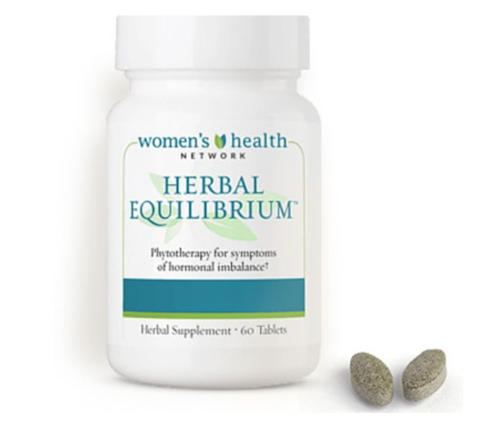
If you’re on HRT and would like to get off or if you’d like an effective herbal solution to menopause symptoms, Herbal Equilibrium can help.
Using the latest research, we formulated Herbal Equilibrium to address the ten most common symptoms of menopause. Our product includes herbs like Red Clover, Passionflower, Ashwagandha and more to help you balance estrogen, progesterone, and testosterone.
We have programs designed for women to get off HRT safely as well as programs for women interested in natural menopause relief.
Learn more about our Hormonal Health Programs.
Why is there so much confusion about bHRT?
There’s a lot of misinformation out there about the availability of different bioidentical hormone options. Many ad campaigns imply the only “real” choice for severe menopause symptoms is between synthetic HRT and antidepressants. There are blogs and websites stating bHRT is illegal or banned by the FDA (which aren’t true). There are also concerns about consistency and quality in the products made. No wonder women are confused!
First of all, bioHRT is not banned or illegal. So far the FDA has just wanted compounding pharmacies to refrain from making false claims about bHRT that have not yet been proven in studies. The FDA has approved many bHRT-based products from pharmaceutical companies, such as estradiol products and Prometrium (progesterone).
Second of all, the best way to ensure quality is by finding a trustworthy provider. You can locate a trustworthy compounding pharmacy that’s accredited through the Pharmacy Compounding Accreditation Board. The Pharmacy Compounding Accreditation Board (PCAB) is a nonprofit organization created by eight pharmacy organizations to set standards for compounding pharmacies in the United States. We also recommend you ask your healthcare practitioner about compounding pharmacies that they recommend and feel are trustworthy.
What about avoiding HRT or getting off of HRT?
There is a wealth of natural alternatives to HRT, including a huge variety of herbs, flax seed, exercise, stress reduction, and optimal nutrition that can make a huge impact when weaning off or trying to avoid HRT. In fact, we’ve created one of our Programs specifically for women who want to get off of HRT safely using these natural alternatives. Our herbal products along with diet and lifestyle changes, can help you wean off of HRT with minimal symptoms.
Natural measures work synergistically to help relieve symptoms and balance your hormones yet pose a mere fraction of the potential HRT risk. And when used alongside HRT, they allow for faster, better, and more sustainable results, often using lower hormone doses.
If bioidentical hormones are the next step
We want you to know that if you and your healthcare provider determine you need hormone replacement therapy, there is a bioidentical option that will work well for you. It may take a few tries, but you are worth the effort. Understanding some basics will help you know what to ask for.
If you’re looking for bioidentical hormone replacement therapy but don’t want or cannot access compounded bioidentical hormones, there are some simple ways to cue your practitioner toward alternative forms of hormonal support rather than synthetics. Explain that:
- you don’t want to take estrogen in conventional pill or capsule (oral) form.
- you don’t want Premarin or Prempro — conjugated equine estrogens or synthetic progesterone/progestin products — in any form.
- you’d prefer to stick with estradiol, a natural human estrogen, and Prometrium, which is bioidentical progesterone, at least to start with. (Both are available from ordinary pharmacies, and there are several popular brands of estradiol to choose from). You may also want to ask your healthcare practitioner about Bi-Est in particular, which is a combination of estriol (80%) and estradiol (20%). This combination may be safer than estradiol alone, and can be combined with bioidentical progesterone as well.
Often it is usually best to schedule a special appointment for discussing hormone therapy with your practitioner, so they allot enough time to answer all your questions — rather than try to squeeze the topic in during a physical.
There are many forms of “natural” or bioidentical HRT available. See our table of natural hormone options for bHRT for more information. All of the non-compounded, brand-name hormone preparations listed in our table are FDA-approved, legal, and available by prescription.
Getting natural estrogen
Due to the fact that Premarin is made from horse urine and has been implicated in the increased health risks seen in studies such as the WHI, there are many women looking for alternatives. This is making it easier to get bioidentical estrogen. Estradiol is bioidentical estrogen that is now readily available in many forms (see table). Estradiol is the primary biologically active estrogen that changes in menopause, and it’s the one that usually matters most for estrogen replacement.

We do suggest you avoid estradiol in the pill forms that must be swallowed. We now know that any form of estrogen taken orally, even bioidentical estrogen, can induce the liver to make more blood-clotting factors and can increase the risk of stroke. It also drives up a protein that binds up hormones over time, and can disrupt blood sugar and triglycerides as well. That means that taking oral estrogen pills of any kind can, over time, affect your body in ways that are problematic. This does not include the sublingual (under the tongue) troches (tro’-keez) or “melt” products, which pass directly into the blood stream through the thin membranes of the mouth, bypassing the GI system and liver.
The latest evidence suggests that low-dose estrogen delivered by transdermal (through the skin) methods, such as patches, creams, or sprays, can be superior and lack the negative effects associated with oral formulas. Transdermal delivery should be the first-line approach when using estrogen these days, but some conventional practitioners may not be aware of these options. Often it’s worth bringing the subject up yourself. (One important note: birth control patches such as the one sold under the name Evra are not the same as transdermal estradiol.) You should note that sometimes transdermal application can lead to dermal fatigue, a condition where the hormones can get trapped in the fatty tissue under the skin and therefore not utilized effectively by the body. Remember to talk to your healthcare practitioner about what you should be mindful of when using patches, creams and sprays transdermally.
Another good delivery options for creams and sprays is via transmucousal delivery (through the mucous membranes). I often recommend my patients apply hormone cream directly to the labia majora. This can make a huge difference in absorption and efficacy, and many times enables patients to lower their dose. Again, I recommend working with your healthcare practitioner if you are considering transmucousal delivery to ensure you are getting the right dose of hormones for you.
The FDA has approved many brands of estradiol patches for many years, and they are an option if you cannot afford to pay out of pocket and must rely on your insurance coverage as they are usually well covered by insurance (see table). Patches are not for everyone, as skin sensitivities or hot humid climates can result in irritation, but there are also gels, lotions, and even a topical spray for estradiol (see table). These forms do tend to be more costly as they’re newer, but they all deliver bioidentical estradiol through the skin.
There are also estradiol products that target the genital tissues directly, such as the vaginal or urethral tissues where they are applied or worn, without exposing the rest of your body to the hormones in the products (the exception is the brand-name vaginal ring called Femring, which does deliver a systemic dose of estradiol).
Getting bioidentical progesterone
For most women — though not all — bioidentical progesterone has a calming, mood-stabilizing effect. Synthetic progestins, on the other hand, such as medroxyprogesterone acetate (MPA) and norethindrone acetate, tend to be associated with a set of net unpleasant effects — often the actual symptoms that we are looking for relief from.
When progesterone therapy is called for, we favor the use of bioidentical forms, whether in low-dose over-the-counter creams, compounded prescription-strength preparations, such as creams, “melts” and troches, or in the sole brand-name, FDA-approved prescription-strength called Prometrium. If you are advised to go on estradiol estrogen replacement, ask about a prescription-strength oral progesterone (as in Prometrium).
If you have had a hysterectomy, you may find that a low-dose, over-the-counter progesterone cream is right for you. Other women who are post hysterectomy choose to complement their estrogen replacement therapy with botanical support, such as chasteberry, wild yam, and other herbs that mimic or complement natural progesterone, using it instead of, or in addition to, bioidentical progesterone. (Chasteberry and wild yam are two of the phytotherapeutic ingredients in our Herbal Equilibrium).
Oral progesterone doesn’t have the same risk profile as oral estrogen; it has an entirely different set of molecular actions in the body. The progesterone in Prometrium is derived in a laboratory setting from yams or soybeans, then micronized in (peanut) oil, to allow for better absorption. (If you’re allergic to peanuts, you should avoid Prometrium.) Because of its calming effects, it’s best taken at night, and taking it with a bit of food also enhances absorption.
Troubleshooting and making adjustments
As explained above, you can obtain a prescription for bioidentical hormones by requesting any one of the standard-dose, FDA-approved bHRT products. If you find that one brand of bHRT doesn’t work well for you, you can always ask to try a different one, or even a different combination.
What to avoid:
- Combination patches like Climara Pro or the CombiPatch (because it includes synthetic progestin).
- Combination pills like Prempro, Premphase, Estratest, Activella, FemHRT, and Angelia (because of risks associated with oral estrogens and synthetic hormones).
*Please note: If Prometrium is unavailable or you are allergic to it, then a combination patch is a reasonable alternative and a better choice than a combination oral formula.
Sometimes a woman does best with a brand-name form of bHRT used in combination with a compounded bioidentical cream, lotion, gel, or lozenge. For example, she might use a trademark estradiol patch each week, together with a compounded prescription-strength progesterone cream during the second half of her cycle, mixed with a small amount of testosterone. She’s unique, and so are you.
But there are situations where a bioidentical version from a compounding pharmacy is more desirable. Among these are the following situations:
- Prometrium can be costly if not covered by insurance, and a bioidentical progesterone from a compounding pharmacy can be a less expensive option. Even those practitioners who don’t normally prescribe compounded hormones may be willing to do so when cost is an issue, so be up-front with your provider if expense is a concern.
- If you are allergic or sensitive to peanuts, avoid Prometrium. A compounded peanut-free version is the only other prescription-strength option for bioidentical progesterone. (Many compounding pharmacies suspend the progesterone in olive oil instead of peanut oil).
- For a small amount of women, Prometrium taken orally is too sedating or has depressive side effects. Cutting the dose, or adjusting the time you take it, can often help. It’s also possible to insert the capsule into the vagina to be more directly absorbed, which can help eliminate these side effects (but talk to your practitioner about that alternative). Or your provider can prescribe a similarly-dosed capsule, troche, melt, or topically-applied cream.
These are all prime examples of why the service that compounding pharmacies provide is essential to our well-being.
1 Davis, P. 2008. Use of oral contraceptives and postmenopausal hormone replacement: Evidence on risk of stroke. Curr. Treat. Options Neurol., 10 (6), 468–74. URL (abstract): https://www.ncbi.nlm.nih.gov/pubmed/18990315 (accessed 02.23.2009).
Shapiro, S. 2008. Oral contraceptives, hormone therapy and cardiovascular risk. Climacteric, 11 (5), 355–363. URL: (abstract): https://www.ncbi.nlm.nih.gov/pubmed/18781479 (accessed 02.23.2009).
Grodstein, F., et al. 2008. Postmenopausal hormone therapy and stroke: Role of time since menopause and age at initiation of hormone therapy. Arch. Intern. Med., 168 (8), 861–866. URL (abstract): https://www.ncbi.nlm.nih.gov/pubmed/18443262 (accessed 02.23.2009).
2 Hedrick, R., et al. 2009. Transdermal estradiol gel 0.1% for the treatment of vasomotor symptoms in postmenopausal women. Menopause, 16 (1), 132–140. URL (abstract): https://www.ncbi.nlm.nih.gov/pubmed/18971794 (accessed 02.06.2009).
3 Sites, C. 2008. Bioidentical hormones for menopausal therapy, p. 8: Use of bioidentical progesterone. URL: https://www.medscape.com/viewarticle/571299_8 (accessed 02.09.2009).